
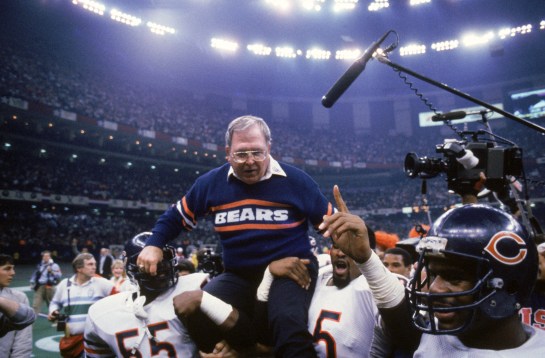
Defensive Coordinator Buddy Ryan was also carried off after Super Bowl XX.
“In this study every season’s #1 defense, record setting defenses, trend setting defenses, and every Super Bowl & NFL championship defenses dating back to 1960. The nod would lend to those post the AFL/NFL merger of 1970. That wasn’t enough as now lets take each defense and cover what they did vs Pro Bowl QBs that season, 1,000 yard rushers, and playoff teams and talk about their effectiveness along with their statistics. Here turnovers forced is a big marker. Nothing watered down so a favorite team can be given favor. So The Chancellor of Football took over 200 defenses and boiled it down to this 11 article series and this valedictorian is the culmination of that study…
This is The Chancellor of Football’s choice for the NFL’s greatest single season defense and there is a serious gap between #1 and the #2 Baltimore Ravens. We’ll cover why at the end of this article. However welcome to the perfect storm of dynamic personnel, innovative defensive tactics and an intensely focused unit. One interesting aspect of the 1985 Chicago Bears performance is they did so without ’84 All Pro Safety Todd Bell who held out that season.
This was the era of the 46 Defense of Buddy Ryan. A Nickle defense where DBs were substituted for more athletic linebackers which allowed Ryan to use it as an every down formation. He could spring it on a team at any time without substitution.
Contrary to misinformed sportswriters he had been using the defense since 1981. Considering he named the formation for the number Safety Doug Plank wore which moved him into a Linebackers position. Plank’s last full season was 1981 and was replaced by Bell in 1982.
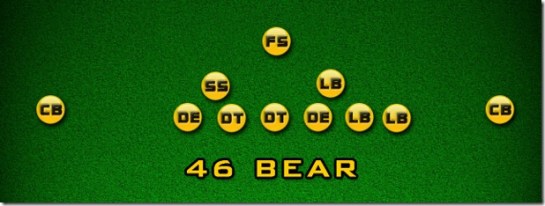
The 46 covered the Guard, Center, Guard which kept the MLB from being blocked. Furthermore if either the Center or Guard pulled, a DLineman would be in the backfield to disrupt any running play.
Although this formation gave the Bears an edge over their competition they only used it 30-40% of the time. It was the element of surprise that caught the NFL off guard. What is overlooked is how great the personnel fit every scheme Ryan used. In 1984, this group set the NFL record for sacks with 72. After he departed they set the record for fewest points allowed in 1986 yielding 187 points. It’s the season in between, 1985, that was their crowning achievement.
Take a look at a few stats:
- #1 overall ranking
- #1 against the run #3 against the pass
- #1 in turnovers w/ 54 forced
- #1 in interceptions w/ 34
- #1 in passer rating allowed w/ 51.4
- #1 in points allowed: 198 for the season
- #1 in 1st downs allowed per game: 14.8
- #1 in opp. completion percentage allowed 47.7%
- #1 in touchdowns allowed w/ 23
- #1 in rushing touchdowns allowed w/ 6
Now add to the fact they were #3 in sacks with 64, #3 against the pass giving up yardage in garbage time with blowout leads. It was the venomous way they attacked strong competition that makes this defense the valedictorian of NFL units.
Look at the competition they faced and look what they did to them. In 1985 the NFC East champion Cowboys (10-6) were trounced 44-0, the wildcard Giants (10-6) 21-0 in the playoffs, and the 10-6 Redskins slaughtered 45-10. Outscoring them 110-10 when they were the “best division in football” yikes!! Then you have the NFC West Champion LA Rams (11-5) killed 24-0 in the NFC Championship, and the last wildcard team? The defending champion San Francisco 49ers (10-5-1), who were pounded 26-10 in Candlestick. Funny thing was the 49er touchdown was a Carlton Williamson interception, so the 49er offense scored 3 at home.
* So the Bears gave up 20 points combined to the 5 best teams in their conference and avg. more than 4TDs margin of victory (31-4 avg. score)…damn! All were 10 win teams.
Then of course each division faces another division in the other conference which in the 85 Bears case was the AFC East. Thank God they didn’t play my Bills… The AFC East champion Dolphins won 38-24, but both wildcards in the AFC went to the Jets and Patriots. What happened to those teams you ask? The Jets (11-5) were clobbered in the Meadowlands 20-6 and the Patriots (11-5) twice. The Bears beat the Patriots 20-7 in week 2, then the 46-10 smashing in Super Bowl XX.
*So the only loss was to defending AFC Champion Miami & where did the Dolphins season conclude? They lost the AFC Championship at home to the Patriots where had they won there would have been a rematch with the Bears in the Super Bowl. So you could say that they were a pretty strong team…fair to say? The Bears beat EVERY playoff team in 1985 from the NFC, and faced three from the AFC…all teams had 10 wins or more and the Bears basically laughed at ’em. This is what a heavyweight champion should look like!!
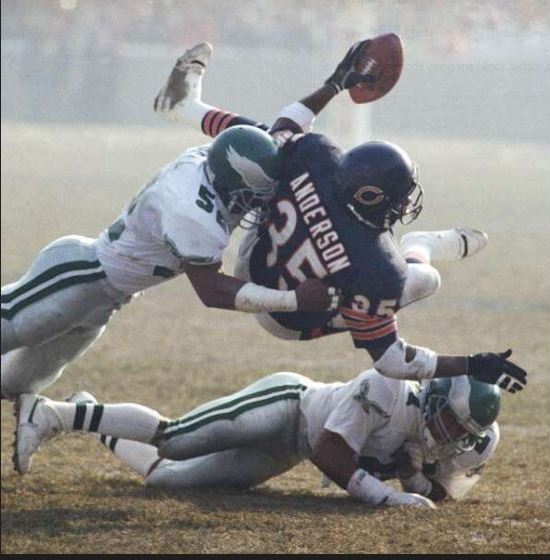
They were 4-1 against top 10 offenses and in those 4 wins held each team to less than 10 points. In fact, the ’85 Bears held 11 of their 16 opponents to less than 10 points and recorded back to back shutouts over the Falcons and Cowboys. In the playoffs they set another record not allowing a point in back to back playoff shutouts to make it to Super Bowl XX. Once there they set records for holding the Patriots to -19 yards at the half, 7 yds rushing for the game, record 7 sacks, and allowed the fewest yards in Super Bowl history with 127.
This second look shows a few plays from the 46 front look but the final play with Steve McMichael’s sack was one of the secrets of the ’85 Bears. They lined up in a 3-4 and had DE Richard Dent the rushing weakside ‘backer a la Lawrence Taylor. Ironically the 46 defense didn’t die it evolved into teams running it from 3-4 alignments and not 4-3 alignments as Buddy Ryan originated this from. If you’ve watched the Steelers over the last 15 years they have used DEs that were built like DTs and would squeeze them down to cover the Guard,Center, Guard and position an Inside Linebacker right next to the Strong side Linebacker. They just made it interchangeable in elements to surprise their opponents from time to time.
They had NFL Defensive Player of the year and Hall of Famer Mike Singeltary, All Pro Gary Fencik, Hall of Fame DEs Richard Dent and Dan Hampton. Pro Bowl Linebacker Otis Wilson and OLB Wilber Marshall who should be in the Hall of Fame.
In 2000 when the Ravens gave up 165 points and the question was raised- “Were they better than the ’85 Bears defense?” HELL NO!!! The Ravens didn’t face 1984 MVP Dan Marino, 3-time Super Bowl MVP Joe Montana, Super Bowl MVP Phil Simms, 1983 MVP Joe Theismann, and Danny White was a pro bowl quarterback as was Ken O’Brien of the Jets. ALL WERE IN THEIR PRIME! Had the 2000 Ravens seen these quarterbacks they give up another 150 points easy and wouldn’t make the mythical Super Bowl if they played the 85 Bears schedule!!
Spurgeon Wynn. Who?? Spurgeon Wynn, Tim Couch, Anthony Wright, Kent Graham, Gus Frerotte, Brian Griese, Ryan Leaf, Scott Mitchell, and Akili Smith were some of the QBs those Ravens faced so….no way do they get this nod. I loved those Ravens don’t get me wrong, but what would the ’85 Bears have given up against the 2000 Ravens schedule? That’s frightening to think about.
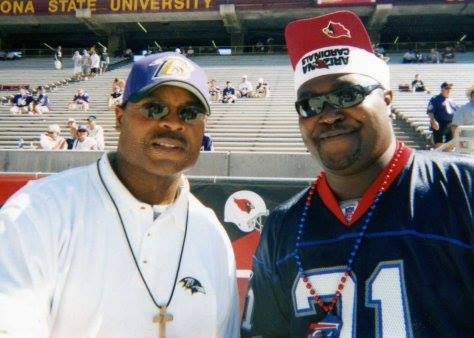
Hall of Fame linebacker Mike Singletary and The Chancellor of Football on the Ravens sideline in 2003.
The best ever defense from the historian view of The Chancellor of Football’s view was the 1985 Chicago Bears hands down. How badly they trounced sound competition has resonated for decades. In compiling this list every #1 defense from 1960 to the present was used, every championship defense, and every record setting defense with the nod going to those that played since the merger in 1970. Hundreds of defenses boiled down to the 1985 Bears sitting atop as the best.
Dedicated to the memory of James David “Buddy” Ryan (February 17, 1931 – June 28, 2016)
Thanks for reading and please share the article.

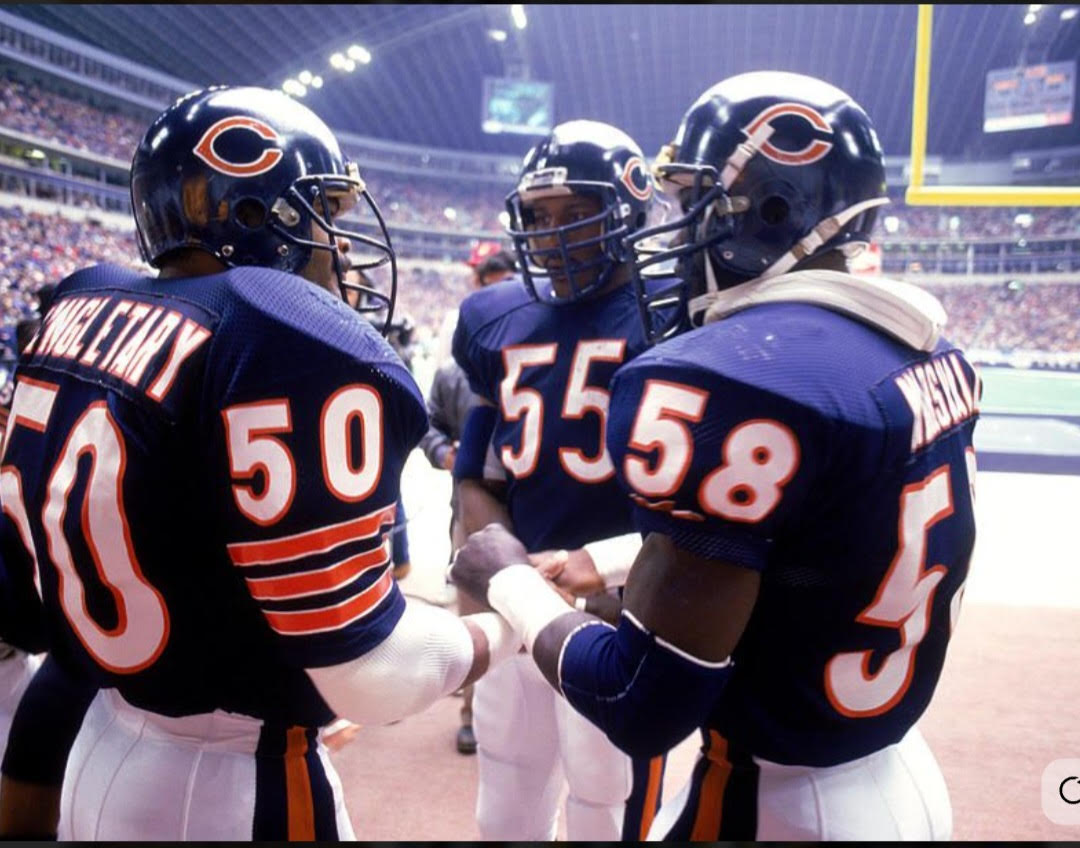
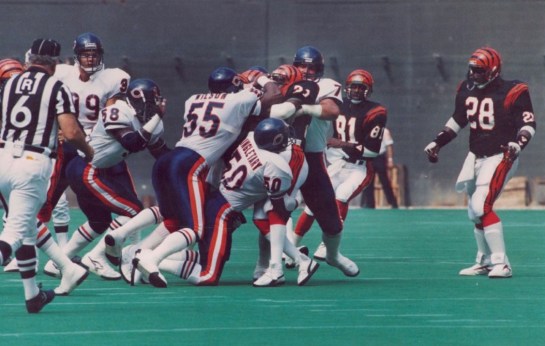 Then they pasted Boomer Esiason and the NFL’s #1 offense 44-7 on the road. By the way the Bengals were 10-6 that year and the Browns were 12-4 and played for the AFC Championship. The Bears beat them also. In fact they were 4-1 on the year vs top ten offenses.
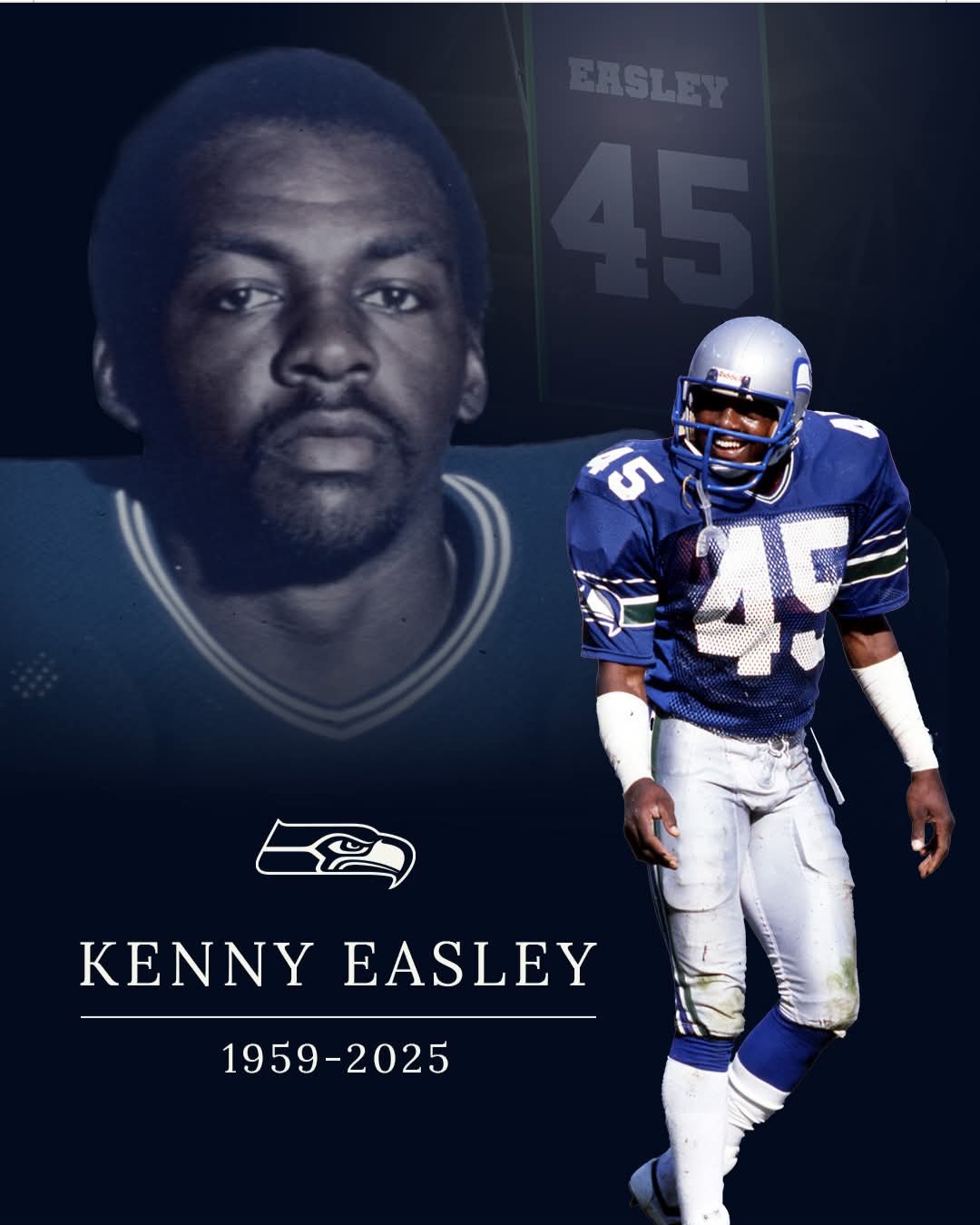

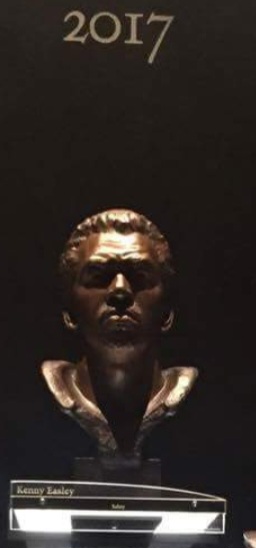 Epilogue – November 16, 2025: With Kenny’s passing yesterday we lost a true warrior who took years to get his due in the Pro Football Hall of Fame. I wanted to write an article to advocate for him but time just didn’t permit. Thank God Ronnie Lott stepped up and advocated for the player he was compared to the most coming out of their 1981 NFL draft. However I wrote this article in 2013 as I was a huge fan and wanted something to showcase how great a player he was.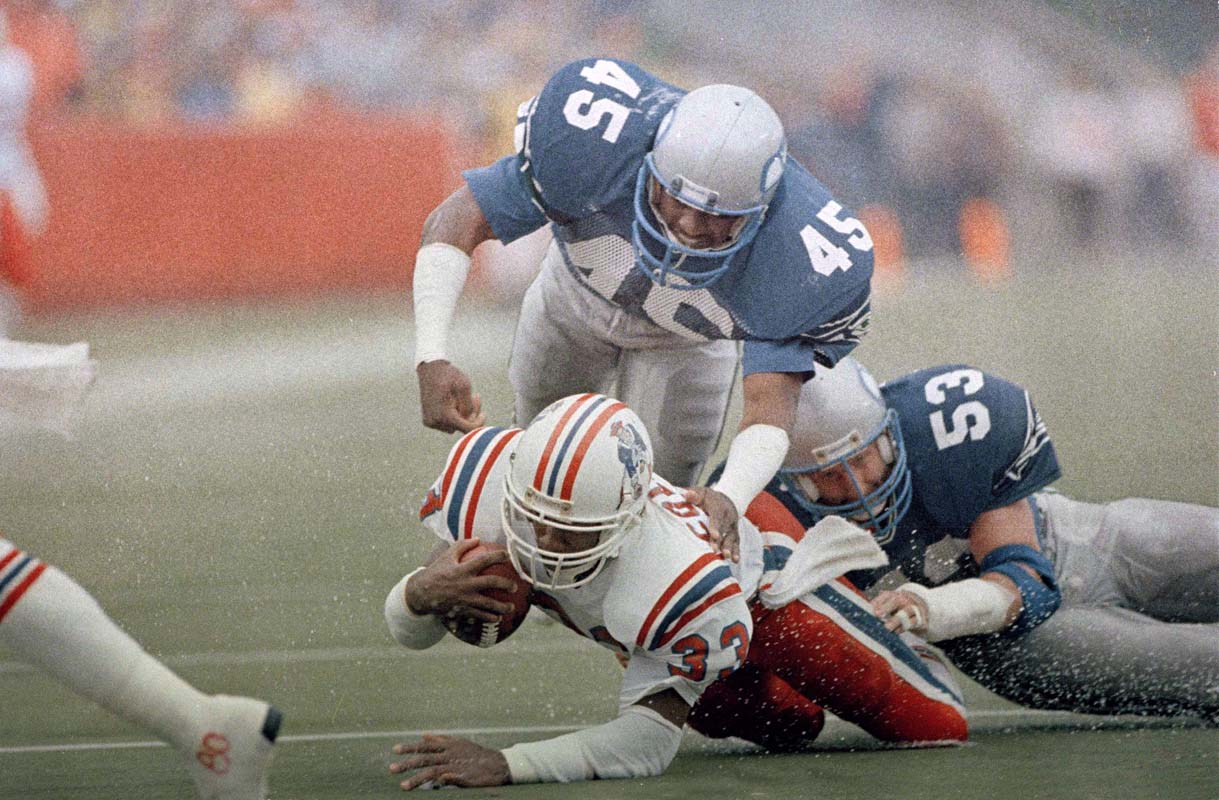

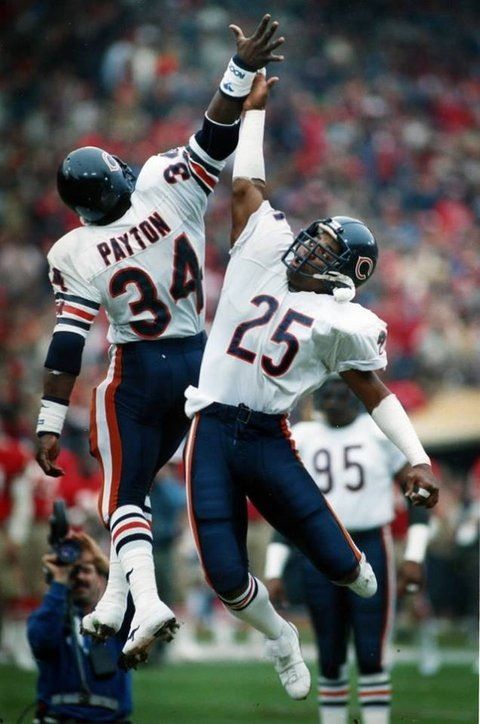 When you talk about the NFL’s greatest defenses ever, The Chancellor’s pick is the
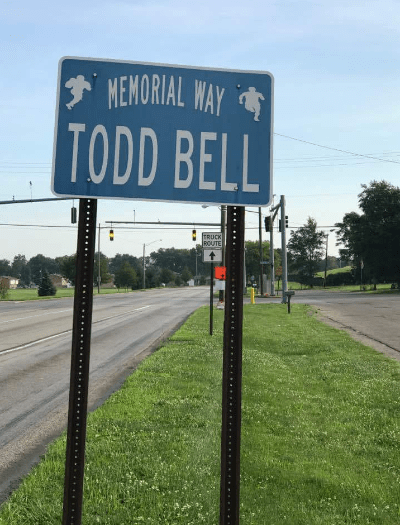 Dedicated in memory of Todd Anthony Bell: (November 28,1955 – March 16, 2005)

You must be logged in to post a comment.