Its with great sadness to hear of the passing of Hall of Fame member Chuck Bednarik. “Concrete Charlie” is a throwback, not only to a woebegone era, but one of the last living members of the Philadelphia Eagles last NFL champion from 1960. In that game he performed as the last of the two way players as he played Center and Linebacker.
Bednarik’s hit on Gifford was one of the greatest in NFL history.
In his career he made two plays iconic in not only Eagles history but NFL history. The first was in 1960 in New York when he leveled Frank Gifford of the Giants, knocking him out of football for nearly two years. The hit was instrumental in the Eagles finishing as Eastern Conference champions and the Giants going home. Philadelphia swept them as they finished first and broke the Giants string of championship appearances. The Giants played for it all in 1958, ’59, ’61, ’62, and ’63.
The 1960 NFL Championship Ring.
The second was in the ’60 NFL Championship when he stopped Jim Taylor at the 9 yard line and wouldn’t let him up as time ran out. It was the only time Vince Lombardi’s Packers lost in postseason play. It was also the last game in which a player went both ways in a championship or Super Bowl game. Don’t mention a Deion Sanders playing Cornerback and a couple plays at Receiver either. We’re talking Middle Linebacker and Center hitting on every play.
Don’t forget Bednarik was 35 years old at the time.
1949 NFL Championship Ring
Bednarik’s career spanned from 1949-1962 where he played for 2 NFL champions. His rookie year was the second of Head Coach Greasy Neale’s back to back NFL champions. He played all 14 seasons with the Philadelphia Eagles. He was a hitter and its sad to know he’s passed away today at the age of 89. I wish I would have met you and talked some football.
From time to time there are players where we wonder how their careers could have tuned out if… Those ifs come in the form of injuries, had the player had a different coach who would have utilized him more, to if they had better talent around them. Then in some cases you can have a player that is a supernova burning bright for a brief period of time. Enter Joe Morris…
Morris stiff arms Alvin Walton in the 1986 NFC Championship Game
For those of us old enough to have enjoyed decades of pro football, we still remember the era of the super back. The power and speed of an Eric Dickerson, toughness and fury of a Walter Payton, or the electrifying burst of a Tony Dorsett. Several prototypes come to mind and Morris at 5’7 190 lbs and a straight line runner, just didn’t fit any.
He was the epitome of a ball carrier. One who could only get the yardage a given play was designed for. However as New York Giant Head Coach Bill Parcells was establishing his power running game in the early 1980s, he decided to move Rob Carpenter to Fullback which inserted Morris into the line-up. Morris had more of a burst and once he gelled with the offensive line, he may have given us the best 2 year stretch of any runner in the history of the NFC East. Morris evolved into a runner.
We’ll take a look at the numbers in a second but here is a glimpse at his play in 1985:
After powering the Giants to a wildcard finish in 1985, they had bigger aspirations for 1986. Could he have an encore performance to rival his breakout 1985??
In 1985, Morris rushed for 1.336 yards and a career high 21 touchdowns. He followed that up in ’86 with 1,516 yards and 14 more trips to the endzone. When you look at the best two year period v. other great NFC East backs of his era, the numbers will surprise you.
The only two that outscored him were Riggins in ’83 and Emmitt in ’95. Ironically those are the years that each set the NFL record for touchdowns in a season. Along with Smith and Riggins, Morris powered his team to a Super Bowl win in his 2 year period. It’s also surprising he had a better two year total than OJ Anderson when he was with the Cardinals. In another ironic twist it was Anderson who replaced Morris in 1989 after Joe broke his foot. An injury that subsequently ended Joe’s career.
Morris didn’t finish with a Hall of Fame career (5,585 yds 50TDs) but he did power the ’86 Giants to their Super Bowl XXI championship. He developed into a power runner despite his size and was as good a running back the NFL had ever seen. Up until Tiki Barber, this was the New York Giants best running back and it’s worth taking a look back.
When you mention receiving records in the NFL, the name that sits a top several categories is Jerry Rice. However there have been great performances and incredible stats gathered by other receivers. What gets lost are the records that were broken by others just before Rice came into the league. One such record was set by Mark Clayton of the Miami Dolphins.
Clayton on his final touchdown romp.
You need to understand the Dolphins had played in Super Bowl XVII at the end of the 1982 season. The late David Woodley struggled in the second half of that loss completing just one pass. The following draft Don Shula moved to upgrade not only his quarterback, Dan Marino in the 1st round, but began to look to upgrade one of the league’s slowest receiving corps in the draft. Clayton was selected in the 8th round from Louisville in the same ’83 draft.
Thus began the genesis to one of the NFL’s greatest offenses. Clayton began slowly as a reserve catching just 6 passes in his rookie year. He teamed with fellow reserve WR Mark Duper to form the core of what would be Shula’s new passing game. All three played with a chip on their shoulder all year long as they assaulted defenses on a week to week basis. While Marino shattered the all time record for touchdowns thrown in a season, he was within 58 yards of Dan Fouts yardage record going into the finale vs. Dallas.
Overshadowed by the records Marino was eclipsing, Clayton entered the finale just 2 touchdowns shy of an even longer standing record. Elroy “Crazy Legs” Hirsch’s record of 17 TD receptions which had stood since 1951. He would have to do it against a Dallas Cowboy team that needed a win to make the playoffs.
Clayton had scorched the NFL’s 7th rated pass defense for 4 recpts 150 yards and 3 touchdowns. His two 4th quarter touchdowns allowed him to set the new record at 18 TD receptions. . His record stood until Rice broke it in 1987. Then Randy Moss pushed the record to 23 in 2007. In fact only Sterling Sharpe in 1994, Rice, and Moss are the only receivers to amass 18 touchdowns in a single season. Just 4 receiving seasons in 65 years.
Clayton’s 1984 season of 78 rec. 1389 yds 18 TDs was among the greatest in history. He had a good career with 5 Pro Bowl seasons, 5 – 1,000 yard seasons while finishing with 582 catches 8,974 yards and 84 touchdowns. He did leave his imprint on the game and his signature moment was his record breaking Monday Night in 1984.
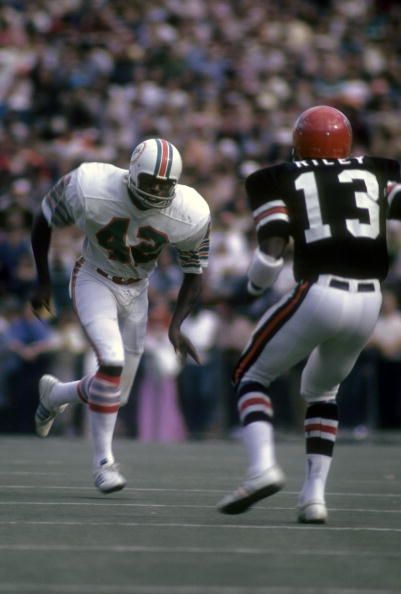
There are several teams that have their best talents go unrecognized by the Pro Football Hall of Fame. The prevailing theme that has emerged are the lack of members from franchises that haven’t won a Super Bowl or an NFL championship in their existence. Even those that compiled impressive numbers during their careers. Enter Ken Riley of the Cincinnati Bengals.
Riley was drafted by the Cincinnati Bengals in the last year of the American Football League in 1969. He teamed with fellow CB Lemar Parrish and FS Tommy Casanova to form one of the best secondaries of the 1970’s. Over a 15 year career ending in 1983, Riley intercepted 65 enemy passes. Good enough for 4th all time at the time of his retirement, and still ranks 5th just behind Rod Woodson.
A quiet player drafted out of Florida A & M, his career was overshadowed by other teammates and playing in a small market in Cincinnati. There were only so many Pro Bowl votes to go around. Many of those went to teammate Parrish with 8 who was also one of the league’s best punt returners… we’ll get back to this.
From 1974-1978 the Bengal defense ranked 4th, 2nd, 3rd, 6th, and 3rd against the pass. The “Soul Patrol” Raider secondary of Jack Tatum and George Atkinson never yielded less yards than this group. The Steelers only outranked them once in ’74, when they were ranked #1. Keep in mind in ’75 & ’76 the Steel Curtain had two of our greatest ever defenses and Cincy was better against the pass.
As for Pro Bowl voting during this time, Parrish who deserves Hall of Fame consideration in his own right, was a mainstay. However Riley was the better pass thief. Riley pirated 22 enemy passes to Parrish’s 6 during the time ’74-77. In fact you’d have to combine all their years together dating back to 1970 to get Parrish in the race with 23 interceptions. However Riley’s number balloons to 36 when you do that.
The biggest Pro Bowl snub came in 1976 when teammate Parrish made it to LA and Riley stayed home. Riley was 2nd in the league with 9 ints which were returned for 141 yards and a touchdown. Parrish and fellow AFC Pro Bowl CB Emmitt Thomas only had 2 respectively. Are you serious?? How does this happen?? Let’s take a look back…first at Riley, then his exploits in one of the finest secondaries in NFL history.
They were the best secondary of the 1970’s. Maybe it was going against Bill Walsh and what would become the “west coast offense” everyday in practice that made them great? Walsh was Cincinnati’s Offensive Coordinator at the time and had Ken Anderson who won passing championships during this time in 1974 & ’75.
What The Chancellor of Football remembers most about Riley was his flawless backpedal. He was a tactician that used the sideline as his friend and was never out of position.
Once Parrish was dealt away to the Redskins and Tommy Casanova retired to attend medical school in 1978, Riley played on in the Bengal secondary. He played through 1983 when in his 15th and final season, was 2nd in the league with 8 interceptions. Most players would have dwindling stats that late in their careers. Riley had a combined 18 interceptions in his final 3 years alone and was 1st team All Pro in his last year.
Did you know Riley never made the Pro Bowl during his career?? However he was voted All Pro in 1975, 1976, 1981, and his final season in 1983. Something has to be said about that type of sustained excellence. Of the top ten interceptors in NFL history, only he and Hall of Famer Dick Lebeau did so for the same team throughout their career. He’s the only corner to have 7 seasons with 5 or more interceptions totaling 65 over 15 years.
Keep in mind it took Darrell Green 20 years to garner 53 interceptions. Hall of Famer Deion Sanders needed 14 years to net 53 picks and Lester Hayes needed 10 years to snatch 39. None of these guys came close to matching the 18 Riley had in his final 3 seasons during their careers.
To circle back, It was interesting the sporting press and coaches made sure Riley made those 4 All Pro teams when there wasn’t space on the Pro Bowl roster. Was Riley overshadowed by Parrish being one of the league’s best punt returners? Over the years corners who starred as return men seem to have a blurring of their special teams exploits and defensive play that collect in the memory. Which could have affected Pro Bowl voting. The NFL didn’t expand to include a special teams player until the 1986 season.
Thinking out loud here…
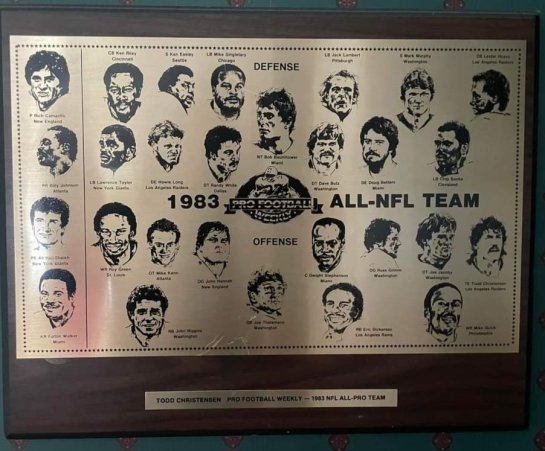
One item shared by Todd Christensen’s son Toby a few weeks back was this plauqe given to the players who made Pro Football Weekly’s All Pro Team for 1983.
When was the last time you saw an NFL cornerback finish his 15 year career as an All Pro? Check the top left… Riley and Lester Hayes.
Just like there is little footage of the Cincinnati Bengals of that era, there just isn’t a lot out there on Ken Riley. He was a great cornerback that played in a time before they expanded Pro Bowl voting to include more players. Yet you can’t take away his numbers. Aside from Hall of Famer Dick “Night Train” Lane no pure cornerback intercepted more passes.
For induction into the Pro Football Hall of Fame, I present Ken Riley.
Please write & nominate #13 Ken “The Rattler” Riley
Send letters to:
Pro Football Hall of Fame
Attention: Senior Selection Committee
2121 George Halas Dr NW, Canton,
OH 44708
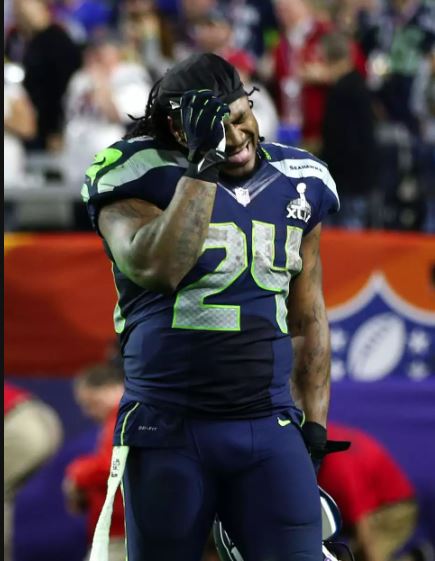
Super Bowl XLIX was a great game but the end left a lot of fans empty as Seattle opted for a pass from the 1 with seconds left to play. Immediately I railed it was the worst play call in Super Bowl history on social media. Many former NFLers agreed. So after a small hiatus my thought hadn’t changed and now it was time to revisit another classic case of overcoaching in the NFL.
First off… if anyone thinks the Seattle throwing that pass at the one yard line was the right play call, then they think Vince Lombardi called the wrong play on the final play of the Ice Bowl. Its that simple. One of his philosophies played out at the goal line during the final seconds of both the 1966 & 1967 NFL Championship Games.
Lombardi’s philosophy was in a pressure situation, players would make mistakes in Tom Landry’s complicated offense. The Cowboys had the ball at the 2 with less than 2 minutes to go down 34-27. They had momentum and had just scored on the drive previous. True to form T Jim Bokeim had a false start… remember they did a lot of shifting on the line. On the final play, which was a rollout, RG Leon Donohue ran past Packer LB Dave Robinson instead of blocking him. Robinson hurried Don Meredith into a game ending endzone interception.
The rubber match for the Ice Bowl (1967 championship) saw the reverse as the Packers were down to the 2 yard line with less than 2 minutes to go. After two plays and a final timeout, Green Bay was at the 1 with :16 left down 17-14. Where Tom Landry was heard yelling “watch Starr on the rollout”, Lombardi’s Packers went with a QB sneak to win the game. A simplified play. Years later in recalling Lombardi’s philosophy, G Jerry Kramer said “When the game or life is on the line, you don’t gamble and you put your faith in the defensive player’s chest.”
A philosophy the Seattle Seahawks had believed in until the 1 minute mark of Super Bowl XLIX. Some new age philosophies have made coaches overthink and overcoach situations lately. Ever since that Monday Night game where Brian Westbrook had that breakaway run at the end of the game against the Dallas Cowboys and slid down to run out the clock, people have been overcoaching end of game scenarios.
However I said it right after…that was the same play call the Titans went with in Super Bowl XXXIV when Mike Jones tackled Kevin Dyson at the 1 yard line also. That stacked receiver slant is 0-2 in late Super Bowl moments. Truth is they should have run the ball twice with the read option and kept it on the ground. They should have immediately run a play after Lynch made it to the 1.
Fist lets take a look at the early stages of the game when Marshawn Lynch scored to tie the game at 7.
You’ll note the first run Lynch face initial contact at the 9 ans made it to the 6 1/2 yard line. Then on the touchdown he faced initial contact at the two and powered to more than a yard into the endzone. He’s the best contact runner since Corey Dillon and he was constantly falling forward during the game.
Now we get to the fateful last plays of Super Bowl XLIX.
Had Seattle rushed to the line of scrimmage with the 1:06 left (after Lynch made it to the 1) New England may have let them score (another bone head new age move) to ensure Brady would have a chance with the football and more clock. Don’t tell me Belichick doesn’t think that way because he was lauded for his taking a late game safety against Denver 10 years ago so the Patriots would get the ball back with time and field position… Had Seattle got up and rushed to the line, New England also wouldn’t have sent in their goal line 3 corners package where Seattle would have been better suited to block. Wasn’t that why Pete Carroll said they were wasting a play??
By not rushing back to the line the Seahawks overcoached the situation. There comes a time where coaches have to drop those silly play charts and coach on guts. Lynch had gained positive yards after contact on all of his runs. Even his last carry he broke a tackle at the 4 and made it to the 1. Had they hurried and faced the same defense the next play you don’t think he scores from the 1?? That same personnel he powered through for their first touchdown and 3 yards after contact.
Bill Belichick was saving all of his timeouts and let the clock run down to :32 seconds before Seattle snapped the football.
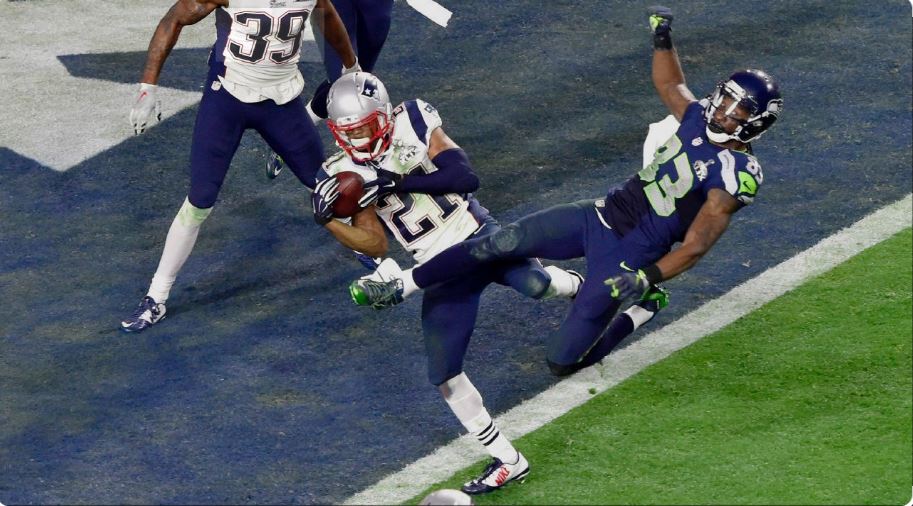
Yet alas Malcolm Butler ended the Seahawks bid for back to back Super Bowl championships. Coaches have to get back to owning each situation and score first and win the game. Don’t sit and speculate when you can or even if you will score on a later play. You just have to trust your defense. If you can think back to Super Bowl XLVI between the Patriots and the Giants, Ahmad Bradshaw tried not to score when he “accidently” fell in the endzone. Taking a 17-15 lead, the Giant defense held off Tom Brady in that one. You have to rely on your defense.
Another clear case of overcoaching and now Seattle has to let this fester as they ponder an opportunity lost. It could fuel their trip to Super Bowl L in San Francisco’s new stadium. Stay tuned…
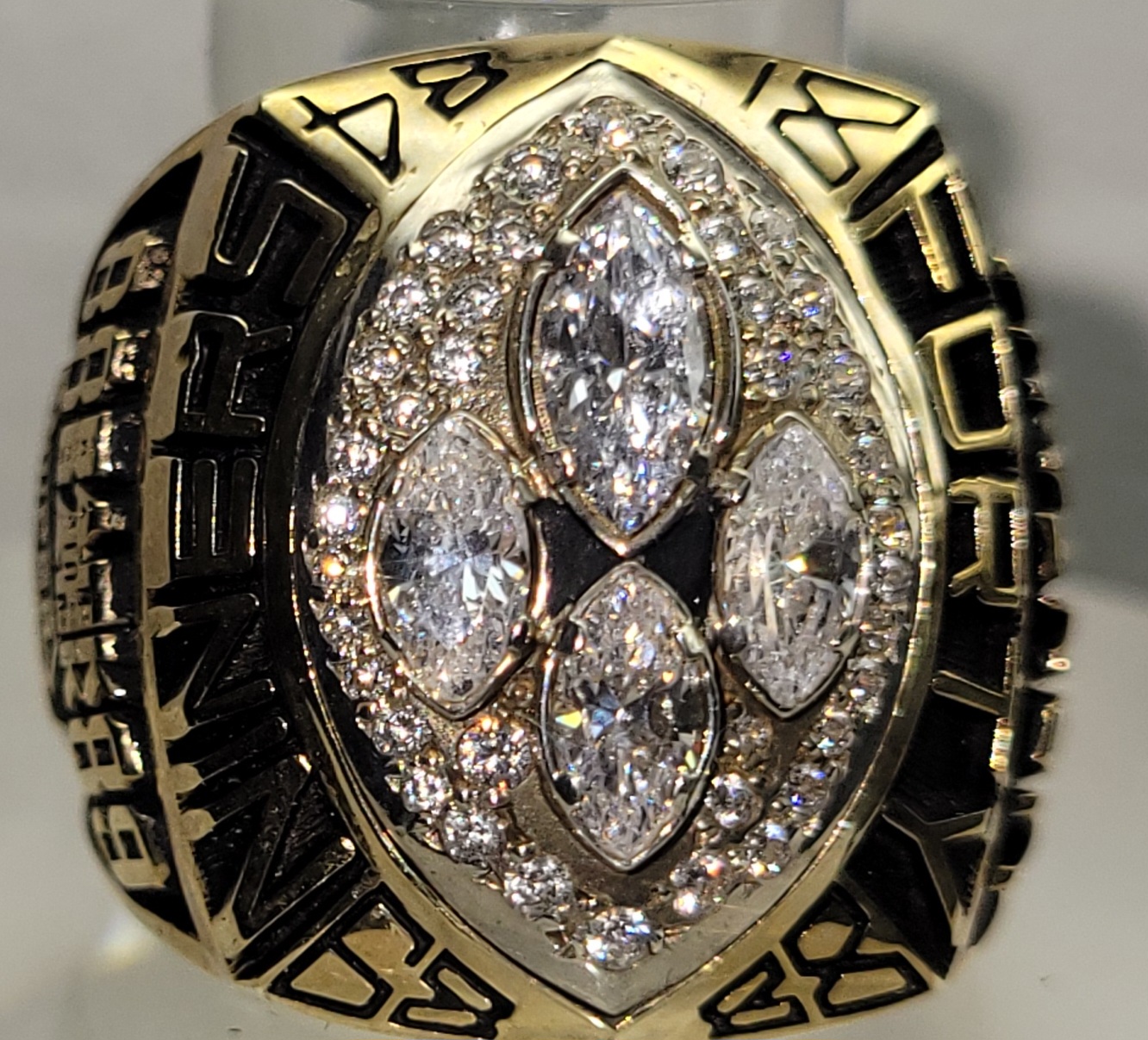
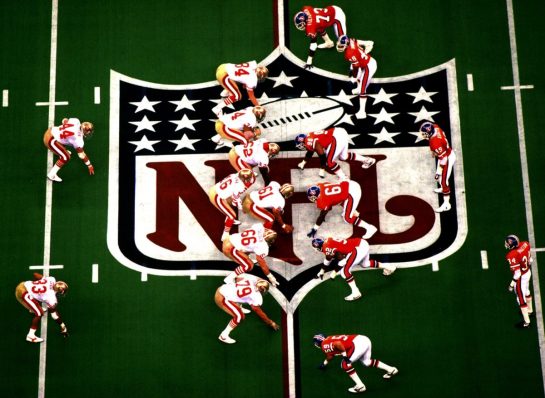
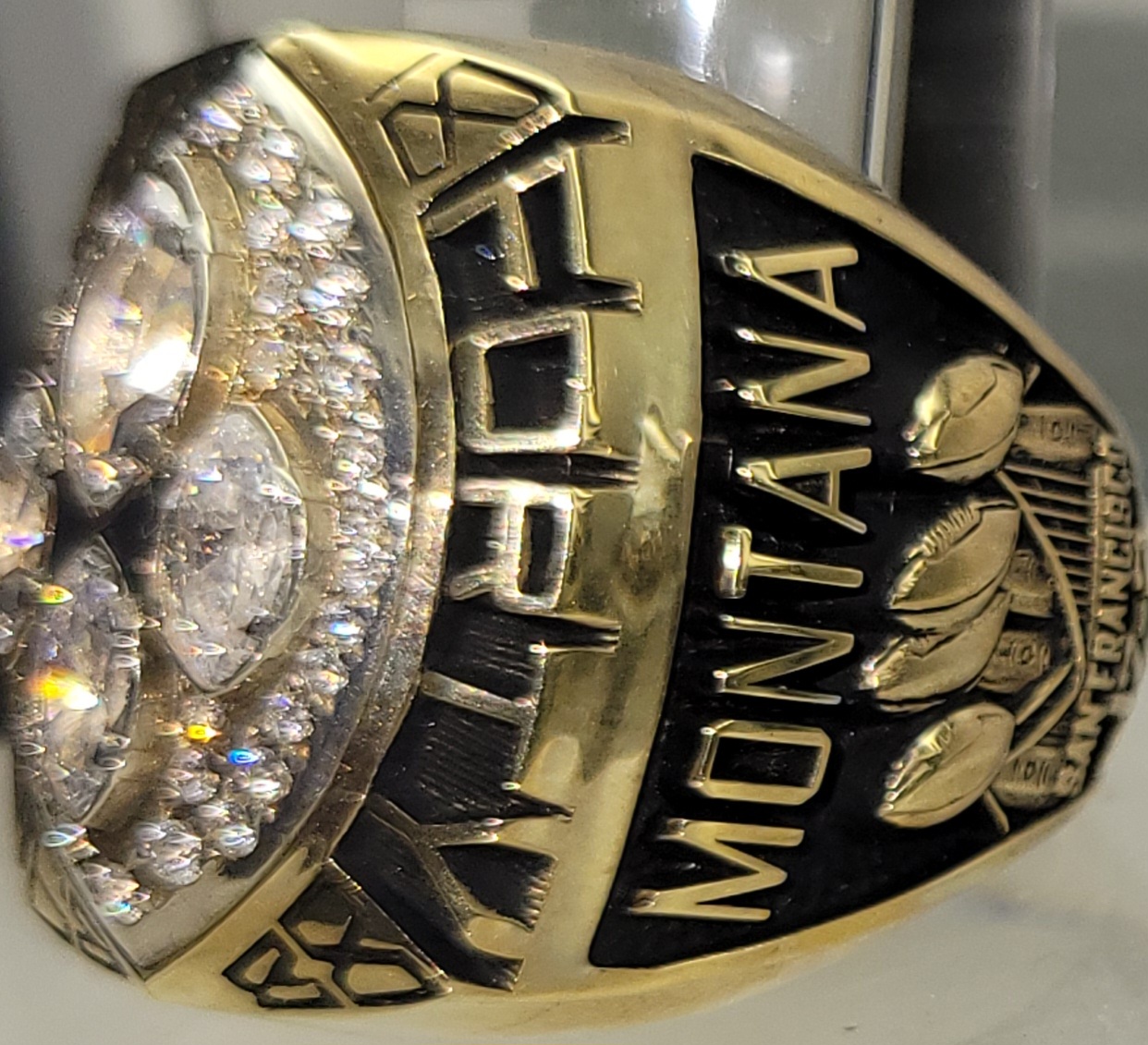
Want to hear something interesting? Going into Super Bowl XXIV, the Denver Broncos were the ONLY team in the NFL the 49ers hadn’t defeated during the 1980s. So in the last game of the decade…what happened?? Yikes 55-10 in a Super Bowl!!! Joe Montana and company could have scored 80 if they wanted to…As crisp as the 49ers played, what did their practices look like?? Damn!
The craziest thing was when Terry Bradshaw skirmished with John Elway that week about how Elway had been coddled…etc (remember Terry was roughed up by press and such as a young player) and after a back and forth, they sit down to talk about Super Bowl XXIV in a round table discussion and Bradshaw blurted out “I just don’t see Denver having a chance. This sucker could be as bad as 55-3!” Much to the chagrin of CBS brass trying to drum up interest for a game the press was touting as a blowout. Why 55? Eight tds, and a missed p.a.t.? Only 3 for the Broncos?
If Bill Romanowski hadn’t faceguarded (form of pass interference) Orson Mobley in the endzone to give the Broncos 1st and goal at the 1, Terry Bradshaw would have NAILED IT!! The Broncos needed 4 plays to score from their touhdown also…Terry Bradshaw is a dummy? Not on this prediction! Final score 55-10.
Has there been a better or more dominant run in a single postseason?? In dispatching the Vikings 41-13, Montana carved up the #1 defense that ranked 1st in sacks with 71. Joe was 17 of 24 for 241 yds and 4 touchdowns. In the NFC Championship, they faced their NFC West rival Los Angeles Rams. The Rams had been the scourge of the playoffs with their “Eagle Defense” with 2 D Linemen and 5 Linebackers.
No one could figure out Los Angeles hybrid defense as they befuddled Randall Cunningham’s Eagles and Phil Simms Giants. Well… Montana shredded them going 26 of 30 for 262 yds and 2 scores. Thanks to Craig, Rice, Taylor, and Rathman, San Francisco set a post season record with 29 first downs in a 30-3 slaughter. Don’t forget they split their games with them in the regular season. San Fran taught them the difference between post season and regular season play.
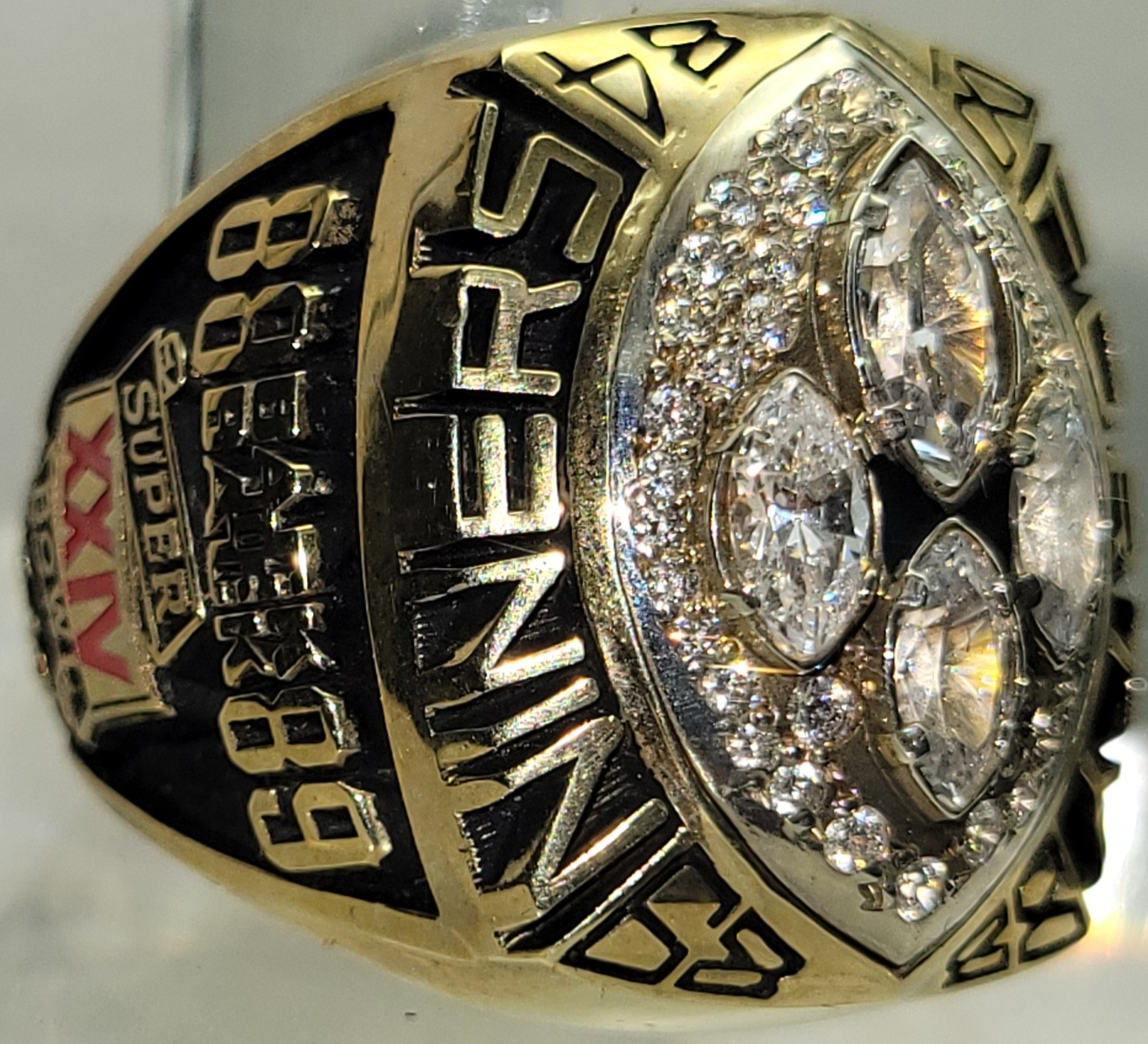
As for Super Bowl XXIV, Montana had his best ever game when it counted most. It almost seemed like a choreographed fight scene from a movie. Every move was countered perfectly. No matter what defense the Broncos were in Montana had an answer. The 1989 Denver Broncos were ranked 3rd in defense and had given up the fewest points in the NFL. Montana was 22 of 29 for 297 yards and 5 touchdowns and sat most of the 4th quarter.
The perfect game Bill Walsh had Montana strive for from the quarterback position he watched in a booth next to Eddie DeBartolo. George Seifert was the coach who witnessed it up close as the Head Coach. He riddled the #1 and #3 ranked defenses with 9 touchdowns and no interceptions. This was a coronation, not just the 49ers becoming team of the ’80s, but Montana unseasting Johnny Unitas as the NFL’s greatest ever quarterback.




 Super Bowl XLIX was a great game but the end left a lot of fans empty as Seattle opted for a pass from the 1 with seconds left to play. Immediately I railed it was the worst play call in Super Bowl history on social media. Many former NFLers agreed. So after a small hiatus my thought hadn’t changed and now it was time to revisit another classic case of overcoaching in the NFL.
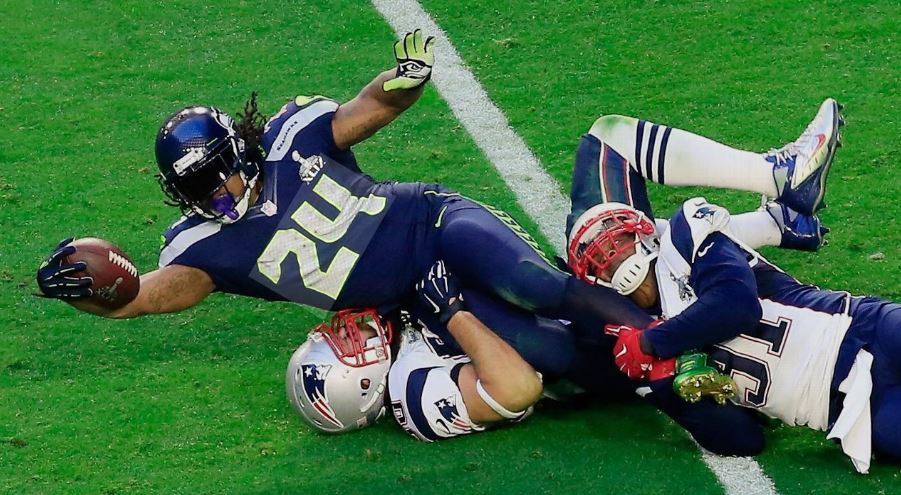 By not rushing back to the line the Seahawks overcoached the situation. There comes a time where coaches have to drop those silly play charts and coach on guts. Lynch had gained positive yards after contact on all of his runs. Even his last carry he broke a tackle at the 4 and made it to the 1. Had they hurried and faced the same defense the next play you don’t think he scores from the 1?? That same personnel he powered through for their first touchdown and 3 yards after contact.
 Thanks for reading and please share the article.
 The craziest thing was when Terry Bradshaw skirmished with John Elway that week about how Elway had been coddled…etc (remember Terry was roughed up by press and such as a young player) and after a back and forth, they sit down to talk about Super Bowl XXIV in a round table discussion and Bradshaw blurted out “I just don’t see Denver having a chance. This sucker could be as bad as 55-3!” Much to the chagrin of CBS brass trying to drum up interest for a game the press was touting as a blowout. Why 55? Eight tds, and a missed p.a.t.? Only 3 for the Broncos?
 If Bill Romanowski hadn’t faceguarded (form of pass interference) Orson Mobley in the endzone to give the Broncos 1st and goal at the 1, Terry Bradshaw would have NAILED IT!! The Broncos needed 4 plays to score from their touhdown also…Terry Bradshaw is a dummy? Not on this prediction! Final score 55-10.
 Has there been a better or more dominant run in a single postseason?? In dispatching the Vikings 41-13, Montana carved up the #1 defense that ranked 1st in sacks with 71. Joe was 17 of 24 for 241 yds and 4 touchdowns. In the NFC Championship, they faced their NFC West rival Los Angeles Rams. The Rams had been the scourge of the playoffs with their
 Thanks for reading and please share the article.

You must be logged in to post a comment.