

The name that comes to mind when it comes to quarterback – John Constantine Unitas…or Johnny Unitas. I can’t remember hearing his complete name for the first time, yes I can, it was when his presenter at the Pro Football Hall of Fame said it, but feel it needs to be brought up for the fans who need to know the greatness of this man. So glad they finished the documentary in 1999 before he passed. An old school hero. The best ever quarterback conversation has this man’s name in it. Not Peyton Manning and Tom Brady where all the rules have been changed to manufacture what looks like greatness.
At the time of Unitas retirement, he held the record for passing yards (40,239) & touchdown passes (290). He was the first NFL quarterback to throw for 3,000 yards in 1960 and once held the record for TD passes in a 12 game season with 32. In an era where the NFL game was rooted in the ground, Unitas took to the air where purists scoffed he was ruining the game. Through it all he raised quarterbacking to an art form by the way he played, his play calling ability, and field generalship in leading the Baltimore Colts. In fact, it was Unitas that invented the 2 minute drill in the most important game in NFL history…. the 1958 NFL Championship.
The ’58 NFL Championship ignited the passion for pro football for the masses as it overtook baseball for America’s heart. Lamar Hunt after this game decided to start the American Football League on the heels of this game’s popularity. A sense of irony between the AFL and Unitas’ would come to the fore later. Yet it was Unitas that became a superstar. Football had been booming with television in the 1950’s and it culminated with his championship heroics.
For an encore, when all eyes were upon him, he had his greatest season in 1959. Johnny U went 193 of 367 (52.6%) for 2,899 yards 32 touchdowns to just 14 interceptions in leading the Colts to a 2nd consecutive championship. By the way for those keeping score, this was in a 12 game season and the yardage and touchdowns were NFL records at the time. At the pace he was on, had it been a 16 game season, he would have thrown for 42 touchdowns. This was in an era where his receivers were hit everywhere on the field not just within a 5 yard contact zone. Legacy cemented.
His 47 straight games with a touchdown pass stood for nearly 50 years. After 40 of those years no one had come within 18 of that record. Drew Bees finally broke it because of all the rule changes…but if you dared to say Brees is in league with Unitas, you and I can’t talk football anymore. A final look back at his jersey retirement at Baltimore’s Memorial Stadium in 1977.
In watching the HBO documentary Unitas is where I first learned the plight of former players fighting for benefits from the NFL. When the elbow injury came up I immediately yelled out “1968!” That was the year he tore the tendons that attached the lower and upper arm, causing him to sit out the season and the late Earl Morrall played in his absence. They wound up losing Super Bowl III. Unitas wound up losing the ability to fully use the right hand that made the NFL what it is today. Not only was that a travesty but the anger that swelled in me is why I back all the former player’s groups, Footballer’s Wives, Dignity After Football, and Gridiron Greats to this day.

Sports Illustated cover featuring Johnny U.
Whenever the mantle of greatness at the quarterback position is cheaply thrown around, as a historian I bristle. What would Unitas accomplish playing in the rules set up today?? How much greater would he have become training all year around like today’s players?? What would his stats look like if he played where he could hardly be hit?? He dwarfs all quarterbacks without the changes. With them he would have left marks that quarterbacks would still be chasing.
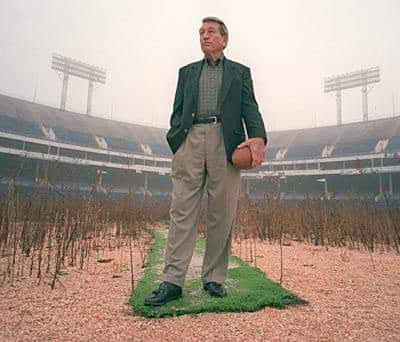
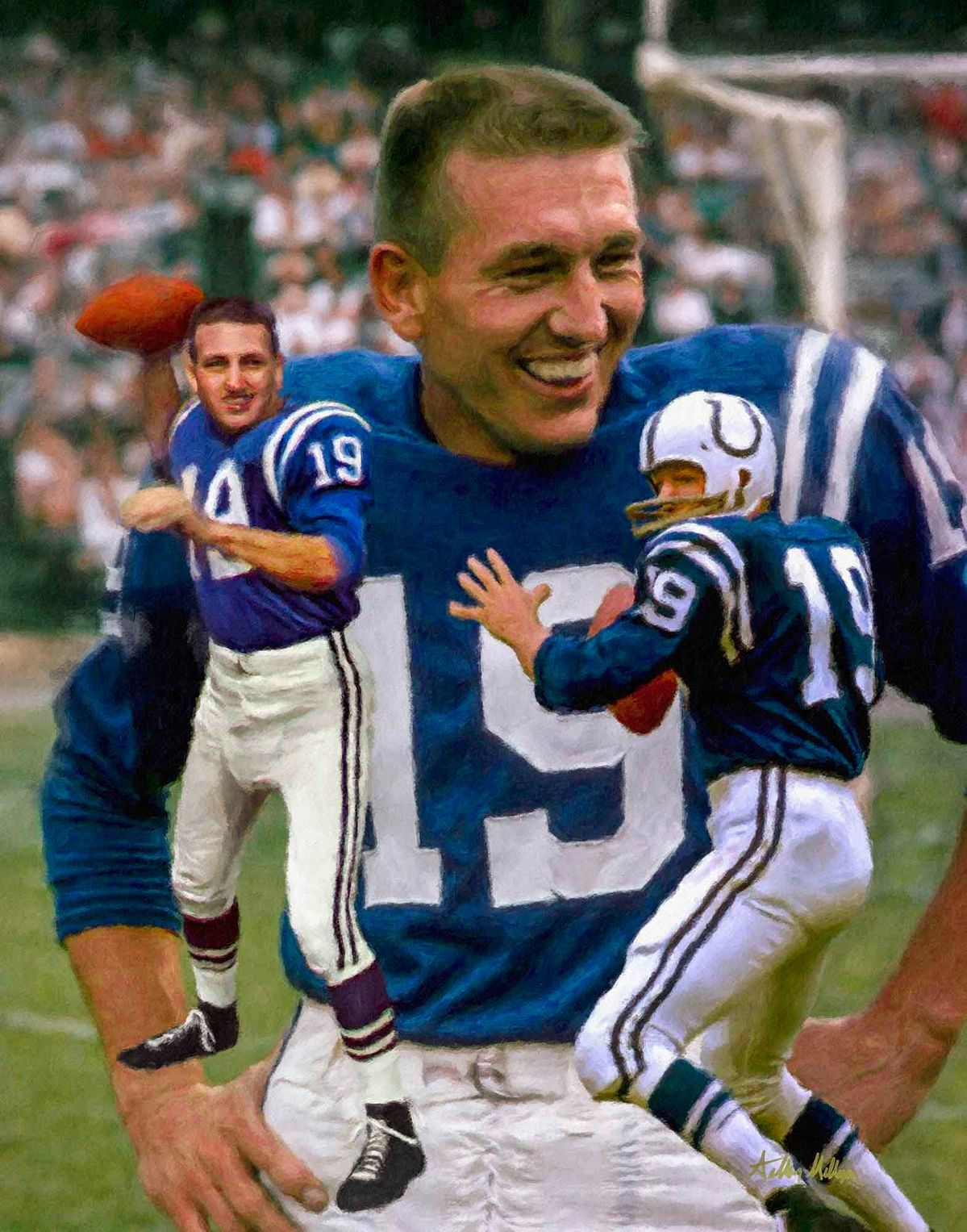
In youth as we remember him.
Unitas and his receivers, Lenny Moore, and Raymond Berry all made it into the Pro Football Hall of Fame. The next time someone mentions greatest ever quarterbacks, start with Unitas and work your way down.
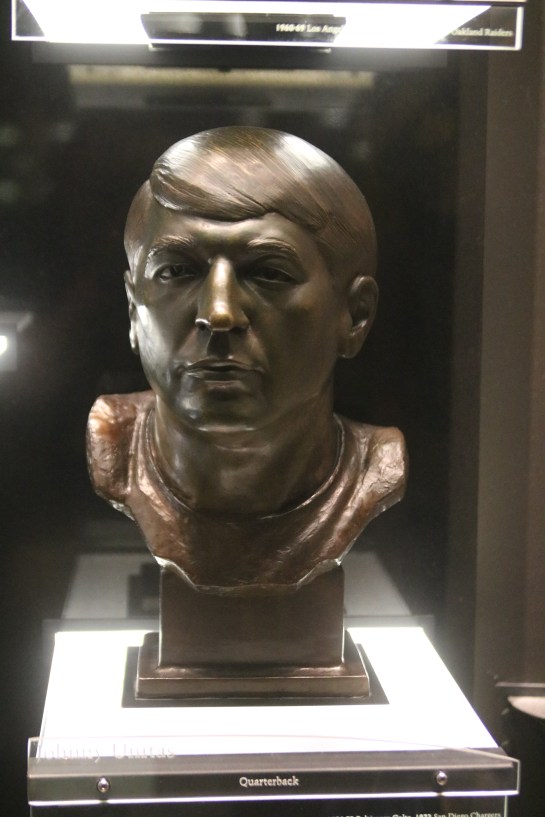 John Constantine Unitas: May 7, 1933- September 11, 2002
Thanks for reading and please share the article.

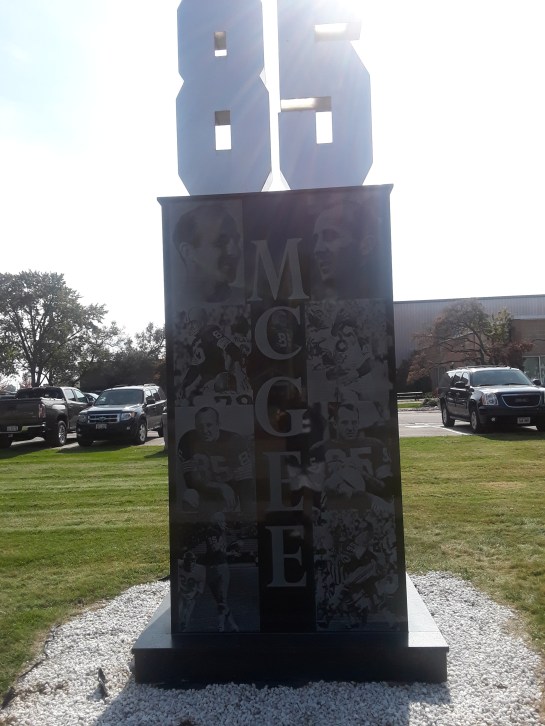
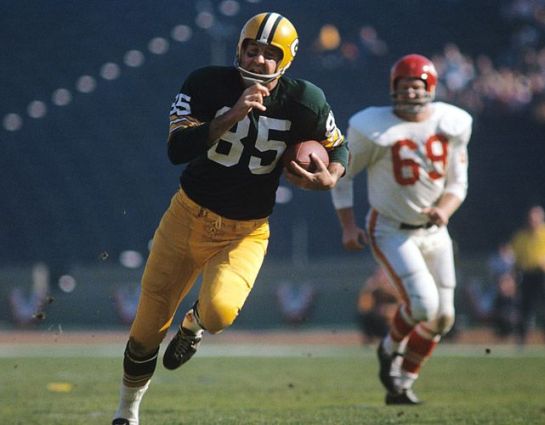 Max McGee only made one Pro Bowl although he played on 5 world championship teams. Yet even when you take a look at Packer greats you would consider on the bubble, they still stack up with the contemporaries of their time.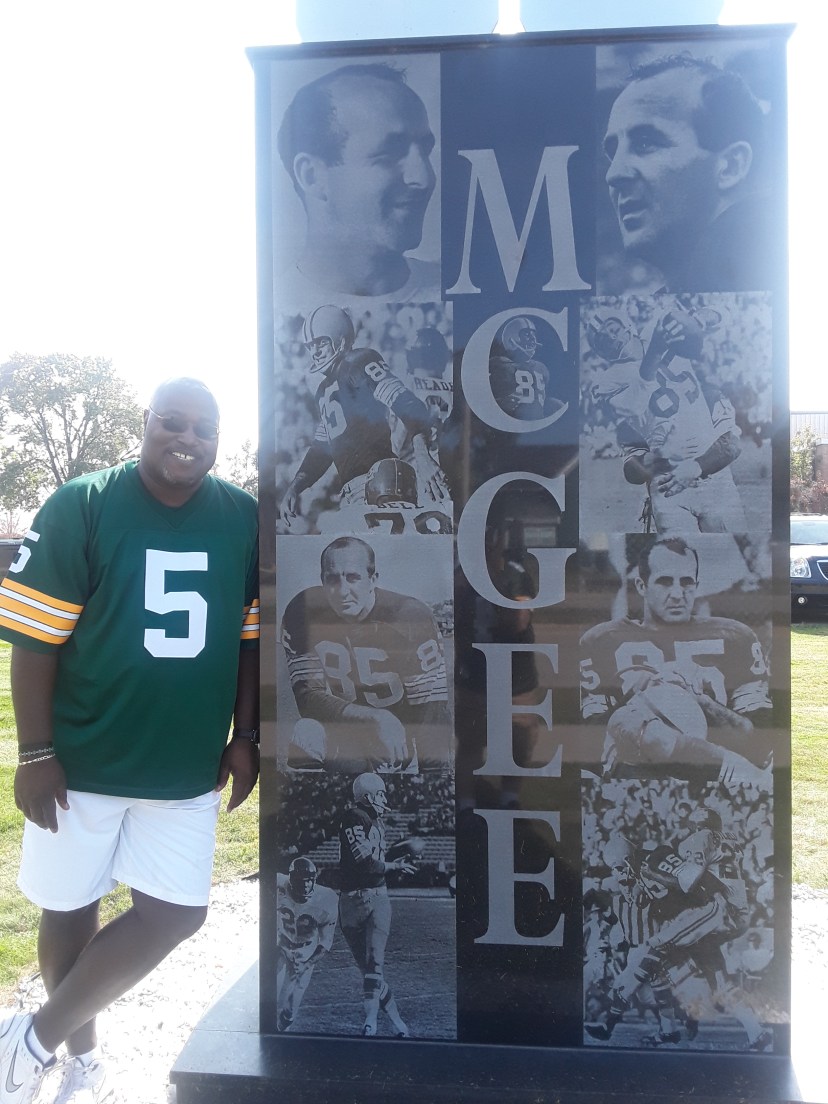


 Those 3 road playoff wins were a truly monumental effort that shouldn’t be forgotten. However the way they lost down in New Orleans obscures the accomplishments of a remarkable team. The ugly drug rumors covered by the press the week after the season tarnished the legacy of this team. In fact ILB Steve Nelson and DE Julius Adams legacies unfairly took a hit in the aftermath. Nelson who had been a 3 time Pro Bowl performer and came in 5th in the 1980 voting for NFL Defensive Player of the Year, didn’t make it back to Hawai’i in ’86 and 87.
 He did have a few injuries but with the team’s prestige taking a hit did this cost him a possible trip to Canton? He did make the Patriots Hall of Fame and it makes you stop & ask the question…
 Andre Tippett and John Hannah are the only Hall of Famers from that team. Yet Hall of Fame receiver Raymond Berry did a great coaching job in 1985.

You must be logged in to post a comment.