Legends of The Fall: Dan Marino (Reissue)

(Reissue of an article originally published 19, April 2014)

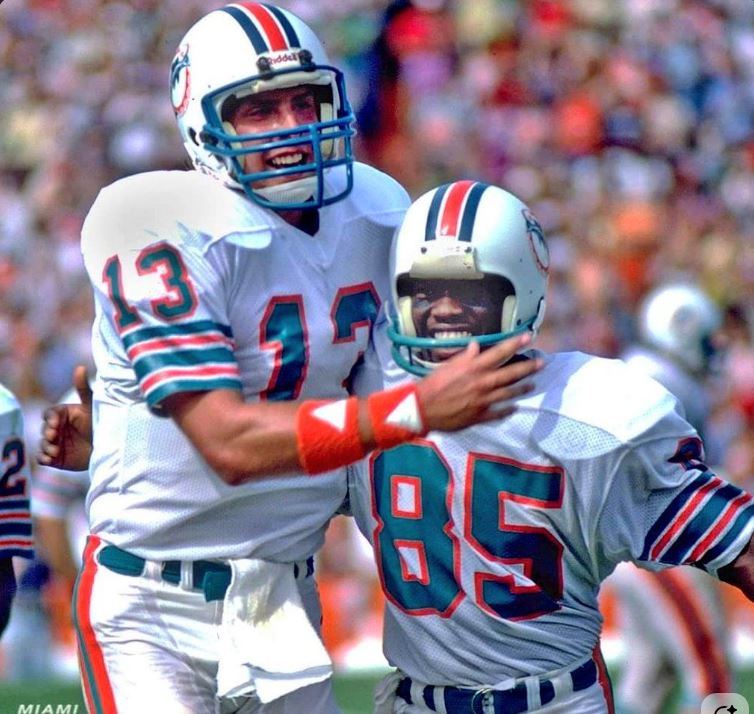
With the Netflix doc on John Elway holding sway its time to remind fans of the greatness of Dan Marino. With the sporting world overreacting to this new “ring culture” its time to provide a reminder…

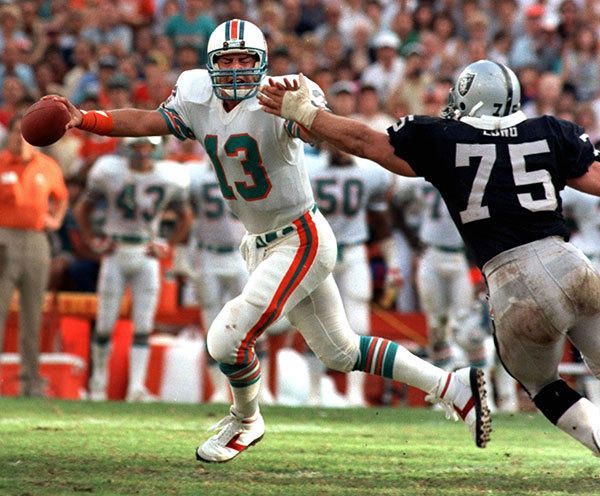
When you ask someone what their definition of a great quarterback is, you invariably wind up with several answers. The one attribute in everyone’s criteria is that of a great passer. It can be argued that Dan Marino was the best pure passer in NFL history. Everyone mentions his quick release but forgets how fiery his delivery of the football was.

To define his quick release, for the football coaching impaired, is the time it took to complete his throwing motion. The easiest way to measure this back then were to slow film down to individual frames. The average QB release would take 15 frames where Marino was routinely between 8 & 9. So the ball was coming out half a second sooner.

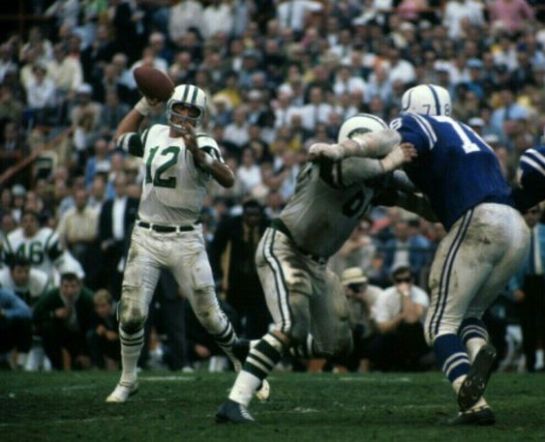
Marino's legendary release.

Marino’s legendary release.

The direct results were more passes getting downfield and less sacks. If we look at his peak years of 1984-1986, Marino was only sacked 48 times while attempting 1,754 passes. The Dolphins led the league in fewest sacks all 3 seasons. Yet through that explosive delivery was the zip and hutzpah he put on the football. For he had one of the strongest arms in league history.

Unlike Peyton Manning and Drew Brees, who had league rules altered year after year to make them record breakers, Marino came in and shattered records through sheer ability. People talk of the great class of 1983 and most want to talk about John Elway first. Oh yeah?? Take a look at something:

  • Marino ’84-’86 – 1076 of 1754 for 13,967 yards & 122 TDs
  • Elway ’84-’86 – 821 of 1489 for 9,974 yards & 59 TDs

* To match Marino’s 122 TD total you would have to have Elway’s total from 1984 to the 13th week of the 1990 season! Almost 4 more years!

During this time both Marino and Elway had taken their teams to Super Bowl XIX and XXI respectively. Of these vids, if you only watch one, watch the 1986 vignette. Yet I digress… take a look at Marino’s record breaking fast pitch 1984:

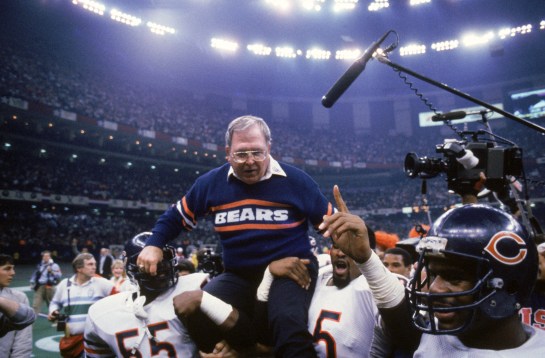
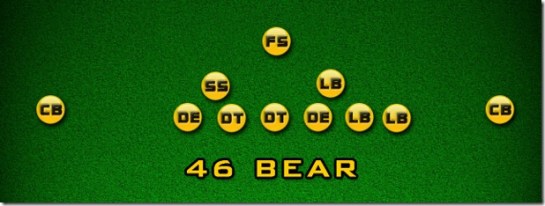
Then you have 1985 where he led the Dolphins back to the AFC Championship Game. Had they won, we would have had a rematch between Marino and Chicago’s 46 defense in Super Bowl XX. Considering Miami gave the 18-1 Bears their only defeat, its something to think about.

Then you have perhaps his greatest season in 1986:

What made his 1986 season special is he was truly all they had and teams still couldn’t stop him. In 1984 he still had many teammates who had made it to Super Bowl XVII the year before he was drafted. The Killer Bs defense was there but aging. By 1986 most of those teammates were gone as a rebuliding phase had started. Still he went 378 of 623 for 4,746 yards and 44 touchdowns. The 44 was 8 more than the previous record and he was within 56 yards of Fouts’ other mark of 4,802.

Dan Marino bust

Also because it was the second time scaling those heights. He had set the record of 5,084 yards and 48 touchdowns in his 1984 campaign. He shattered the old record of 36 touchdowns which had stood for 21 years. He did it in his first full season as a starter. Not his 7th or 8th when Manning and Brady finally topped his mark.

Or lets really bake your noodle for perspective: In 2004, Peyton Manning broke Marino’s record of 48 with 49TD tosses. If he destroyed Marino’s record to the degree Dan had in 1984, Manning would have needed to throw for 64 f’n touchdowns! Not just one more

Ultimately it was the fact that the game had passed by Don Shula as to why Marino didn’t make it back to the Super Bowl. The rest of his career the Dolphins failed to get a prime time receiver or runner. In 1995 they were the poster child for why the quick fix free agent route wasn’t the best place to build a team.

Yet when you look back at the promise of a young Dan Marino, the sky was the limit. He was definitely a legend of the fall.

Thanks for reading and please share the article. Don’t forget to subscribe!

When Pittsburgh Was The Center of The NFL’s Defensive Universe

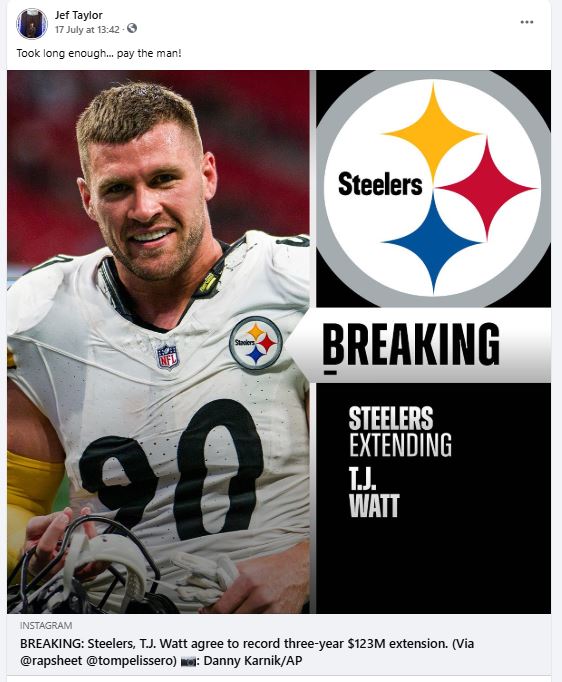
Over the last two weeks NFL pundits, including yours truly have been upset at the way the Steelers organization is playing games with TJ Watt. How can you play games with a future Hall of Famer like this? Sign him and go into the 2025 season with optimism and your defensive play maker ready to lead the charge! I joked about it on my Facebook page with a few former players when it hit me… wait a minute we’ve been here before.

Now all of us historians harken back to the great Steelers defense of the 1970’s and in particular focus on the ’74 draft where they selected 4 future Hall of Famers. Only Jack Lambert on the defense was drafted that year as FS Donnie Shell was an undrafted free agent. The Steel Curtain front four, Linebackers Ham and Russell had been assembled from 1963-74 when they broke through to win Super Bowl IX. Not one group that grew into menace from a single draft class.

Not only did this group achieve accolades but they shaped the next generation of NFL defensive excellence and the Steelers penchant for pinching pennies derailed that group also.

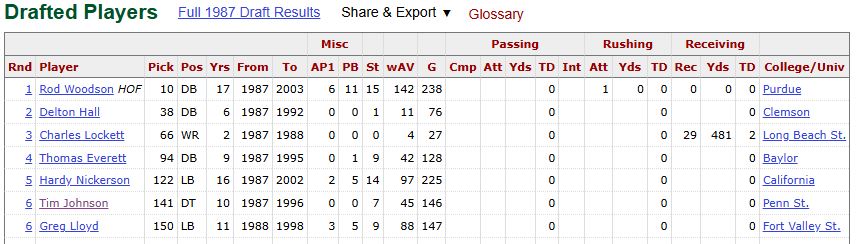
It was their 1987 draft class…. let’s set this up for you:

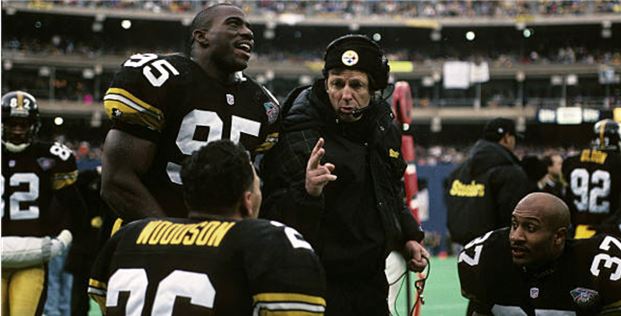
First round selection, HOF CB Rod Woodson went to 7 of his 11 Pro Bowls in the Steel City, won the 1993 NFL Defensive Player of the Year, and made the All Time 75th team in ’94. Woodson came within a few votes from back-to-back NFL Defensive Player of the Year awards & finished in the top 5 – 3 times in 4 years (1993-’96). He was one of the most physically gifted CB which allowed him to excel once he aged and moved to Safety.

Rod went to the Pro Bowl 4 times at his new position and was All Pro twice for the Baltimore Ravens & Oakland Raiders. He was one of the leaders on one of the greatest defenses in NFL history in 2000 as a mentor to Ray Lewis. A #2 defense that set the record for fewest points in a season (165) and won Super Bowl XXXV going away. Before these stays he started at CB for the ’97 49ers who ranked #3 defensively and made it to the NFC Championship Game. His 2002 Raiders played in Super Bowl XXXVII where at the age of 37, received his 11th Pro Bowl and his 8th All Pro selection after a career high 8 interceptions. In addition to Canton, Woodson was named to The NFL’s All Time 100th Anniversary Team in 2019.

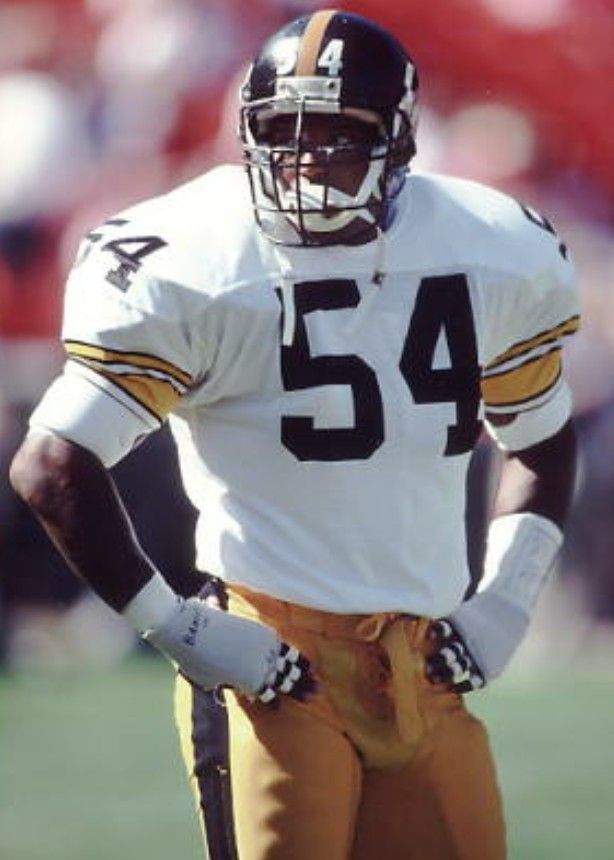
The most intimidating Steeler of them all…. Greg Lloyd

Greg Lloyd came in the 6th round & crashed the pass pocket from his OLB position making 5 straight Pro Bowls (’91-’95). They deployed him in Nickle and Dime situations both off the ball and as an edge rusher. In those 5 seasons he had 37 sacks, 27 forced fumbles and 6 interceptions in what The Chancellor believes was a Hall of Fame career. We’ll cover his total numbers later but we have to introduce everyone. Lloyd matured into the menacing face of the Steelers defense and twice was in the top 3 in NFL Defensive Player of The Year voting. Yes… at the same time as Woodson…in ’94-95.

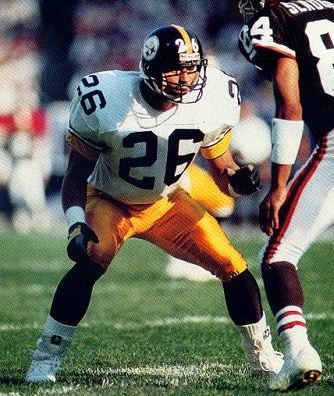
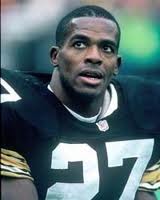
Not a bad start until you get into the frugal way the Steelers are with homegrown talent. This led to a holdout after 5 years for FS Thomas Everett who was a hard hitter in the secondary who didn’t receive the accolades nationally his teammates had but how valuable was he? The Steelers dealt him to Dallas during his holdout at the start of ’92. #27 was a 4th round selection out of Baylor. The same school that produced HOF Mike Singletary.

Now you’re thinking “wait, this isn’t greatest ever talent”… well…. going into the 1992 season the Cowboys Achilles’ heel was their secondary.  Their draft tells you that picking up SS Darren Woodson, CB Kevin Smith, and CB Clayton Holmes in the first few rounds. In 1991, Dallas had lost to 4 run and shoot teams including a 38-6 drubbing to Detroit in the divisional round of the playoffs. The biggest blowout loss of any NFC team in the 1990’s. They had some coverage issues but Everett solidified the secondary, put players in good spots and made several plays that defined the Super Bowl XXVII rout of my Buffalo Bills.  He helped turn the secondary into a team strength.

Not Charles Haley…it was Thomas Everett that pushed the Cowboys over the top back in the early 1990s.

In the 2nd quarter when Buffalo was threatening to take the lead, Dallas had a goal line stand where Buffalo went for it on 4th down from the 1. Who intercepted the ball in the end zone to totally deflate the Bills? Thomas Everett. After halftime down 28-10 and fired up to get back into the game in the 3rd quarter, who read a short route and jumped it returning an interception to Buffalo’s 10 to end the competitive phase of the game?  That same Thomas Everett!

They were 3-1 against top 10 passing offenses and rose from 17th in total defense to 1st. Their pass defense rose from 23rd to 5th in their ’92 Super Bowl winning season. Yet he made his only Pro Bowl in 1993 and made a huge play intercepting Steve Young in the 2nd quarter of the NFC Championship setting up the TD to go up 14-0 in a raucous Texas Stadium. Two years with the Cowboys and 2 Super Bowl titles before finishing his career in Tampa. So Everett did help shape NFL history with pivotal plays for The Team of the Decade in championship play. Still sleep on Everett? Watch this

Which brings us to ’87 5th round selection Hardy Nickerson… now where the underpaying Steelers for the 2nd straight year lost a defensive stalwart that wanted out. It was ’93 and free agency had come and where Pittsburgh brass didn’t value Nickerson, former Bengal Head Coach Sam Wyche who had faced him twice a year did signing him to play in Tampa. Yes the Tampa Bay Buccaneers who had just had their NFL record 10th straight season with double digit losses. Nickerson had played well like Everett and didn’t get the recognition nationally his counterparts Lloyd and Woodson had… so what did he do in Tampa?

Well… Nickerson became the centerpiece of Defensive Coordinator Floyd Peters’ 4-3 at Middle Linebacker and a terror was set loose. He became a sideline-to-sideline tracker and hit everything in sight. In ’93 he led the NFL in tackles with a leauge record 214 while making his 1st Pro Bowl and voted 1st team All Pro. It was only the 4th time a Tampa Bay defender was voted to the Pro Bowl in Hawai’i and the 2nd All Pro selection since the team’s inception in 1976.

His play was so dominant he broke the team season tackle record in a week 13 win over Chicago. There were still 3 games to go in 1993! So his 1st season ended with 214 tackles, recorded a sack, forced a fumble, recovered a fumble and had an interception.

Or think of it like this… he recorded 96 more tackles than his Hall of Fame teammate Derrick Brooks (118) recorded in ’02 when he was NFL Defensive Player of the Year. Chew on that for a second…

The Chancellor believes this spring boarded Nickerson into what was a Pro Football Hall of Fame career and shared this in a past article Nickerson for Pro Football Hall of Fame.

Nickerson went on to 4 All Pro selections and 5 Pro Bowls in 7 years and once finishing in the Top 10 in Defensive Player of The Year voting. His 4th and final All Pro & Pro Bowl selection came in ’99 when he led the NFL’s 3rd ranked defense to the NFC Championship Game. They were shutting down The Greatest Show on Turf beating them on the road 6-5 (really?) until 4:44 to go when Kurt Warner threw the winning touchdown. This was one of the greatest teams in history & Nickerson’s crew alomst kept them from Super Bowl XXXIV. In that game he had 6 tackles defensed a pass and had a timely interception.

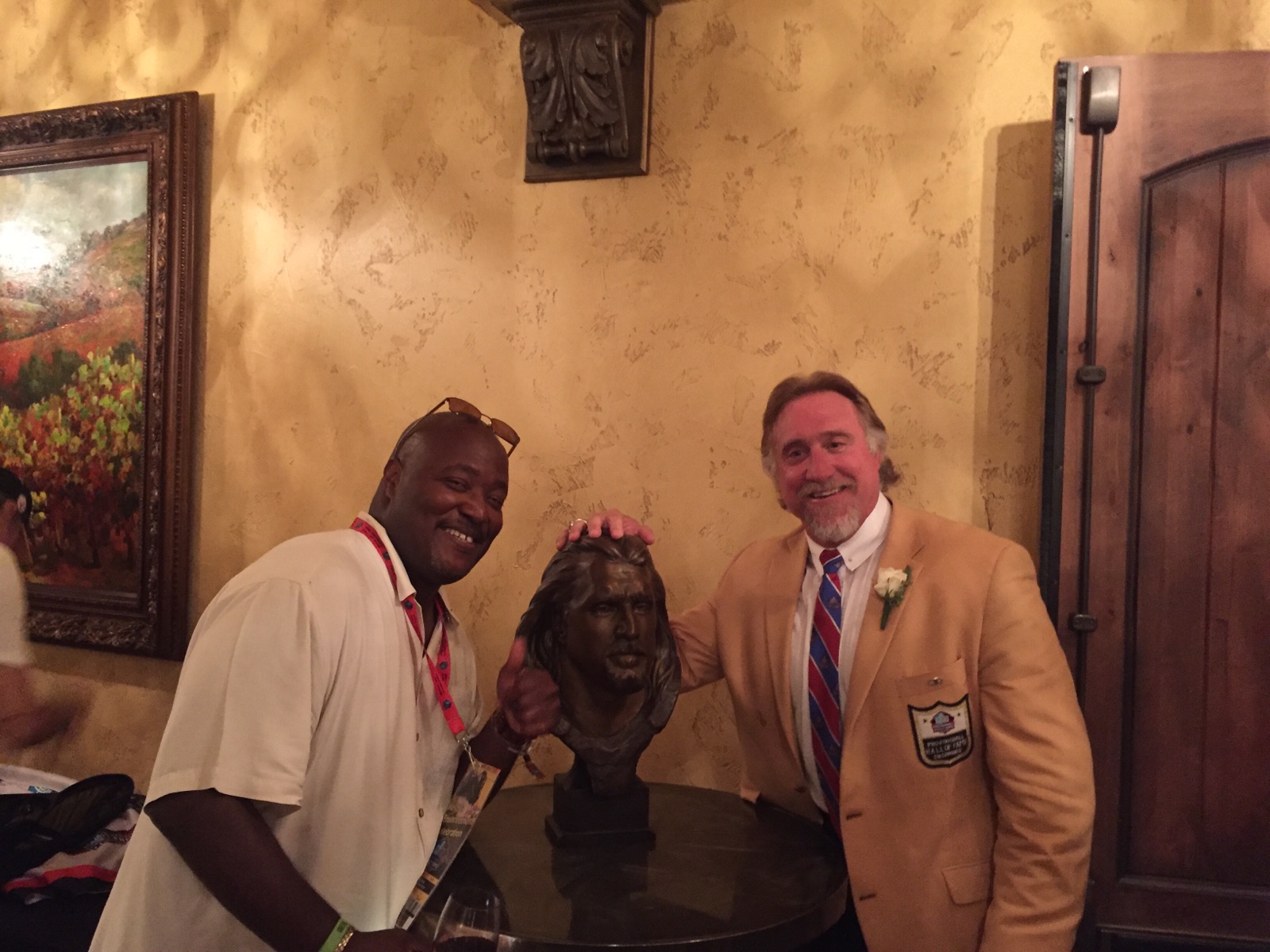
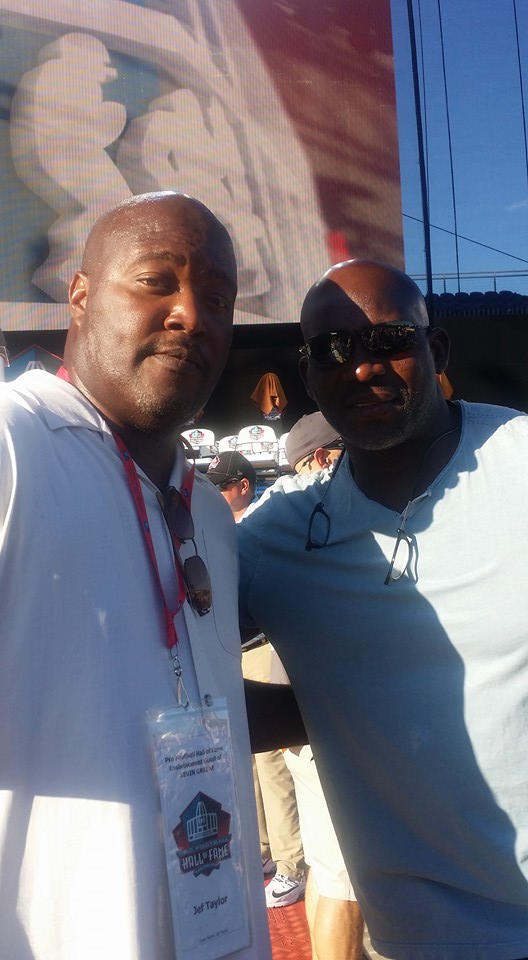
With Kevin Greene after the Induction ceremony.

Why the center of the NFL’s Defensive Universe? The Steelers frugal ways are what kept us from seeing possibly the NFL’s best array of talent on one defense. Keep in mind by 1993 they became Blitzburgh when they signed free agent and Taylor Blitz Pro Football Hall of Fame article alumnus Kevin Greene to the fold. Greene led the NFL in sacks with 14 and went on to be the NFL’s All Time sack leader for a LB with 160. He made the Pro Bowl in 2 of his 3 years in The Blast Furnace and made 1 of his 3 career All Pros there.

Then again the Steelers went cheap and let Greene go to start a younger OLB in Jason Gildon. A damn good player but not the leader that Kevin was coming off that edge across from Lloyd.

For those of you keeping score at home –

Without adding 5 time Pro Bowl/4 time All Pro Strong Safety Carnell Lake & 3-time Pro Bowl and 2 time ILB Levon Kirkland these riches read off like a Madden All Star lineup that doesn’t appear real.

Woodson, Greene, Everett, Nickerson & Lloyd combined for 27 Pro Bowls, 17 All Pro Selections & 7 Top Ten votes for NFL Defensive Player of the Year in various seasons, 2 NFL sack champion totals and 2 enshrined in Canton. Yet the Steelers went cheap and robbed football fans of what would have been one of history’s finest defenses. These players matured into menaces and spread to every corner of the NFL as trained assassins. They were supposed to be the successor to Philadelphia’s Gang Green Defense and would have ruled the 1990s just as the 70’s Steelers dominated their era.

If we add Lake & Kirkland back in these defenders had 24 conference championship appearances 8 Super Bowl appearances winning 3 rings. Anchored by the 1987 Steeler draft class… just think about it:

  • Greene led the ’96 Panthers to the NFC Championship in their 2nd year leading the league in sacks again.
  • Nickerson was the 1st piece and building block for what would become Tampa Bay’s Super Bowl defense.
  • Everett was a defensive leader on The Team of The Decade winning 2 Super Bowls in Dallas.
  • Woodson’s HOF career saw him switch to Free Safety and play on The Chancellor’s 2nd best defense in NFL history. The 2000 Baltimore Ravens


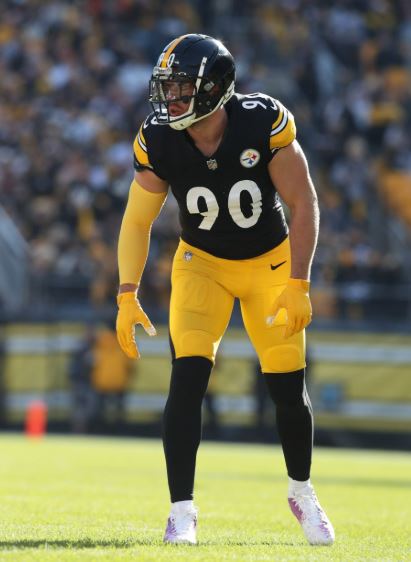
TJ coming off in Kevin’s spot.

So Steeler fans hold your breath with the Steelers playing around with TJ Watt’s contract. They’ve been known to let Hall of Fame level talent go. Do you realize none of these great players finished their careers in Pittsburgh?? Uh oh TJ… and they traded hard hitting FS Minkah Fitzpatrick last week. Sigh… and now Steeler fans are losing it since he was a no-show at minicamp. Stay tuned!


Please lend your thoughts as well by writing in to the Pro Football Hall of Fame to the address below. Please be respectful and positively lend your voice:

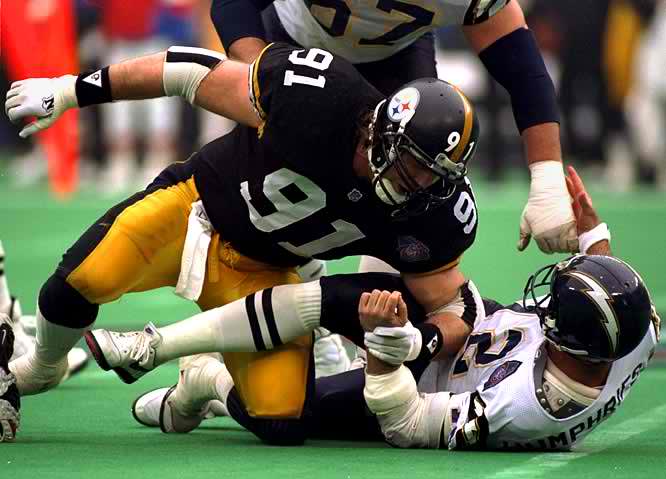
Caught up to Lloyd in Canton.

Write & nominate Hardy Nickerson /Greg Lloyd / Carnell Lake
Send letters to:
Pro Football Hall of Fame
Attention Hall of Fame Selection Committee
2121 George Halas Dr NW, Canton,
OH 44708

Thanks for reading and please share the article.

Dedicated to the memories of Bill Nunn, Chuck Noll, Sam Wyche, Kevin Greene, & Floyd Peters

We have an update on TJ Watt on the 17th of August, a week after this article, he was signed to an extension. About time!

He is a PFHoFer, don’t play around with his contract. A dangerous game.


Legend of The Fall: Weeb Ewbank

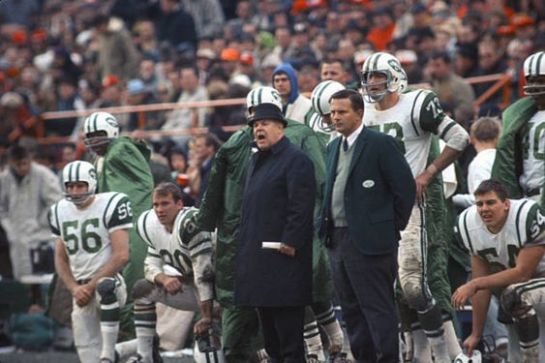
I heard on a few occassions had the Super Bowl trophy not been named after Vince Lombardi it would have been named after Tom Landry. Uhhhhhh… no. Not when George Halas won 7 NFL Championships and then there was this man…. Weeb Ewbank. If you asked who is he don’t ever try to talk football history with authority again.
Weeb won the NFL’s two biggest landmark games in league history. The 1958 NFL Championship 23-17 win when his Baltimore Colts defeated the New York Giants in the 1st overtime championship game. Then returned a decade later to defeat the 13-1 Baltimore Colts 16-7 with the New York Jets in Super Bowl III.
Weeb was fired in Baltimore and replaced by Don Shula as Head Coach. Then he was able to get revenge on his former assistant in the biggest game and upset that solidified the AFL/NFL merger.
Keep in mind his Colts went back to back winning in 58 and 59 when the media scoffed his Colts were ruining the league passing the way they did. Johnny Unitas in 59 threw for a league record 32TDs in a season then another becoming the 1st 3,000 yard passer in 1960. Joe Namath became the first to go over 4,000 yards in 1967 with his Jets. Are you getting the point??
These firsts and 3 NFL championships including a back to back set of titles…
In the annals of Pro Football very few figures held the importance Weeb Ewbank had and very few can top his impact. So the next time someone wants to talk greatest ever coaches, don’t forget the short pudgy guy with the funny hat on the sideline.
The league never would have been where it was without these two significant games. He doesn’t get his due….

Legends of The Fall: When Auburn Running Backs Ruled the NFL

In the annals of college football there was a time where USC had earned the moniker “Tailback U”. Then in the late 80s Oklahoma St churned out back to back Pro Football Hall of Famers Thurman Thomas and Barry Sanders. Yet go back another decade and you’ll have a hard time topping the talent Auburn sent to the NFL over a 10 year period.

From 1979 -1989 William Andrews, Joe Cribbs, James Brooks, Lionel “Litte Train” James, and Bo Jackson took the NFL by storm. While each touched a level of greatness during this era none would make it to the hallowed halls of Canton. Although injuries derailed 2 of these promising careers right at their zenith.

Of this list most think of Bo Jackson as the leading ground gainer who lost his prime to an injury. Not true the 1st of our super backs who had their career cut short was the punishing William Andrews. He’s the man that began this era of excellence unexpectedly as a 3rd round pick by the Atlanta Falcons in the ’79 draft.

To offer some context consider Andrews was the powerful fullback blocking for the shifty and elusive Joe Cribbs and James Brooks. In ’78 Cribbs led the Tigers with 1,278 yards while Brooks spelled him gaining 514 more. Andrews was the 3rd choice with the fewest carries at 72.

He exploded onto the NFL scene rushing for 1,023 yards in his rookie campaign in ’79. Then followed it up with back to back 1,300 yards seasons in ’80 & ’81 yet came to be known as the running back who once knocked out Hall of Fame hitter Ronnie Lott. We don’t have that hit but we do have one encounter on a Monday Night fans everywhere remember during that era…

By 1983 Andrews had supplanted Hall of Fame Member Earl Campbell as the NFL’s premier power back. His ’83 rushing total of 1,567 yards stood as a team record until Jamal Anderson broke it in 1998. He was 2nd in the league in rushing to another Hall of Famer Eric Dickerson. It was the 2nd time Andrews gained over 2,000 yards from scrimmage in 3 years. Yet he was derailed with a knee injury that shortened a potential trip to Canton.

Take a look at how lethal he was both running and receiving from 79-83.

  • 79 – 239 car. 1,023 yds 3TDs / 39 rec. 309 yds 2TDs
  • 80 – 265 car. 1,308 yds 4TDs / 51 rec. 456yds 1TD
  • 81 – 287 car. 1,301 yds 10TDs / 81 rec. 735 yds 2 TDs
  • 82 – 139 car. 573 yds 2TDs (strike shortened year)
  • 83 – 331 car. 1,562 yds 7 TDs / 59 rec. 609 yds 4TDs

Andrews was either 1st or 2nd team All Pro 4 straight years and was in the Pro Bowl as well from 80-83. Guess who joined him in Hawaii for 3 of those Pro Bowls in ’80, ’81 and ’83?? Former “War Eagle” backfield mate Joe Cribbs. Do you realize in 1980 these former backfield mates wound up the #4 (Andrews 1,308 yds) and #6 (Cribbs 1,185 yds) rushers in the NFL??

In ’80 Cribbs blossomed into the AFC’s Rookie of the Year as he was the sparkplug in the Bills 1st division championship dating back to 1966. Cribbs juked his way to 1,185 yards rushing 11 TDs while gaining another 415 yards on 52 receptions. Quite simply he was Thurman Thomas before Thurman Thomas as he was a threat out of the backfield. He tortured linebackers trying to cover him.

Check out the move on the 1st vid at the 2:32 mark when he rushes for a 16 yard TD against New England. He makes 4 unblocked Patriots miss in a phone booth… just sick…

While being a Bills fan up close, it’s hard to choose between his rookie year or his 2nd year as his best. Both years the Bills were in the playoffs and in ’81 he rushed for 1,097 yards and only 3 TDs but made up for it with 7 TD receptions and another 603 yards on 40 receptions. He flashed on big play after big play as a the Bills rose to prominence challenging the NFL’s elite.

Amazingly Cribbs and Andrews were rarely used as receivers at Auburn and they’re game fully maturing on the NFL level is what elevated both. Auburn in ’78 completed just 5 passes a game in a run heavy offense.

Ironically this was the role James Brooks also found himself as the 3rd down back in his rookie season with “Air Coryell” in ’81. Chuck Muncie was the feature back and he scored an NFL record 19TDs rushing. Brooks was the change of pace scatback who recorded 46 receptions for 329 yards and 3 TDs and had to fit in where he could. He only ran the ball 109 times for 525 yards but had a whopping 4.8 yard average.

He was the AFC’s leading punt returner in 1981 and led the NFL in kickoff return yardage in 1982… so of course you’re asking “How is that dominant at the pro level?”

With a potential contract dispute looming, he was traded to the Cincinnati Bengals in 1984. His 2nd season in the Queen City saw him improve with 929 yards rushing and 7 TDs. Out of the backfield he caught 55 aerials for 576 yards and crossed the goal line 5 more times.

Over the next 5 seasons Brooks would make the Pro Bowl as a runner 4 times while being selcted All Pro in the same seasons. He had 3 1,000 yard season and in 1988 finished with 931 yards. Had he gained another 69 he and Ickey Woods (1,066) would have been just the 4th set of 1,000 yard rushers in the same backfield in a season. Brooks and Woods powered the #1 offense to Super Bowl XXIII that year.

His 1989 season of 1,239 yards rushing was the most in Bengals history up to that point. Corey Dillon broke it in 2000. Try this vignette:

So if you’re keeping score, between 1980 and 1990, these 3 running backs accounted for 11 Pro Bowls, 11 All Pro selections, a Super Bowl appearance (Brooks XXIII) and 10 – 1,000 yard campaigns. Each saw success as the Bills and Falcons twice made it to the divisional round of the playoffs and 1 trip to the AFC Championship Game with Brooks in ’81.

While these men were killing it on the NFL level, Bo Jackson and Lionel “train” James were the new set of Auburn backs to make names for themselves. James was thought of to be too small for the NFL standing at 5’6 and 171 lbs soaking wet. Yet he would have to make a name on special teams and spot duty in the backfield.

As a rookie in ’84 James led the NFL in kick returns (49) and kick return yards (949) to prove he belonged. Of course you’re asking “How is that dominating in the NFL?” Well…then came 1985…

In a season where Roger Craig became the first 1,000/1,000 yard performer both rushing and receiving & led the NFL with 92 receptions out of the backfield. Guess who was 3rd with 86 receptions 1,027 yards and 6 TDs? “Little Train” James. He actually outgained the more celebrated Craig in yardage 1,027 – 1,016. This was an NFL record for receiving yards out of the backfield.

However by the time you add James 516 yds on 105 carries & 949 yards on 43 kickoffs, he set an NFL All Purpose Yardage record with 2,535 yards. This didn’t count another 205 yards on punt returns!

His reception yardage record didn’t fall until 1999 when Marshall Faulk broke it with 1,048. His all purpose yardage mark stood until 2000 when Derrick Mason of the Titans broke it. Do you realize James’ ’85 season still ranks 4th in history?? He’s been gone from the NFL 31 years. His last season with the Chargers was 1988.

His best game ever?? His 345 yard performance against the LA Raiders where he won it in overtime:

By the way… that was the 2nd most all purpose yardage in a game in NFL/AFL history. In a brief 5 year career… James could fly. His 1985 was so dominant that it changed the Pro Bowl voting as the following year special team kick returner was added to the vote. In 1986 Bobby Joe Edmonds of Seattle became the 1st voted in but we know who’s play created that spot. Lionel James!

Bo powering past perennial all pro Cornelius Bennett of Buffalo.

Then we finish with the Heisman winning Bo Jackson. He was so great that 30 years later we’re still watching Bo Knows in a 30 for 30 documentary of what could have been. He shocked the world when he didn’t play for Tampa who drafted him in ’85 and we know of his baseball and football exploits. When he came back to “take on another hobby” in ’87 with the Raiders, it didnt sit well with a young Chancellor. It seemed arrogant and then we saw what happened on the Monday Night in Seattle:

Yikes! Bo can do whatever the hell he wants. To watch him just dust Hall of Famer Kenny Easley who had the angle on him… I was done. Apparently so was the rest of America. For the next 4 years every football season began with “When is Bo coming over from baseball?” He had other great games but not as electric as that Monday Night.

In 1990 Bo Jackson became the 1st backup to ever make the Pro Bowl as he ran for just 698 yards and 5 TDs. League wide respect poured out over what he could do if he turned to football full time. He was an adonis with sprinter speed that made the best athletes in the world view his exploits in awe.

But alas … we never saw Bo get to full potential as he went out with a fractured and dislocated hip in a 1990 AFC divisional playoff against Cincinnati. He never played again.

“Little Train” James had knee injries slow a once promising career that lasted just 5 seasons.

None of these men will make the Pro Football Hall of Fame but each left an indelible mark on the NFL of the 1980s. They arrived on the scene and turned lesser than franchises into teams that contended for championships. What was remarkable was how complete these backs were catching the ball out of the backfield when they rarely exhibited this in college.

This was one of the great runs from one school in NFL history. Even USC’s best was really OJ Simpson and Marcus Allen. Two Hall of Famers that came out 12 years apart in ’68 and ’81 respectively. Not a series of game changing backs.

To think that 3 players out of the same ’78 Auburn Tiger backfield, Andrews, Brooks, & Cribbs would go on to produce 27,771 yards from scimmage and 162 TDs in the NFL is nothing short of brilliant. Especially with Andrews and Cribbs having brief careers.

An era of dominance to be remembered for all time.

Thanks for reading and please share the article.

Legends of The Fall: Thomas “Hollywood” Henderson

When I came up with  The Legends of The Fall, my thoughts were to remember Hall of Fame players of yesteryear, and those whose “what if” legacies due to injuries or circumstances that kept them from becoming all time greats. Yet we still talk about them because they were supernovas that burned bright in our collective mind when we think of their transcendent play. One of those players was Thomas Henderson.

Now everyone remembers Henderson as one of the most flamboyant players of the 1970’s and he was. However lost in why he was so acclaimed were the distinctions he brought to pro football many observers obscure. Not this historian…and we’re going to take you through a few today.

One of those was his becoming one of the social icons of his times as a man of the 1970’s. A black cultural icon of transcendent play, outspoken black identity, and a reach that went beyond the football field.

In 1974 the NFL instituted several rule changes, the most visible had been the goal post moved to the back of the endzone. A more subtle change was the narrowing of the hashmarks which eliminated the short side of the field as you still see in college football. This called for Outside Linebackers with greater lateral speed and range play after play to either side.

Artwork by Clarence Pointer signed by Hollywood Henderson available.

Another subtle NFL rule change in 1974 made it illegal for all but the outside players on the punt team to leave before the ball was kicked. Enter Thomas Henderson. The Cowboys second #1 draft pick in 1975 who had been discovered out of Langston by Red Hickey. It was his speed and athleticism that led to his being used to help revolutionize the game from a tactical standpoint. This gave birth to the modern gunner where Henderson was also used. His size allowed him to bull through the two DBs as he came off the ball in pursuit of the punt returner

He was a special teams standout on a veteran laden ball club that had to get him on the field. He flashed downfield to make tackles and was used on reverses. A Linebacker on reverses?? Do you remember his reverse on the opening kickoff of Super Bowl X??

It was one of the first glimpses into what he was doing down in Texas. By 1977 Henderson had become the starting OLB where his speed was on display to match with some of the NFL’s best athletes covering backs out of the backfield and covering TEs out in space. The NFL was speeding up as a sport on astroturf and Henderson was among the new breed of athletes being moved to defense.

What most pundits don’t realize is how 1 penalty altered the perception of Hollywood Henderson.

Over the next four years Henderson’s Cowboys were the best team in the NFC as they became Super Bowl champions in 1977 and repeated as NFC Champions in 1978. In those two seasons the Flex defense was ranked #1 and #2 in the NFL and going into Super Bowl XIII were ranked higher than the #3 ranked Steel Curtain. If they win they become a dynasty as back to back champions and Henderson, who had made his 1st Pro Bowl, would have been lionized instead of the team being scrutinized because of the loss.

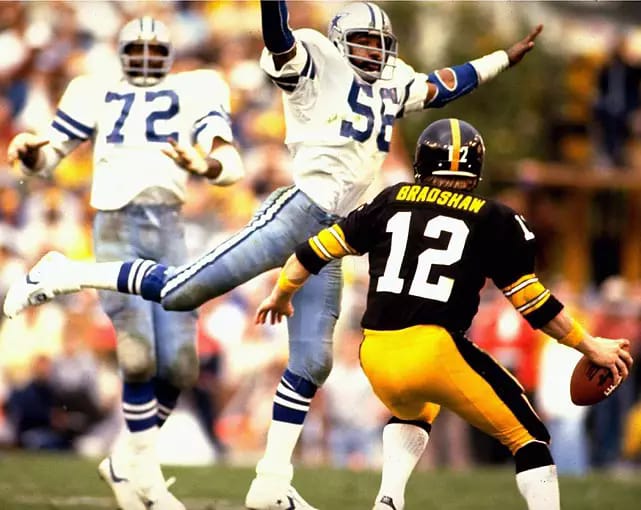
We all remember Super Bowl media day when Henderson claimed Terry Bradshaw was so dumb he couldn’t spell cat if you spotted him the “c” and the “a”. Well think back to the game. Henderson made a huge play when he sacked Bradshaw and Mike Hegman stole the ball to give the Cowboys a 14-7 lead. Their only lead of the game.

In what became known as a seesaw game it really was one the Cowboys defense had taken over. They dominated the 2nd half as Pittsburgh couldn’t move the ball. It was the bogus pass interference penalty on Benny Barnes that changed the field position and put the Steelers in scoring position at the 22 late in the 4th quarter. Then a fumbled kickoff, two quick scores and they were up 35-17 en route to a 35-31 win.

That pass interference, which is now called incidental contact and no penalty, caused Henderson and the Cowboys to be scrutinized because of the loss. He had played a tremendous game but now pundits pointed to the press conference and even an on field altercation with Franco before his 4th quarter touchdown as turning points. Great story telling but very…very inaccurate accounting of the facts.

The history books don’t tell you Dallas had set a record holding the winning team to just 75 second half yards. Nor the fact Henderson is the only person in the 51 year history of the Super Bowl to be involved in scoring plays in both the conference championship and subsequent Super Bowl on defense. In the video above when he scored against the Rams, it was the finishing touch on a 28-0 win out in Los Angeles.

That Benny Barnes pass interference penalty made the Steelers the Team of the Decade and sent 10 Steelers to the Hall of Fame and only 4 of the Cowboys from that era.
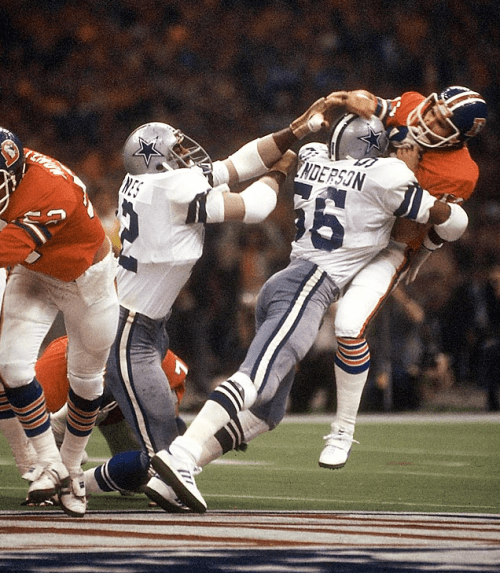
Henderson smashes into Denver QB Norris Weese in Super Bowl XII.

We know of the pressures and build up to his release in Dallas but where would he have been had they become back to back champion?? Greatest defense in history?? No one has been #1 on offense and #1 on defense and champion since his ’77 Cowboys. How much did the fallout from Super Bowl XIII lead to his dismissal in Dallas??

Keep in mind Tom Landry in his A Football Life episode said on stage had he handled the situation with Henderson differently we could have won 6 or 7 Super Bowls. Dallas went on to lose the ’80, ’81, & ’82 NFC Championships without him. When you look back at those losses Dallas didn’t have a defensive playmaker on the field. Not like they had in 1977 and 1978. In fact he would have been in his prime going into his 6th, 7th, and 8th seasons. Lawrence Taylor & Bruce Smith recorded defensive player of the year honors in that 6th season.

Would Joe Montana have all that time to scramble to the sideline and find Dwight Clark with The Catch in the 81 NFC Championship had Hollywood been chasing him??
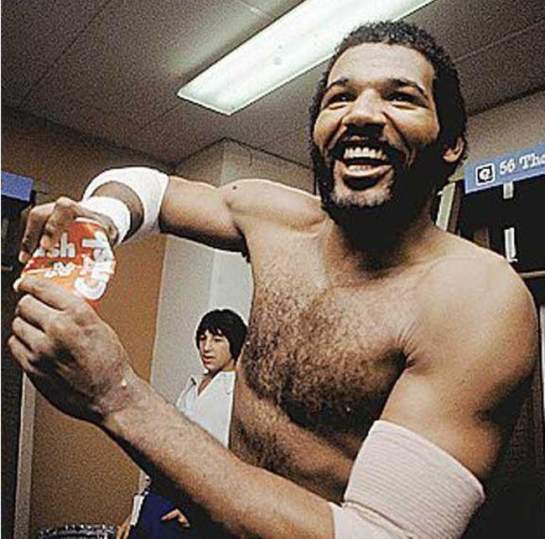
henderson.crush

I’m still mad at him for this…he ruined 2nd grade for a kid in Denver.

Henderson was still in the NFL…just not in Dallas where they would have featured him. What could have been?

Epilogue: Last Saturday on February 10, 2018, Thomas Henderson was inducted into the Black College Football Hall of Fame. An incredible honor. If you think I was waxing hyperbole when I opined he would have made the Pro Football Hall of Fame had his career stayed on the same arc…guess where the BCFHOF is moving to?? Try Canton, Ohio inside the Pro Football Hall of Fame.
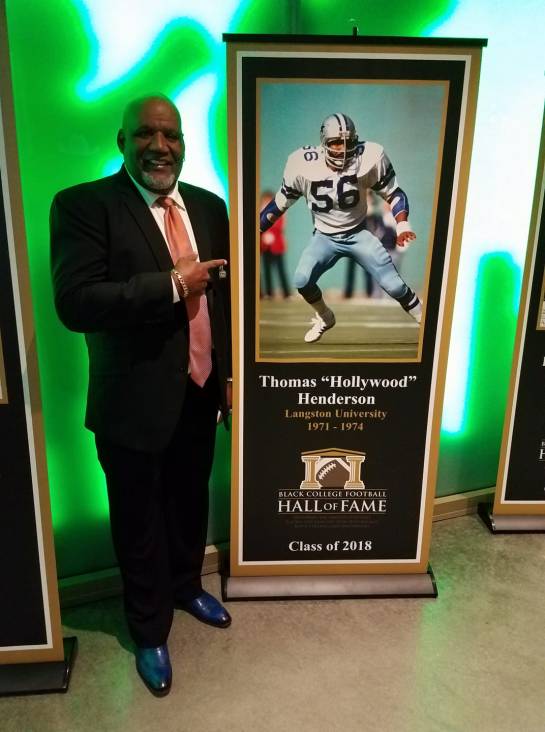
hollywood.hall

Congratulations on your induction Thomas Henderson!! A supernova! A Hall of Famer!
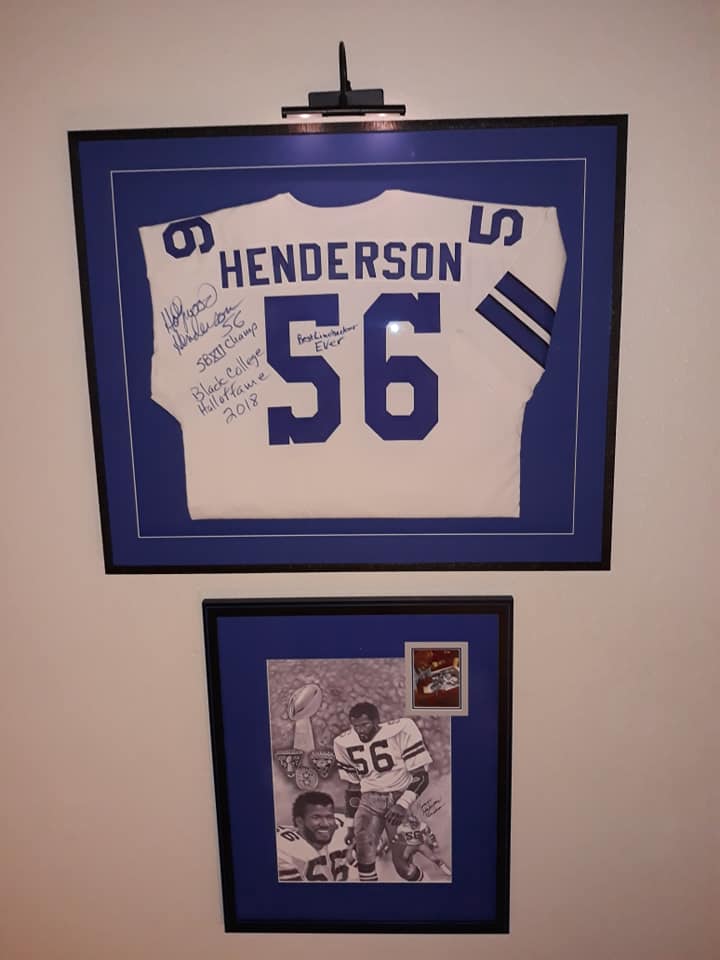
 

Thanks for reading and please share the article. hollywood.chancellor

Legends Of The Fall: YA Tittle

One of the earliest stories I read in my formative years learning about the NFL was on YA Tittle. A member of the Pro Football Hall of Fame, he was celebrated for his effort in trying to obtain an NFL title but never did.

He was a part of the legendary Million Dollar Backfield in San Francisco where he teamed with Hugh McElhenny, Joe “The Jet” Perry, and John Henry Johnson. The first complete backfield to make the Hall of Fame ad we’re talking all four players.

Tittle quarterbacked the San Francisco 49ers throughout the 1950s but couldn’t overcome the Los Angeles Rams and the Detroit Lions in the Western Conference to play in the NFL Championship game. The most glaring was the 1957 season where they finished 8-4 and in a tie with the Lions. Detroit was the vanguard of the West having played in 3 title games in the previous 5 years, winning 2. Tittle had a career year completing 63% of his passes while throwing for 2,157 yards and 13 TDs on the season. He also rushed for 220 yards and 6 scores.

Tittle as a member of The Million Dollar Backfield.

Hosting the playoff game with Detroit in old Kezar Stadium, Tittle and the 49ers took a commanding 27-7 lead in the 3rd quarter. In many accounts the 49ers thought the game was over. They became victims as the Lions roared back to win 31-27. Over the next few years the Baltimore Colts emerged as the best of the west and the 49ers were broken up.

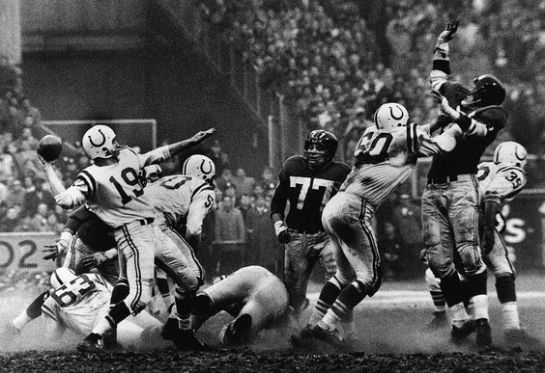
Tittle and McElhenny wound up in New York with the Giants who were afflicted with not fulfilling the promise of winning an NFL championship. They won in 1956 on the broad shoulders of Tom Landry’s defense. However they came up short in 1958 and 1959 in championship losses to Baltimore. In truth, the offense with Charlie Connerly, Frank Gifford, and Alex Webster had let them down. Although Tittle was in the twilight of his career he would be an upgrade at quarterback and aid an aging yet still formidable defense. Over the next 3 years, Tittle took the Giant offense to greatness.

In 1962, he broke Johnny Unitas’ single season touchdown record of 32, throwing for 33. He had never thrown for more than 20 in a season. He broke it the following year when he threw for 36, along with George Blanda over in the AFL, that stood until Dan Marino eclipsed it in 1984. Which was several NFL generations later. Tittle was the most productive in his career at 37 years of age. All he had to do was win the NFL championship to cement his legacy.

The 1963 NFL Championship Game would be played in the friendly confines of Wrigley Field.

Thanks for reading and please share the article.