The Chancellor Of Football’s Take: Hall of Fame Voting

The Pro Football Hall Of Fame in Canton, Ohio

Aritcle Reissue: 29, August 2012

The world has been rocked with the snub of Bill Belichick not being selected for the PFHoF on the first ballot and the selection process has now been scrutinized. Well 12 1/2 years ago during the height of my advocating for players for the Hall I brought this up. This was before even the Terrell Owens snub. For those new here, 13 of the 22 men (links below) I advocated for are now enshrined and I’ll send a letter to the PFHoF asking to  become a voter. I’ve kept it respectful and wrote out what I would argue in the same room with those voters. I touched this up over the years but here is the original article:

When I learned that Jerry Kramer was skipped over as a senior nominee for the Pro Football Hall of Fame, I just had utter contempt for the sportswriters who seem to be the gatekeepers of history. It felt like they were going to work against the groundswell of support for Kramer and the passion from fans talking about his exclusion. I think the selection committee needs to have a few more wrinkles thrown into the mix.

Sure there are personal reasons as to why I would think a player deserves to be in the Hall and is the foremost problem with the voting. There is no way to ignore your own thoughts or feelings about a person’s nomination being put before you. There will be partiality. You’ll remember that last year (______) didn’t vote for my guy so I won’t vote for his this year. That is human nature. So you have to do it by a committee there would be no other way.
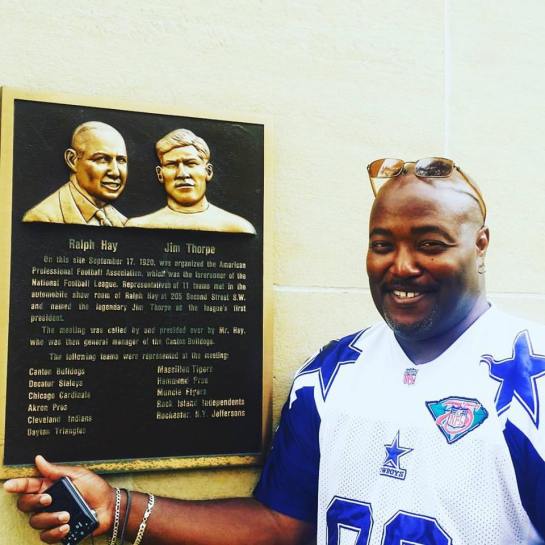
Chancellor.halloffameWhen I think of the Pro Football Hall of Fame, I think of a treasured museum for everyone who ever played the game, at ANY level, could appreciate. The ongoing history to the greatest sport there is and the telling of that story. Don’t tell me that Emmitt Smith is the greatest if you can’t tell me who Jim Brown was, or OJ Simpson, Ernie Nevers, or who Steve Van Buren was. Someone saying he didn’t see Bronko Nagurski or Red Grange isn’t enough. There are books, the Taylor Blitz Times or more important this incredible museum housing all this history. That’s what makes this building significant.

hof_gallery_visit-1With it’s enshrinees and special wings to memorable moments, the 92 year history of the NFL, the 10 years of the AFL, and early football pioneers before the NFL, come to life. This is where fathers get to teach sons moments in history… Like the famous “wristband” of Baltimore Colt running back Tom Matte from the 1960s. When injuries to the Colts quarterbacks pressed Matte into service, Don Shula supplied him with a “wristband” with the play calls on it for him to remember. That is how he got through the game as a fill in quarterback.

Not only does that legacy live on to this day with every NFL quarterback wearing one, but right now as you read this…there is a father or mother teaching their son that story and looking at the actual “wristband”. What dreams and goals will that kid aspire to upon learning that and tossing the ball with his father the next day?? What if that kid grows up to be the next Dan Marino or Johnny Unitas??

chancellor.blackcollegeThis is why it is important the players, coaches, innovators, owners and their stories should be here to be told. Its for us to relive moments and future generations to learn how things came to be. The special men who were the embodiment of  the very spirit of football.

Which brings us back to The Chancellor’s thoughts on the matter. A few things should be changed which would allow for a  smoother selection process. First things first… we couldn’t just turn the vote over to the fans. This would significantly cheapen the situation and dumb it down to just a popularity contest. We would just have Dallas Cowboys or Pittsburgh Steelers enshrined from this point on…so this one gets thrown out yet not entirely…

The first item to be changed is there should be 30 Hall of Fame players involved in the voting. Who would be better at this than those players who played with or against players coming up for nomination?? How has it gone this far without their inclusion?? A Hall of Famer would best know what another Hall of Famer would look like and play like. Here a nominee would need a majority vote. These votes are confidential…

Secondly, scale back the number of non football playing voters to 30, which would include the Chancellor, and these accounts along with enshrined members would be a better panel to debate who is a Hall of Famer than not. Those writers would be able to hear accounts from the inside that they wouldn’t be aware of without hearing from those players peers. Here a nominee would need half of the vote to make it. Not only that…there needs to be new blood in this pool with the advent of successful blog writers and historians in the mix, the terms for limitation to be on this committee should be 7-10 years. These votes aren’t confidential…
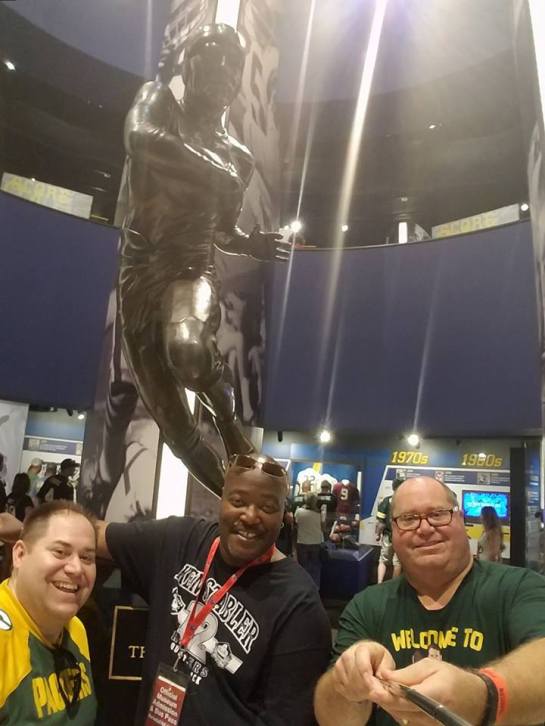
ryan.ronLast would be one where the fans would have a vote. A write in candidate with a specific number of write in votes by the fans and former players. That number to be determined and the fans (who are the paying customers) would have a little say. Number to be determined later by a committee.

If this were to be done there would be a better selection process and those voting would be held accountable for their vote. Why have the Hall of Famers votes confidential?? They belong to an exclusive club. Its like the Ray Nitschke luncheon. That is not for us… that is for those players who belong to that club to share in it’s exclusivity about what it means to be there and how they are their brother’s keeper. They don’t have to share who they think should be in and why. They do so with a vote.

My feelings on the selection process has been this way for many years yet I had the chance to see it from the other side. Those of you who have been following this blog know that I have my own nominations for players who should be in the Hall of Fame. One of the first articles I wrote was on Jerry Kramer last year on July 26th. Now I’m not exactly sure as to where it took place but I shared many videos of the 1960’s Green Bay Packers here and on Facebook. I came to know Alicia Kramer who spearheaded a great campaign to help her father get inducted to his rightful place. She asked me to be an administrator to the facebook page Jerry KramerHOF to which I was honored.

Seriously, I read two of his books as a kid including Distant Replay, which is one of the reasons I love and write about Pro Football. The fact that he had read and enjoyed a few of my stories on Facebook were a reciprocal part of the journey and why I share with other fans what is on my mind about football and the history of the game.  I contributed as often as I could with videos and such and wrote a letter to “The Hall” pleading for his nomination. I remember uploading the 1968 Green Bay Packers America’s Game to the page. To be right there from the start of that page and watch her work grow to include Hall of Fame members lending their support and passionate fans as well, it is something incredible to be a part of.

When the senior nomination came back without Jerry Kramer’s name on it, I took it personally…and still am. There were countless letters written by enshrinees such as Lem Barney, Jim Kelly, Bob Lilly, Dave Wilcox just to name a few yet Kramer’s nomination comes down to writers over former players?? No way. All the while from my first article to placing it on my Facebook page several times, at least one person would ask “Jerry Kramer is not in the HOF?” every single time.

I also shared an email exchange with Kevin Greene when he didn’t make the finalist round this year. These players who deserve their legacies to be secured earned this right. Those gatekeepers to history need to be guarded more by the enshrinees themselves than writers. That is what I learned from this last year through Alicia’s work. If it were up to them, Kramer wins by a landslide. Yet its time for forward and positive energy. Onward to 2013 and his certain nomination.

kramer.hof

Dedicated to the memory of Hall Of Fame Member Steve Van Buren who passed away last week. RIP You were a great running back and a true warrior of the game. Thank you!!

Other articles on who The Chancellor thinks should be in the Hall

Kevin Greene

Chuck Foreman

Lester Hayes

Tom Flores

Cris Carter

Everson Walls

Terrell Davis

Randy Moss

Sterling Sharpe

Robert Brazile

Drew Pearson

Cliff Branch 

Ken Stabler

Ken Riley

Corey Dillon

Roger Craig

Andre Reed

Edgerrin James

Hardy Nickerson

Wilber Marshall

Mike Holmgren

Todd Christensen

Eli Manning

Thanks for reading and please share the article.

Legendary Days: The 1990 NFC Championship Game – The Death of Camelot 35th Anniversary Today!

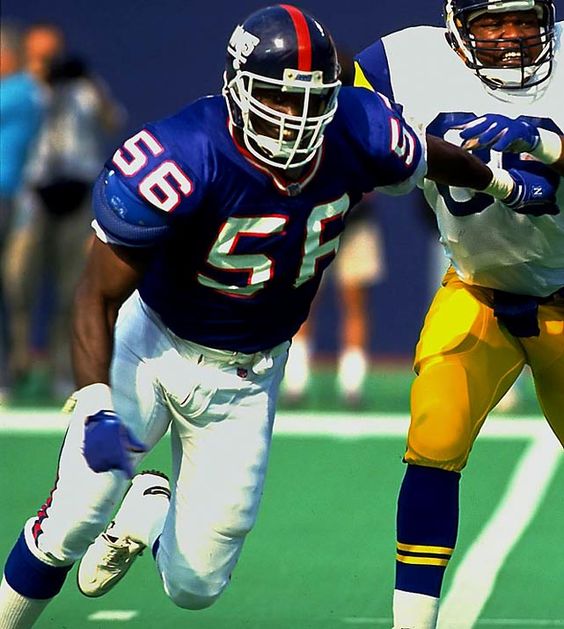
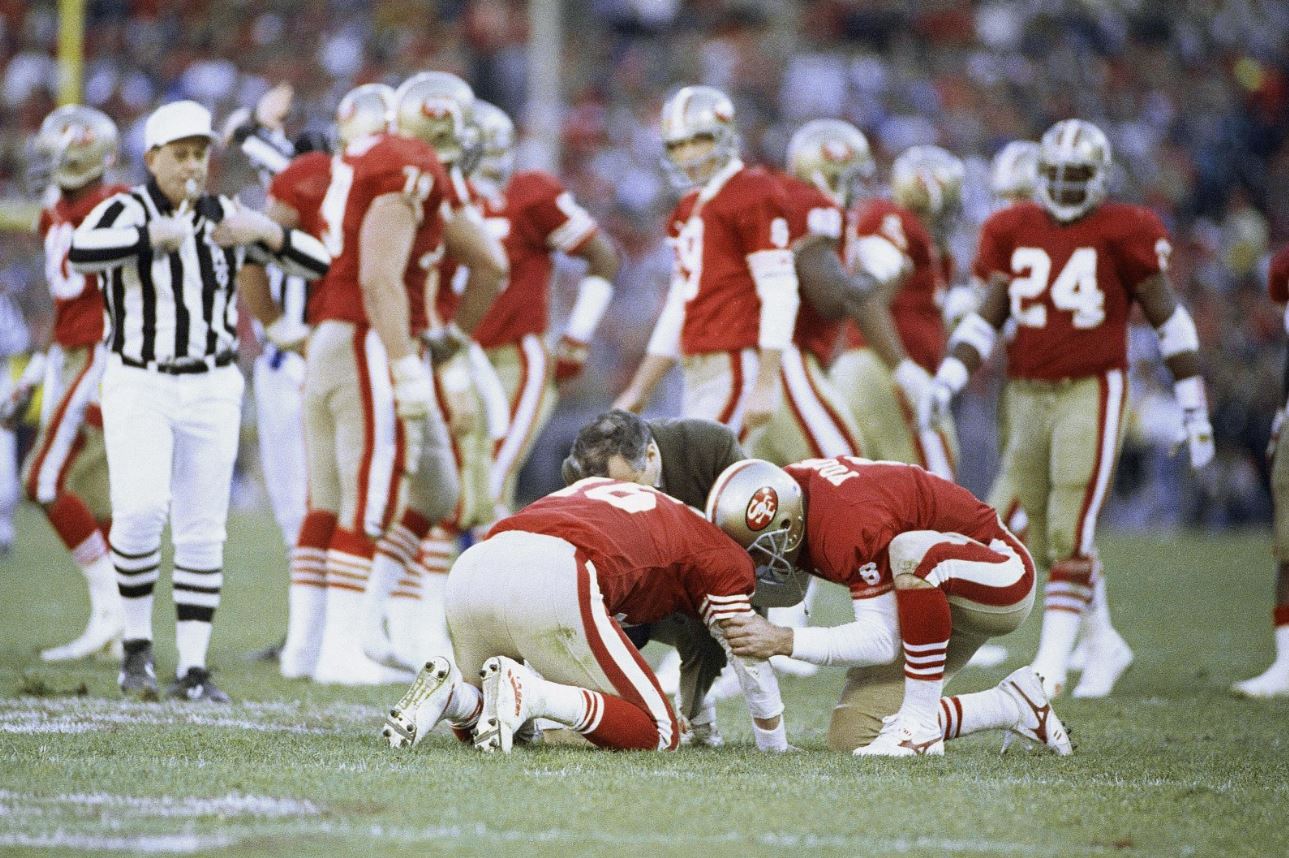
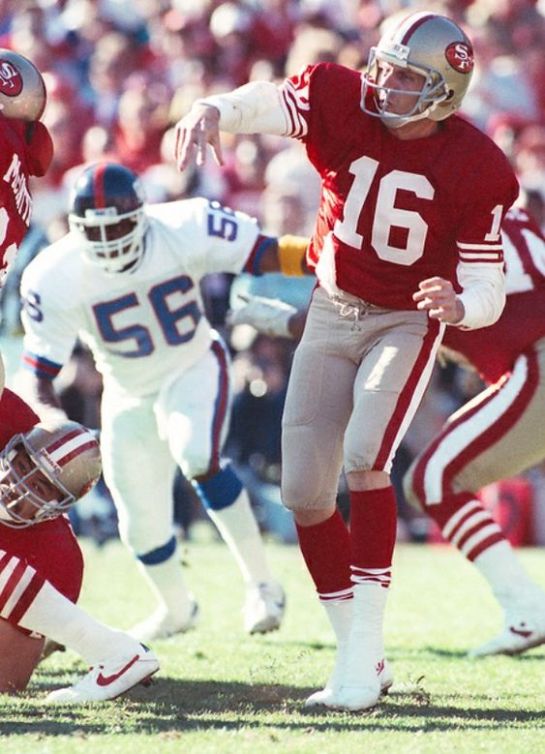
Leonard Marshall clobbers Joe Montana and knocks him out of the 1990 NFC Championship Game. He doesn’t return to action until the final game of the 1992 season against the Detroit Lions.

Reissue of Original Piece 24, July 2018

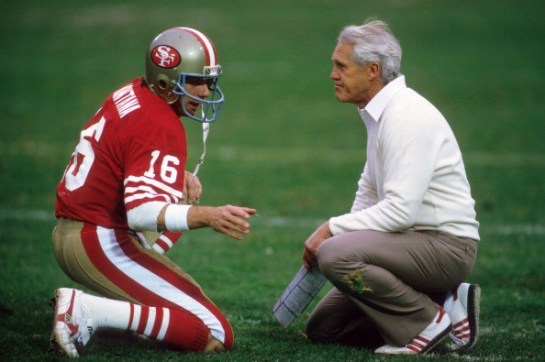
There is an old axiom when it comes to boxing when you hear someone say “styles make great fights” meaning opposing styles colliding provide great theater. Never was this more evident when it came to the San Francisco 49ers and the New York Giants of the 1980’s. The identity of the men from Gotham was a blood thirsty defense led by Lawrence Taylor, arguably the greatest defensive player ever. Joe Montana had ascended to legendary status as he led the NFL’s most efficient offense to 4 Super Bowl titles that decade. They would meet in a fitting crescendo that still has ramifications to this day.

If you travel to 1978 the Giants and 49ers met in what was a forgettable season for both. New York won 27-10 out in Candlestick during the season’s 4th week. They only won 3 games the rest of the stanza while San Francisco only won twice. Both began by hiring coaches in 1979 in Bill Walsh and Ray Perkins which set the course as each regime rose to prominence in the decade to come.

The next step was the selection of franchise quarterbacks, first Phil Simms in New York in round one then Joe Montana in the third. Each turned to the draft for the same spark on defense a few years later when the Giants selected LB Lawrence Taylor and Walsh’s selection of FS Ronnie Lott both in the 1st round in 1981. Both would later be enshrined in Canton.

Walsh and company ended an 8 year playoff drought with a 13-3 record and homefield advantage as Montana and company had come of age. New York defeated Dallas 13-10 to earn their first trip to the NFL postseason in 18 years. Then after a 27-21 upset of the defending NFC Champion Eagles in the wildcard round, New York was one step away from the NFC Championship Game and traveled west to face San Fran.

Going into the game the question was could NFL Defensive Player of the year Lawrence Taylor get to Joe Montana?? Could the finesse passing game take down the Giants’ hard rock defense??

Walsh’s team was shattering the NFL paradigm by passing first to set up the run. Contrary to popular belief was the fact it was San Francisco’s defense ranked #2 to the Giants at #3.

Montana was 20 of 31 for 304 yards for 2 TDs in a 38-24 win under the lights in Candlestick. Next came the NFC Championship with Dallas & The Catch, then a Super Bowl XVI victory and all the prestige that came with it. Walsh became the toast of the league and christened with his “genius” label. Joe became one of the faces of the NFL and would be one for the decade of the 1980’s.

The vanquished?? Well New York Defensive Coordinator Bill Parcell’s unit collapsed giving up a season high 38 points. They had only given up 30 once the entire year up to that point. As is the case when teams come up short in the playoffs, they’re knocked off kilter for a couple of years.

Parcells succeeded Perkins after a 4-5 season in ’82 and was nearly fired after a disastrous 3-12-1 rookie year in ’83. Yet all the while Walsh was one of the NFL’s marquee coaches and his 49ers bounced back and came within a couple penalties from winning the NFC Championship a 2nd time in 3 years. They fell to Washington 24-21 yet the media further spread the moniker they anointed Walsh with….”genius.”

Parcells bristled at the attention Walsh and the 49ers “finesse” approach to the game was getting. It only intensified in ’84 as they went 15-1 and threatened to go undefeated. New York rebounded as Phil Simms finally emerged from the shadows and became a 4,000 yard passer and the Giants returned to the playoffs. Another NFC playoff loss to Joe and the Niners 21-10 relegated the Giants to the NFL’s jr varsity as Walsh and Joe went on to hoist another Lombardi trophy.

However over the years Parcells kept building a team of brute force. Although they had been effective he drafted 6-4 250lb OLB Carl Banks who was a blue chip strong side ‘backer. Brought in 288 lbs DE Leonard Marshall to replace a 259lb Gary Jeter. He kept building upon his defense and relying on a straight forward power rushing attack.

Finally in the 1985 playoffs, the Giants #2 ranked defense held Montana and the 49er offense out of the endzone for the first time in a 17-3 Wildcard win at home. For the first time ever Parcells and the Giants beat the Niners in the 80’s and in the locker room he scoffed “What do you think now about that west coast offense?” In a bit of irony he wound up coining the name Walsh’s offense would come to be known forever.

However the Giants were manhandled in Chicago 21-0 to the eventual champion Bears. Both teams were built in the same old school fashion. You win with brute force on the line of scrimmage with a heavy front 7 and a strong offensive line with an offense that relied on the run. Yet the Giants sent alarm bells off all around the NFL when they already had a strong defense yet spent their first 6 picks in the first 3 rounds all on defense.

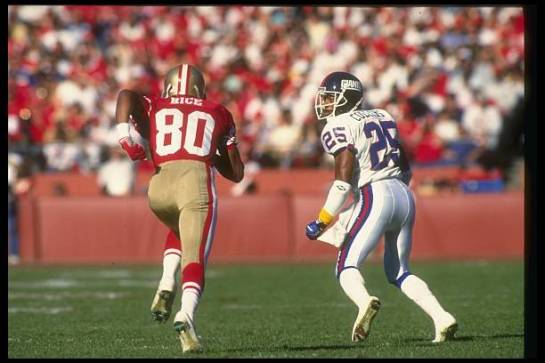
They fortified their defensive line with 6’4 280 lbs DE Erik Dorsey, NT Eric Howard who stood 6’4 275, 250 lb ILB Pepper Johnson along with crafty CB Mark Collins who was nearly 5-10 200 lbs. Collins turned into one of the Giant defense’s greatest assets as he blanketed Jerry Rice and was the best in history covering him. This gave the Giants a tremendous advantage for years to come.

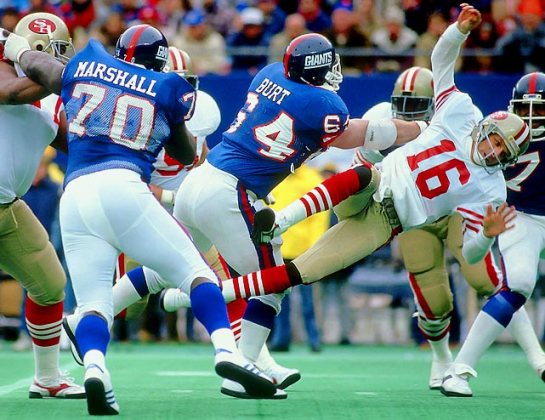
Jim Burt knocking Joe Montana out with a concussion in their 49-3 rout in the ’86 playoffs.

In the ’86 playoffs the Giants defense had come of age and starting with a 49-3 devastation of San Francisco in the NFC Divisional Round, it became clear the pendulum had completely swung. Jim Burt knocked Joe Montana out with seconds to go in the 1st half as Taylor returned an interception 34 yards to balloon the score to 28-3. In an embarrassing fashion Walsh’s squad was hammered into submission. Physically beat down unlike any game they had seen since they became one of the league’s elite a few years before.

This forced the 49ers to finish what they started in the ’85 draft fortifying their lines with bigger players to deal with the Bears and Giants. It came to fruition as the Niners went on to win Super Bowls XXIII and XXIV after the ’88 and ’89 seasons. Walsh had stepped down after the XXIII championship and former DC George Seifert took over head coaching duties. Offensive Coordinator Mike Holmgren began to be recognized as the 49er offense elevated their play to one of near perfection. Walsh’s legend only grew even in his departure for creating the offensive system which allowed his 49ers to become the team of the decade.

Going into 1990 pundits were debating not only were the 49ers the best ever team but was Joe Montana the best ever quarterback?? The same could be said of Jerry Rice as he had assaulted the record books and also had been a Super Bowl MVP. On their way to back to back championships they had set the NFL record with 18 consecutive road wins. Now they had the chance to win 3 straight Super Bowls where it would leave no doubt. They began the season with a 10-0 record and…

Waiting for them who also began 10-0 was the Giant team that had learned how to win from the 49ers and had taken it up a level. Now the more powerful rebuilt 49ers who had a 2-3 record (0-2 in the playoffs since ’85) staring them down. Were they lucky they hadn’t met the Giants in the playoffs in both ’88 and ’89?? Would they even have won back to back had New York had a shot at them??

The Chancellor definitely doesn’t think they would have.. yet I digress

In week 12 each team was 10-1 when they met in San Francisco on a Monday Night. In the 2nd highest watched MNF in history the 49ers beat the Giants 7-3 in a slugfest where the Giants inability to score a touchdown on offense did them in. In 3 shots inside the redzone they could only score 1 field goal. Yet to a man the Giants relished another shot at San Francisco. Finally they would have their chance in the NFC Championship Game. For the decade the playoff record between the two stood at 2-2 and they would meet in the last chance to halt “Camelot’s” greatest procession into history.

In the collective gasp after the Leonard Marshall hit you knew everything had changed. The silence that befell Candlestick Park as Montana writhed in pain for several minutes was palpable. Unlike most games where the network would take a commercial break, a nationwide audience sat glued to the football version of a tragic event. The greatest quarterback whose nimble feet that deftly dodged trouble in and out of the pocket forever in January’s past had been viciously taken down. The Camelot Bill Walsh so eloquently stated of that era ended in that moment.

The final kick by Matt Bahr for the 15-13 win was just icing on the cake made by a ferocious defense in one of the greatest games in NFL history.

90nfcchmpshp

A more visceral look:

The era closed with the Giants holding a 3-2 edge in postseason games although the Niners were team of the decade. Over the next 27 years coaches from both sides made it to the Super Bowl 15 times with Bill Belichick (9) Tom Coughlin (2) Mike Holmgren (3) and Jon Gruden (1). This doesn’t include Bill Parcells’ 2nd Super Bowl triumph 1 week after this game vs Buffalo in XXV. Much has been made of the Bill Walsh coaching tree but take a look at the one stemming from Parcells’ group. Its second to none and it all started with a championship win over Camelot in 1990.

Looking back each team had elevated the other and by the time the decade concluded they were head and shoulders above other teams. However the two contrasting styles made for great theater and one where most people forget who finished with the upper hand.

Thanks for reading and please share the article.

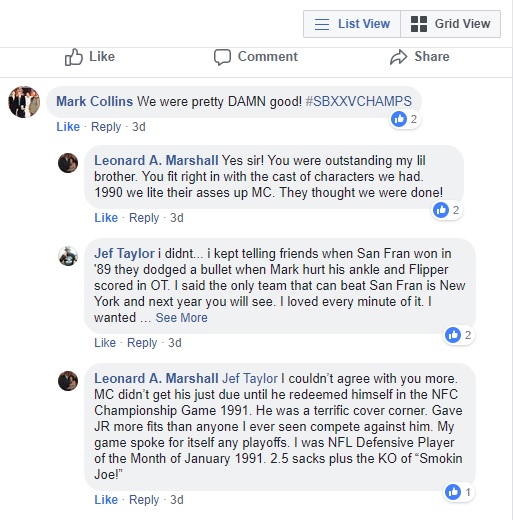
collins.marshall

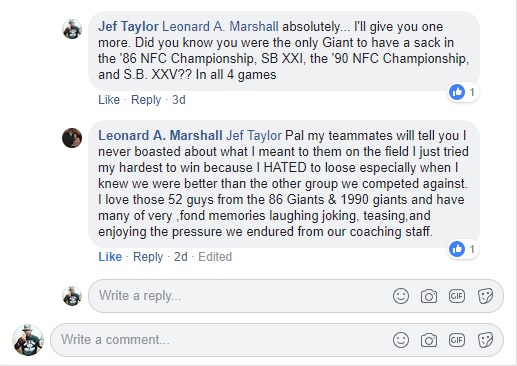
collins.marshall2

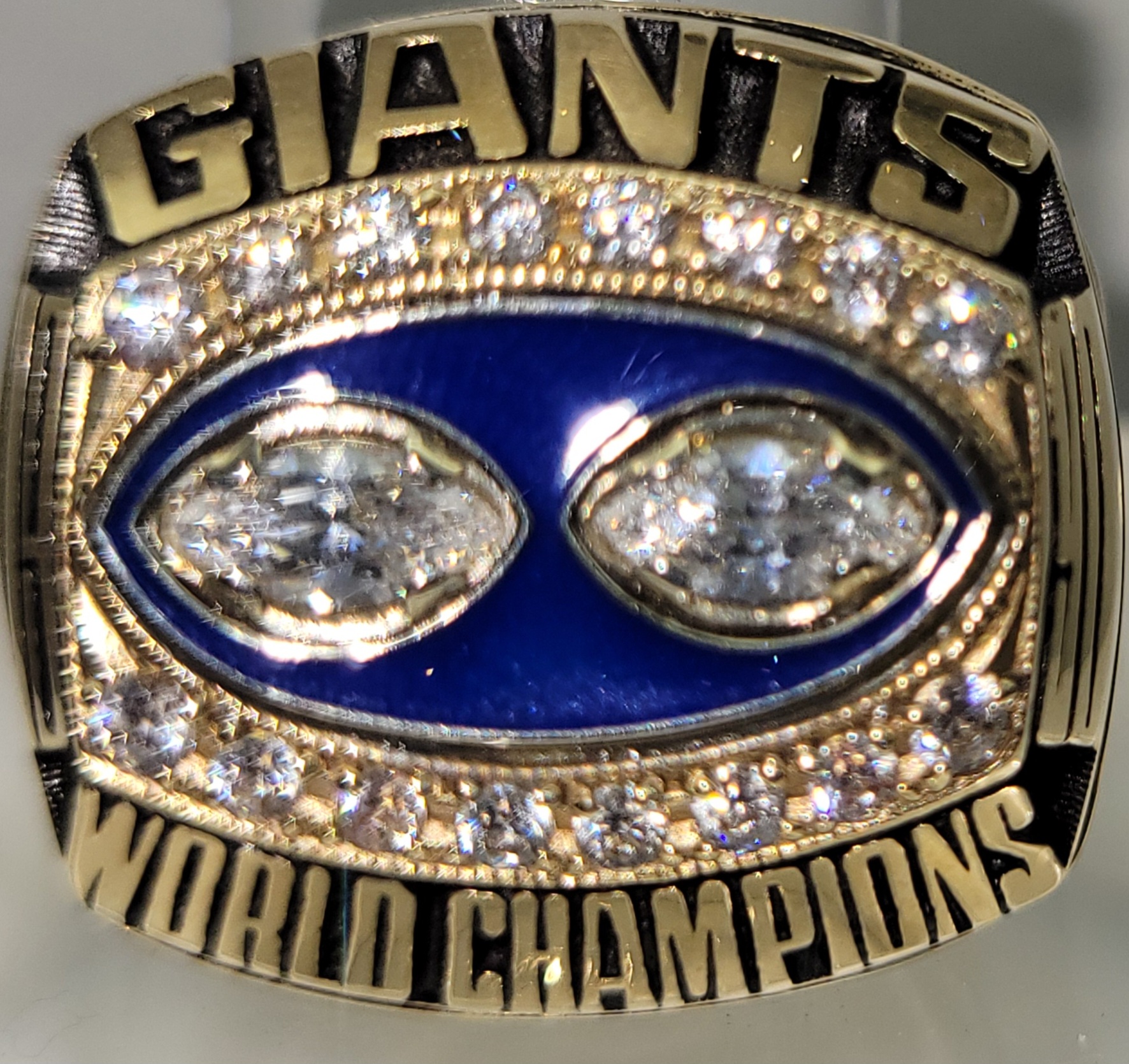
SUPER BOWL XXV CHAMPION 1990 NEW YORK GIANTS

Super Bowl XXV: Giants 20 Bills 19…My Bills that is….sigh  OK here goes…be fair..not a fan…be fair…*gasp*  The Giants made it to Tampa on the heels of one of the greatest NFC Championships ever played in their 15-13 defeat of the two time champion San Francisco 49ers. The team the Giants were built to defeat.

What was beautiful was how the Giants and 49ers each steamrolled toward  the ’90 NFC title tilt like two tractor trailers headed for a head on collision. Each had won 2 playoff games against the other in head to head during the 1980’s. Yet the Giants had won the last two in 1985 and 1986.  The latter was a 49-3 destruction which took place in the ’86 divisional round. A game made famous when Joe Montana was knocked from the game with a severe concussion by Giant Jim Burt (from the[[_]]).
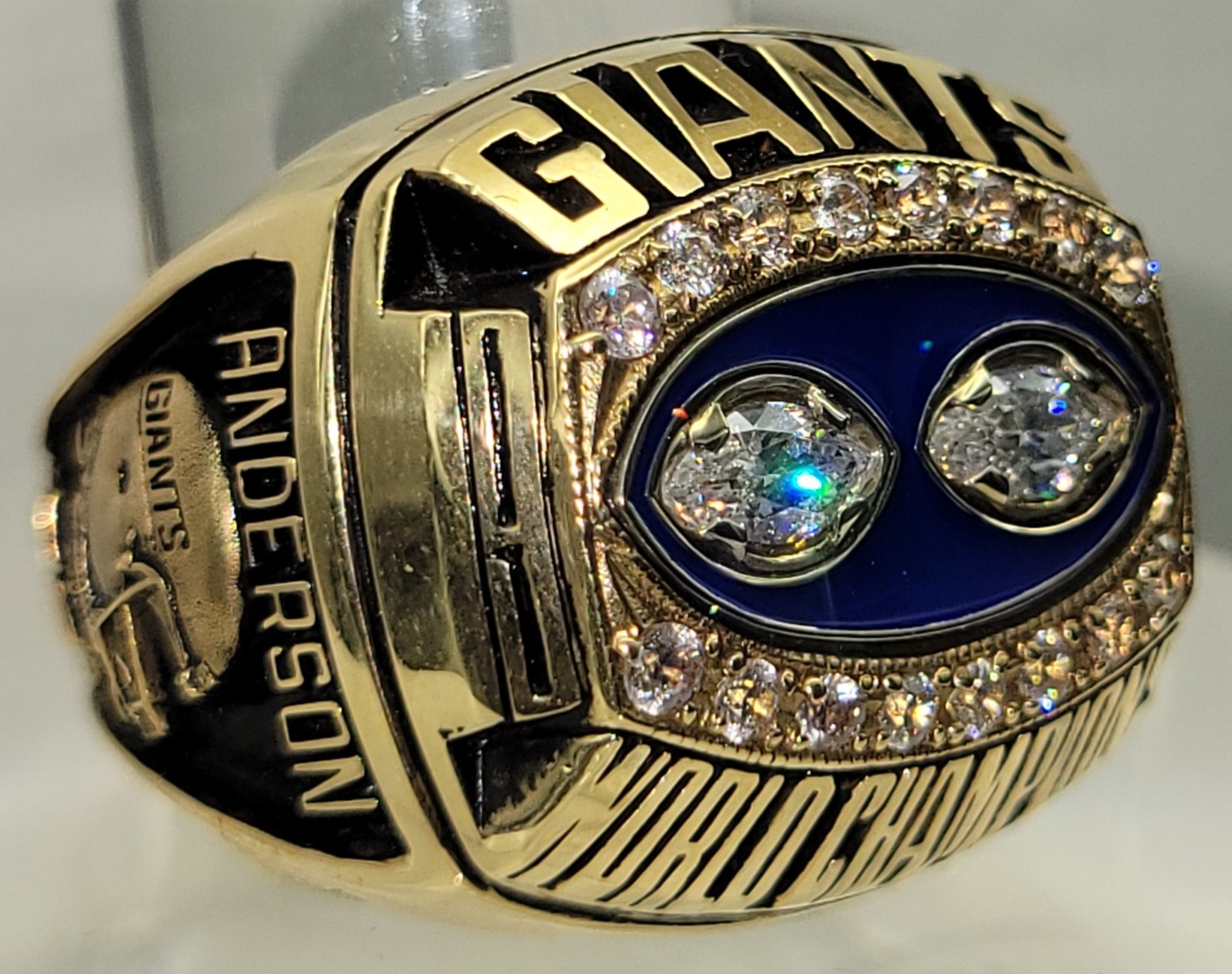
The Giants were built by the late GM George Young. Yet it was Bill Parcells and DC Bill Belichick who designed his defense to throw off the timing of the 49ers offense, mainly though disrupting the receivers by knocking them off their routes.

sb25gnts2Enter Mark Collins, who was drafted in 1986 from Cal State Fullerton. He was the best cornerback that covered Jerry Rice on a continual basis.  Bumping him at the line of scrimmage and getting a good re-route that makes the cover 2 defense go…funnel the receivers in to the linebackers and safeties.  This team had some big safeties in Myron Guyton and Greg Jackson….couple these guys with the aging yet effective Everson Walls and this was a solid secondary.
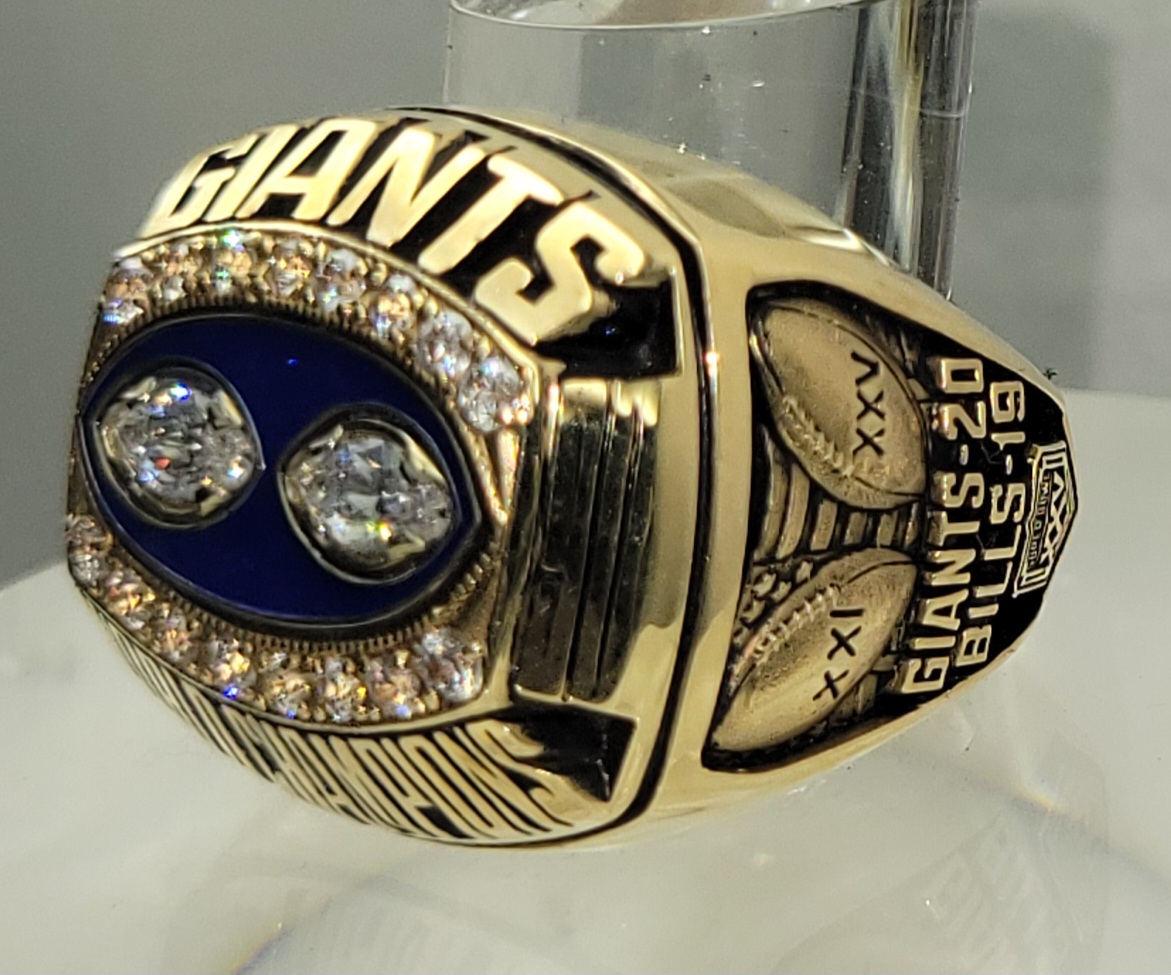
Did I forget the linebackers off this team? Linebacker and New York Giants just go hand in hand don’t they?  Pepper Johnson (5 rings), Gary Reasons, Carl Banks, and Hall of Famer Lawrence Taylor were stout.  Stopped the run…rushed the passer and for one game against the 49ers in the NFC Championship in 1990 they flip flopped Lawrence and Carl Banks so that Taylor was rushing on Steve Wallace and had Leonard Marshall work against Bubba Paris…uh…we’ll get to that.  Then you had the front line in a 3-4 that was just beefy in Erik Howard (who replaced the departed Burt) Eric Dorsey, and future Hall of Famer Leonard Marshall.  Immovable on the point and still could collapse the pocket.

What’s funny is that the 49ers in the ’89 playoffs, were on their way to repeat as champions and they caught a huge break.  While they were beating Minnesota, the Giants were locked in a dogfight with the L.A. Rams and were tied at 13 in overtime.  First, the Giants were flagged on a very questionable pass interference by Sheldon White that moved the Rams into field goal range.

The next play Mark Collins breaks his ankle and the Rams rushed to the line of scrimmage and sent Flipper Anderson (Collins was covering) on a go route to end the game 19-13. The Giants would have stopped that 89 ‘Niner team.  Of course friends wouldn’t listen and everyone was talking 3 peat. I told everyone the Niners aren’t built to handle the Giants and each team came in on a mission steamrolling to 10-0 start to the season, the both of them.  Met on a Monday night each 10-1 and proceeded to beat the hell out of each other in a defensive struggle so good it was artistic.  The Niners won 7-3 but could they win the rubber match??

Yes Everson Walls got to celebrate a big win in Candlestick Park… this was only the 2nd road team to win the NFC Championship in 11 years dating back to 1980. OJ Anderson, from The [[_]], was a workhorse and won Super Bowl MVP honors.

I didn’t think they could bounce back from such a dogfight within one week yet they did and held down MY BILLS with a power running game and kept the ball for 40 minutes.  It’s still painful to think of the kick Norwood missed..and many folks say that the 86 Giants were better…but look at the two teams they had to beat to get this ring: The almost 3-peat 2 time Super Bowl champion 49ers and a juggernaut Buffalo Bills team that won the AFC Championship 51-3, were up 41-3 at the half and the starters were on the bench before the 4th quarter. San Fran played in the 2 Super Bowls previous and Buffalo would play in the next 3.

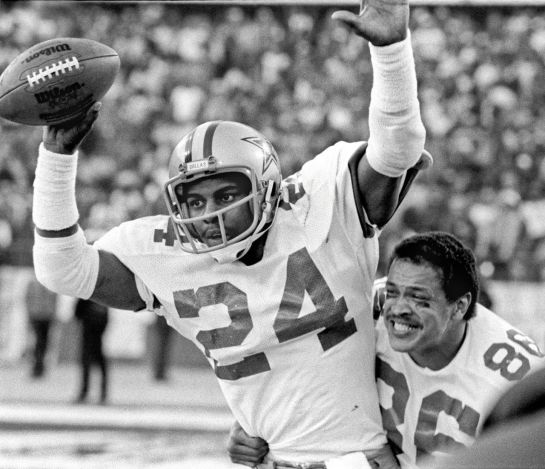
The '90 Giants just had their 25 year reunion.

The ’90 Giants just had their 25 year reunion. Great team… Great men

That is much stronger than defeating a wildcard 10-6 Redskin team in the ’86 NFC Title and Denver in XXI. In fact the ’90 run they had to beat 1 Hall of Fame Coach in Marv Levy and 9 Hall of Fame players on the 49ers and Bills. The 2 championships in ’86 had just Joe Gibbs and 3 Hall of Famers on the Redskins and Bronco squads.

I’d have to put this 90 team over the 86 team because of the strength of opponent to achieve both NFC and Super Bowl titles were stronger…that’s my take…what do you think??

collins.marshall

collins.marshall2

Everson Walls Belongs In the Hall of Fame

Butch Johnson and Everson celebrate Walls 4th quarter redzone interception in the ’81 NFC Championship Game. Yes, same quarter as The Catch

In the history of football, one of the hardest positions to judge or gauge performance is cornerback. Many times they’re overlooked when we speak of their careers as a whole because they rarely have a lot of tackles or hard hits.  So we tend to think of defenisve linemen or linebackers first. However after the NFL instituted rule changes that favored the passing game in 1978.  A more fluid athlete was needed to turn and run with receivers who could no longer be hit beyond 5 yards of the scrimmage line. The day of the super physical Mel Blount type cornerback was over and a new type of player would emerge.

The Dallas Cowboys of 1980 saw a secondary in flux with many of their great ’70s players aging, and teams piled points on ’em  after years of abuse. They gave up 311 points or nearly 20 a game. Mel Renfro had retired a few years back and Cliff Harris’ left after the 1979 season and the secondary was having epic breakdowns.

Even in Roger Staubach’s famous come from behind victory over the Redskins in the 1979 finale, the defense had given up 34 points at home in that game. So losing an All Decade performer in Cliff Harris and injuries to Randy Hughes magnified Cowboys problems.  By the time the 1980 playoffs began, the Cowboys couldn’t cover a child with a blanket. Cornerback Aaron Mitchell got lit up by Alfred Jenkins ( 4 rec. 155 yds, 1 TD) of the Atlanta Falcons in a playoff game known for being Danny White’s first great comeback. They prevailed 30-27 but a defensive back upgrade was top priority in the 1981 NFL Draft.

Enter Everson Walls, a lanky fast cornerback the Dallas Cowboys drafted out of Grambling in 1981.  He was a clearly brought in to be a cover man first and run supporter second.  He burst onto the scene in his rookie year when he led the NFL in interceptions with 11 while making the Pro Bowl as a rookie. Coming a year after Lester Hayes breakout 1980 campaign when he totaled 13 interceptions, Walls season was somewhat overlooked. While pundits duked it out over which cornerback was the best of the new breed, Walls interception totals didn’t drop over the ensuing years as Hayes did once stickum was outlawed.

After the strike shortened year of 1982 in which the NFL only played 9 regular season games, Walls led the NFL again in interceptions with 7.  Teams were avoiding throwing in his area and he gambled his way to a better season than his first.  Projected over a 16 game season, he would have equaled the 13 that Lester Hayes had in his near record breaking campaign in 1980.  After having 11 the year before?? Now that is an encore.

Everson Walls battling a rookie Jerry Rice in 1985

One of the reasons that Walls gets overlooked is he played for the Dallas Cowboys after their Super Bowl appearances of the late 70s.  This was the era in which the Dallas Cowboys lost three consecutive NFC Championship games, so the stars of this time weren’t lionized by NFL pundits like their 70’s counterparts. Much of this can be attributed to the 1981 NFC Championship Game in which Dwight Clark soared high to make “The Catch” and Walls was falsely treated as a goat for allowing it.

Yet many of those same pundits forget that earlier in the game Walls had made several key plays which included 2 interceptions to halt 49er drives. One of which occurred at the goal line.  He had played an exceptional game even in that defeat.

The Cowboys were a playoff team in 1983 yet teams threw away from Everson Walls at all costs.  However in 1985 he re-emerged to lead the NFL again with 9 interceptions. By doing so he became the only player in league history to lead 3 times in interceptions. It was at this point there had to be a reason for this gambler from Grambling picking off so many passes.

In John Madden’s second book “One Knee Equals Two Feet”, John cited the reason for Walls high totals a byproduct for teams having to throw over 6 foot 9, Ed “Too Tall” Jones. Jones was the defensive end on Walls side but that isn’t true. If you look at the 1977 and 1978 seasons, the Doomsday Defense II and “Too Tall” were at their zenith. In ’77 the Cowboys were the last team to win the Super Bowl with a team that was #1 on offense and defense yet the highest interception total was 5 by Benny Barnes. In the ’78 season in which they returned to the Super Bowl the highest cornerback total was 3. Walls with 11, 7 (projected 13), and 9 interception totals dwarf those with an aging Jones in front of him.

What are we saying?  Its time to give credit where credit is due. When you think of impact at cornerback you think of interceptions and the ability to battle the league’s best. Walls faced Roy Green, Hall of Famer Art Monk, and Mike Quick who were the NFC’s best and came out on top in many battles. Walls would go on to finish with 57 interceptions over his 12 year career.  He was a 4 time Pro Bowler yet was a first team All Pro just once. How does that happen when he led the league in interceptions 3 times?? Sportswriters are at fault for the All Pro snub and none pushed for him since he wasn’t a high round draft pick the beat writers would advocate for.

The Cowboys were penalized after losing the Battle of Champions to the Pittsburgh Steelers in Super Bowl XIII, and the fallout includes the early 80s Cowboys when it comes to Hall of Fame consideration. While most short sighted columnists would remind you that his Dallas Cowboys never won a Super Bowl as reason for the snub.

Yet one of the most important roles in his career was when he teamed with Mark Collins, and Perry Williams to give the New York Giants 3 excellent corners to shut down the Buffalo Bills 3 receivers in Super Bowl XXV. Early in that game it was Walls who caught James Lofton after a deflected pass gained Buffalo 61 yards and into Giant territory.  Three plays later on a crucial 3rd down it was Walls who broke up a pass for Thurman Thomas that forced the Bills to settle for a field goal. Had he not caught Lofton or stopped the Bills from gaining a first and goal, how could that have affected a game in which the Giants won just 20-19??   So he was a Super Bowl champion, so scratch that off the list of why he doesn’t belong.

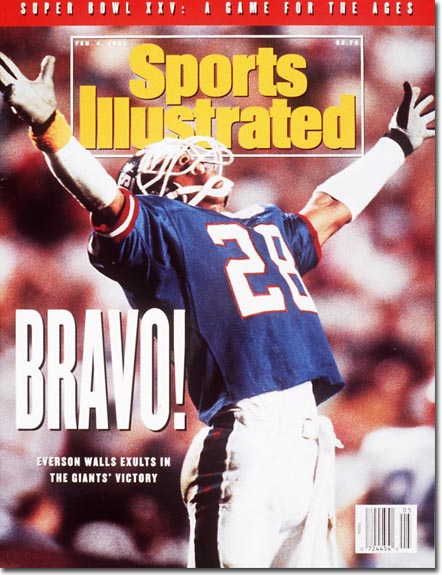
He was forever immortalized on the cover of Sports Illustrated after that game.

Super Bowl XXV Cover Pic of Everson Walls

Two weeks ago, Everson Walls was inducted into the Grambling Hall of Fame.  In recent years this consummate teammate made headlines by donating a kidney to former Cowboy Ron Springs in a gesture that says more about the man than his playing ability. He is an excellent ambassador to the game of football, signing autographs and constantly meets and communicates with fans through social media and Cowboys engagements. However it was his exploits as one of “Thurman’s Thieves” that made it all possible.

Please lend your thoughts as well by writing in to the Pro Football Hall of Fame at the address below. Please be respectful and positively lend your voice:

Please write & nominate #24 Everson Walls
Send letters to:
Pro Football Hall of Fame
Attention Senior Selection Committee
2121 George Halas Dr NW, Canton, 
OH 44708

For induction into the Pro Football Hall of Fame, I present to you Everson Walls

Coaches and players from the past advocated for on Taylor Blitz Times in order:

Robert Brazile 2011 (inducted 2018)

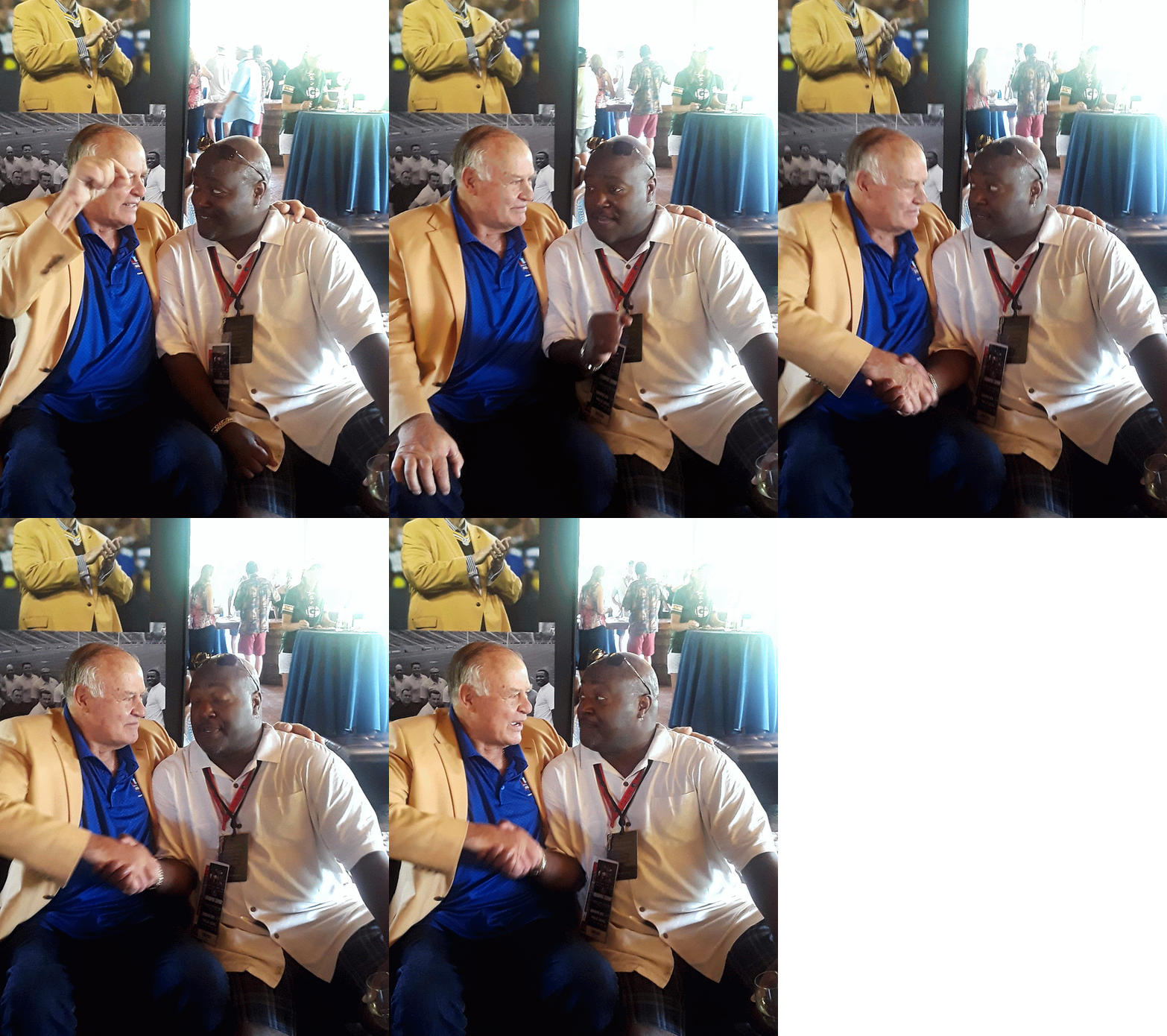
Ran into Robert Brazile after the Gold Jacket Dinner. Great time.


Kevin Greene 2011 (inducted 2016)

With Kevin Greene after the Induction ceremony.


Sterling Sharpe 2011 (induction Aug. 2025

Terrell Davis 2011 (inducted 2017)

Jerry Kramer 2011 (inducted 2018)

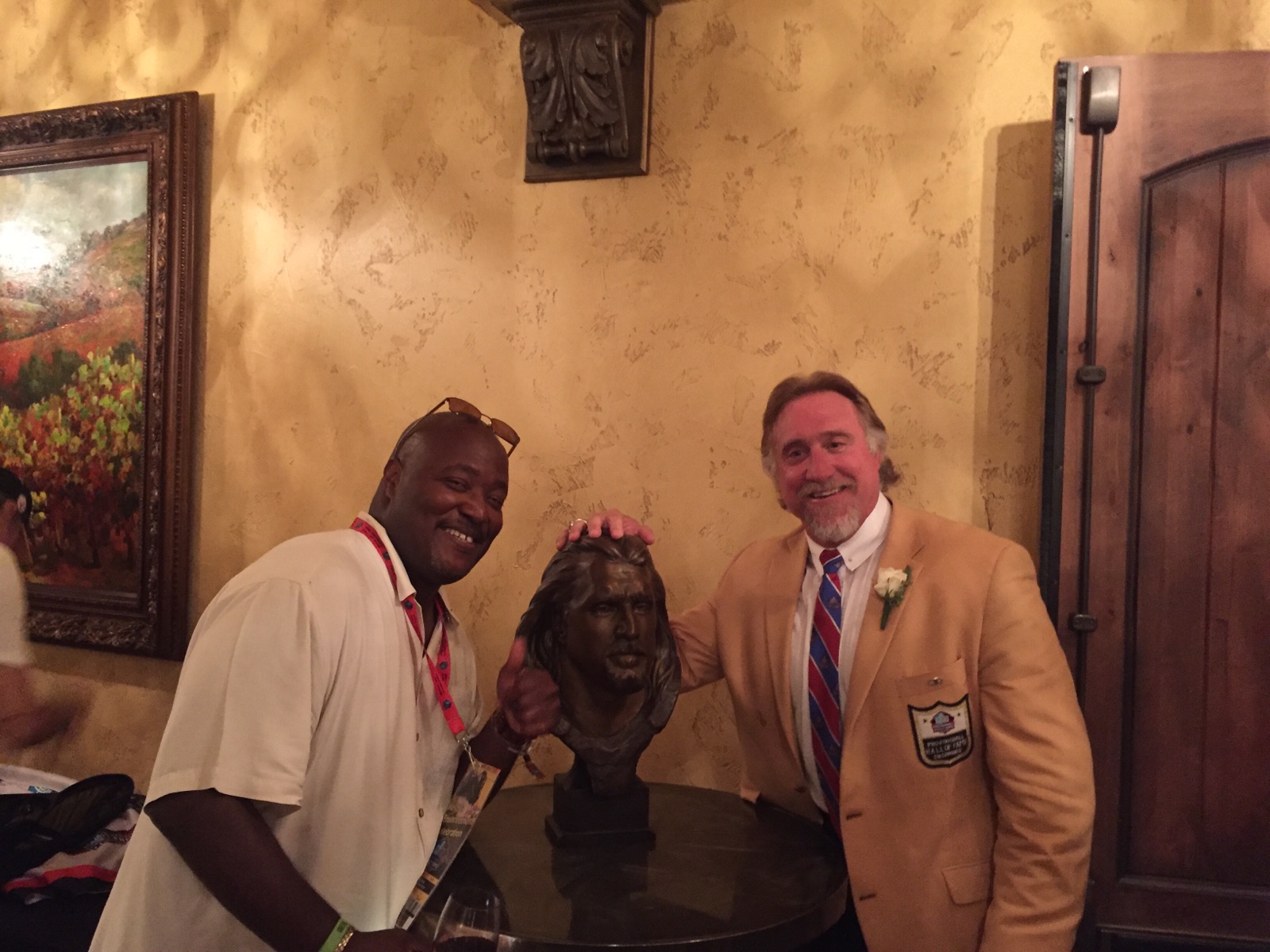
“Hey big guy!” The laughs at the Hall of Fame party were priceless.


Everson Walls 2011

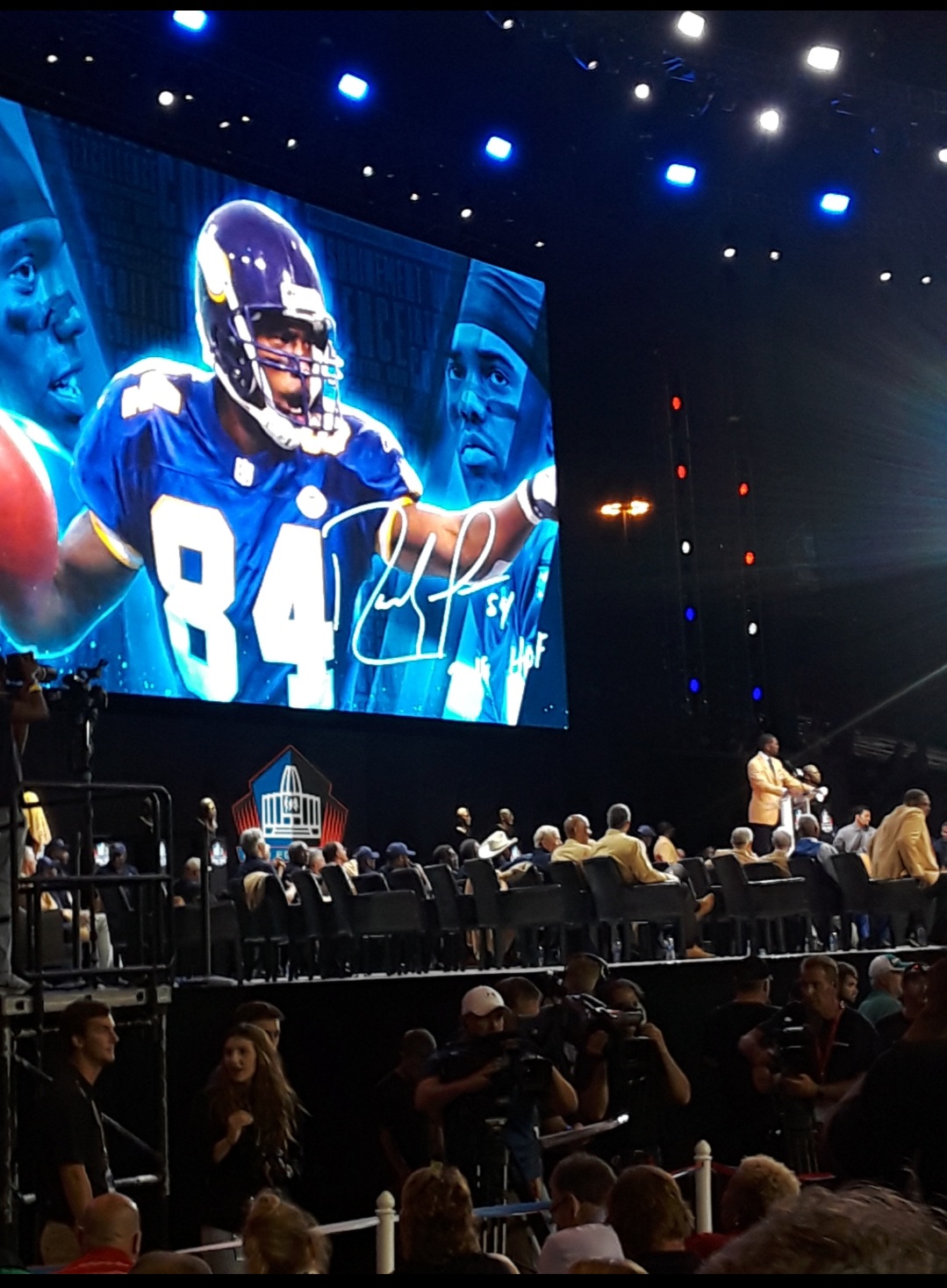
Randy Moss 2011 (inducted 2018)

Cris Carter 2011 (inducted 2013)

Tom Flores 2012 (inducted 2021)

Lester Hayes 2012

Chuck Foreman 2012

Edgerrin James 2013 (inducted 2020)

Andre Reed 2013 (inducted 2014) 

Roger Craig 2013

Corey Dillon 2014

Ken Riley 2015 (inducted 2023)

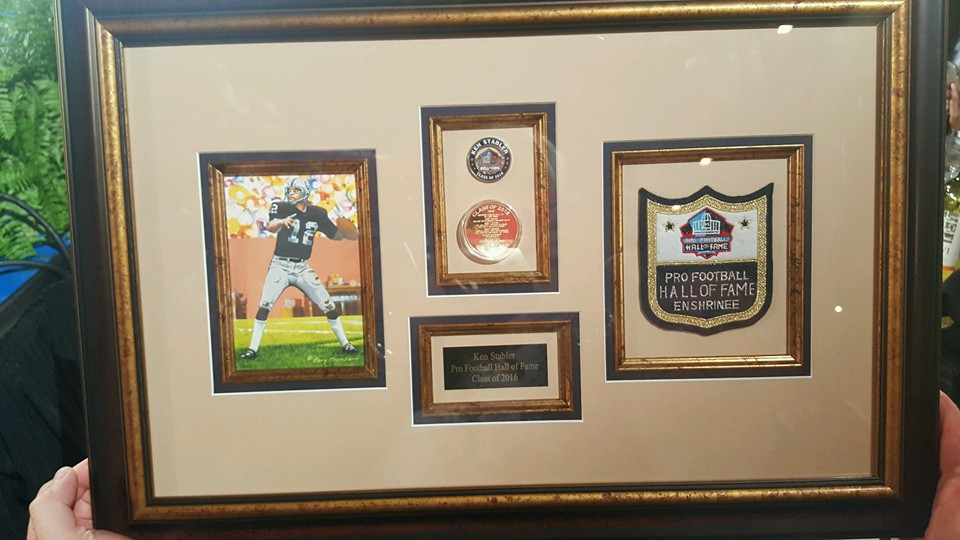
Ken Stabler 2015 (inducted 2016)

Drew Pearson 2016 (inducted 2021) 

Cliff Branch 2016 (inducted 2022)

Todd Christensen 2017

Hardy Nickerson 2020

Wilber Marshall 2024

Super Bowl XXI Giants v. Super Bowl XXV Giants

SUPER BOWL XXV CHAMPION 1990 NEW YORK GIANTS <————————————Click Link