
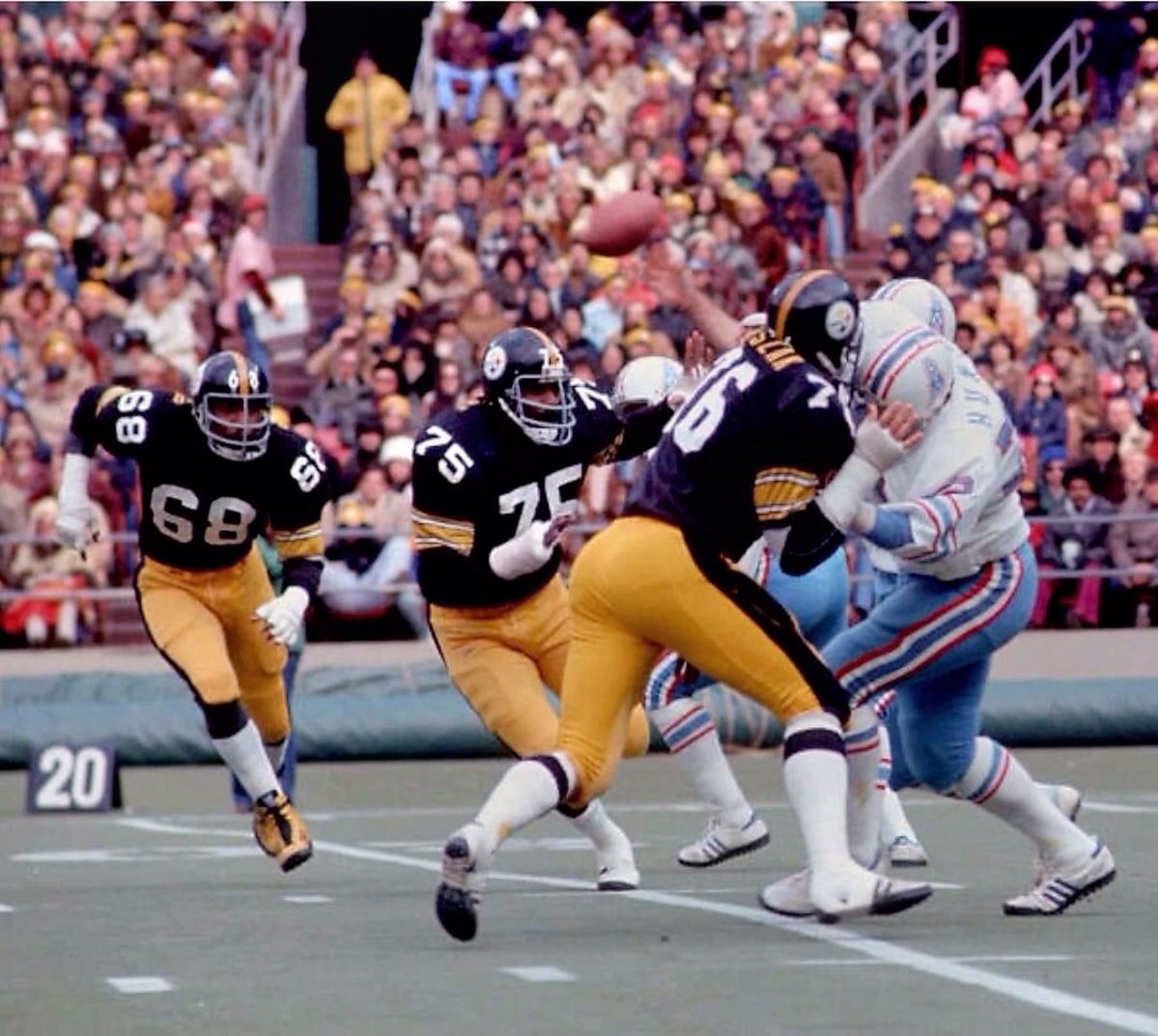
“In this study every season’s #1 defense, record setting defenses, trend setting defenses, and every Super Bowl & NFL championship defenses dating back to 1960. The nod would lend to those post the AFL/NFL merger of 1970. That wasn’t enough as now lets take each defense and cover what they did vs Pro Bowl QBs that season, 1,000 yard rushers, and playoff teams and talk about their effectiveness along with their statistics. Here turnovers forced is a big marker. Nothing watered down so a favorite team can’t be given favor. So The Chancellor of Football took over 200 defenses and boiled it down to this 11 article series and this was the 8th..”
Now how could we have a category on the best defenses and defenders in NFL history and not include the Pittsburgh Steelers?? As we moved into the 1970′s following the merger, we saw the hashmarks narrowed in 1974 and the goal posts moved to the end line to provide offenses more room to operate. Scoring had been down for much of the first half of the decade and it was thought this additional field to cover would hamper defenses. Especially those with burly MLB types that had limited range tracking sideline to sideline, or defending the pass.
Enter Jack Lambert. A converted outside linebacker who stood 6’4 and stayed at a playing weight of 220 lbs. the majority of his career. What he brought to the table was the speed to get further back than the Willie Lanier’s and the Dick Butkus’, a prior generation’s middle linebackers who were mainly there to stuff the run. His ability to get past twenty yards in pass defense was the impetus for the Steelers to run what is NOW misnamed the “Tampa 2″.
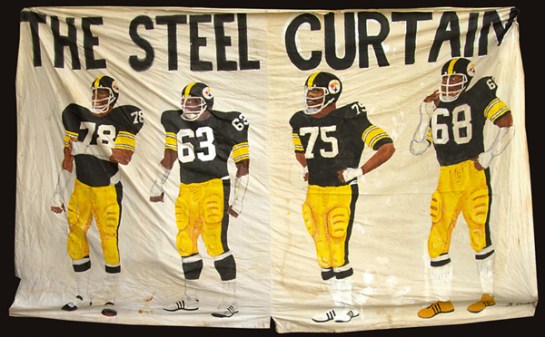
It started in Pittsburgh because against the run and rushing the passer, Ernie Holmes, Joe Greene, Dwight White, and LC Greenwood were the finest front four of their era….possibly football history. Lambert, along with outside linebackers Andy Russell, and Jack Ham, only needed to clean up against the run and were already a step back ready to clog the middle and flat areas against the slower tight ends of that era. The result??
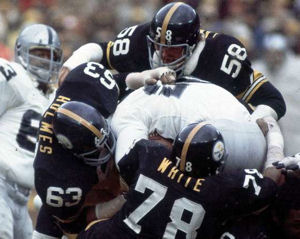
No one could run on the ’76 Steelers
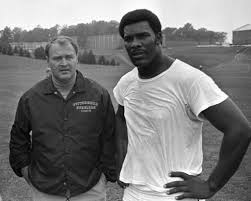
A defense put together from astute drafting grew into one of menace that powered the Steelers to victories in both Super Bowls IX and X. In Super Bowl IX the Steelers held the Vikings to just 17 yards rushing for the game. A record that stood until Super Bowl XX. They stood tall and defended against a frantic last second effort in Super Bowl X. So strong was the Steeler defense, Coach Chuck Noll ran the ball on 4th and 9 and let the Cowboys have the ball at their own 40 yard line leaving it up to the defense to win the game. While winning a second straight world title they set the Super Bowl record for sacks with 7.
A young team with an unprecedented chance to win a third straight Super Bowl went into the 1976 season with their front four in their prime.With Terry Bradshaw growing up as a quarterback and growing receivers John Stallworth and Lynn Swann with one of history’s finest defense….What would they do for an encore?? Could they threepeat??
However there were a couple issues as this defemse was 2-2 against Pro Bowl QBs. They lost to Fran Tarkenton and Minnesota 17-6, and Ken Stabler’s Raiders 31-28 in a wild come back out by the East Bay. Another notch against the Steelers was their performance against 1976’s Top Ten offenses where they went 1-3 in the regular season. They allowed the 2nd ranked Raiders 31 in a loss. The Vikings were 6th in offense and lost 17-6 and New England’s 8th ranked offense dropped 30 in a loss (30-27) at Three Rivers no less.
The only win was against the Kansas City Chiefs who had the league’s 7th best offense. The one thing they did do was blow out the #1 offense in the Baltimore Colts 40-14 but that did come in an AFC Divisional Playoff and they didn’t hold any To; Ten offense to 10 points or less. Another best ever defense hallmark.
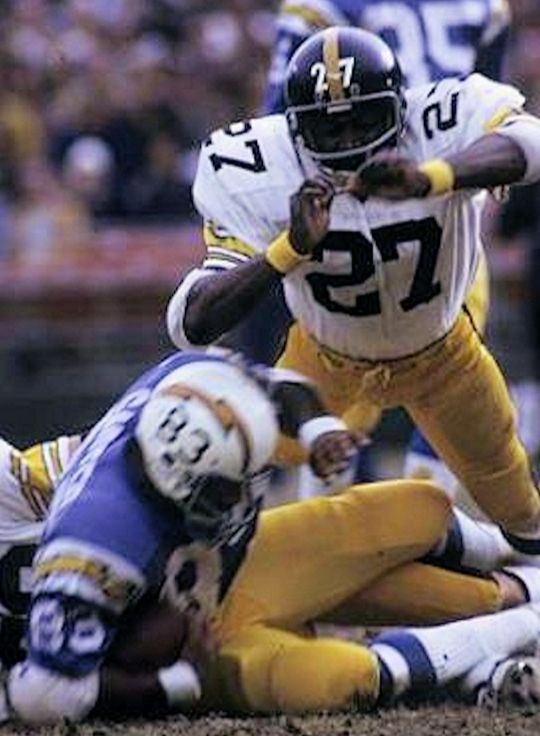
Glen Edwards laid the wood at FS on those Steeler defenses. A forgotten player.
These bleemishes against top ten offenses dropped this unit out of out Top 3. This is for statistical dominance over a season not just a particular streak that happened during one. How did you fare against Pro Bowl QBs & Top Ten offenses is a staple to this study to eliminate biases.
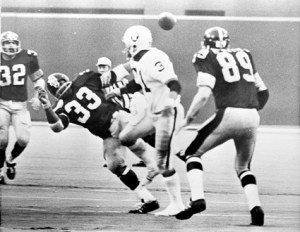
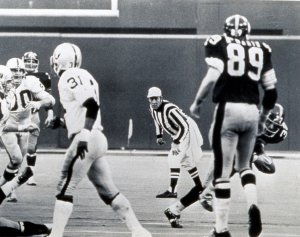
One thing to note, this team was primarily responsible for the upcoming rule changes of 1978 and this was their best season. For the year they were #1 overall (237.4 y/pg) gave up just 138 points and held 7 of 8 straight opponents to 10 points or less. Five of those came by shutout and the first modern team to record 3 in a row. In fact they only allowed 2 touchdowns in the last 10 games and those came in the same game. A 32-16 win over the Oilers.
They had a string of 22 uqarters where they didn’t allow a touchdown. They were so good they had to be legislated out of business.
Starting in 1978 they instituted the “Mel Blount Rule” where receivers could only be jammed / hit within the first five yards of the scrimmage line. Blount was bludgeoning receives all down the field until the pass was thrown. Pass protectors were allowed to extend their arms to better protect against the Steel Curtain. The head slap was another tactic taken away from Pittsburgh’s charging front four in 1978. All of these rule changes can be traced back to this group.
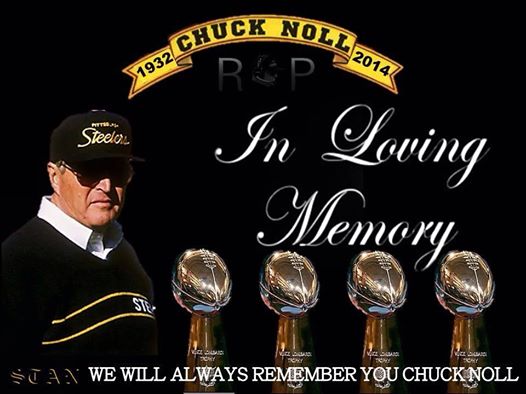
RIP Coach Noll
One of the best in history and number 4 on The Chancellor of Football’s list.
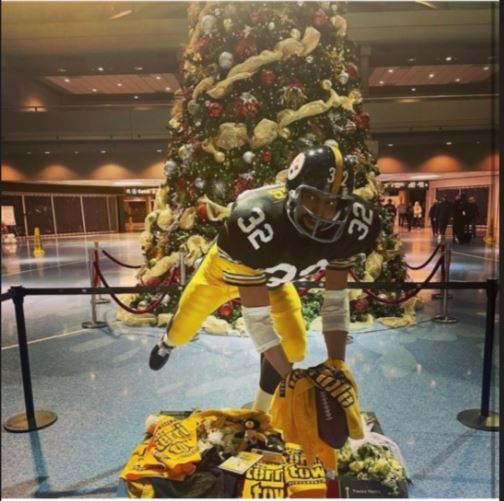
Dedicated to the memories of Art Rooney, Chuck Noll, Ernie Holmes, LC Greenwood, & Dwight White.




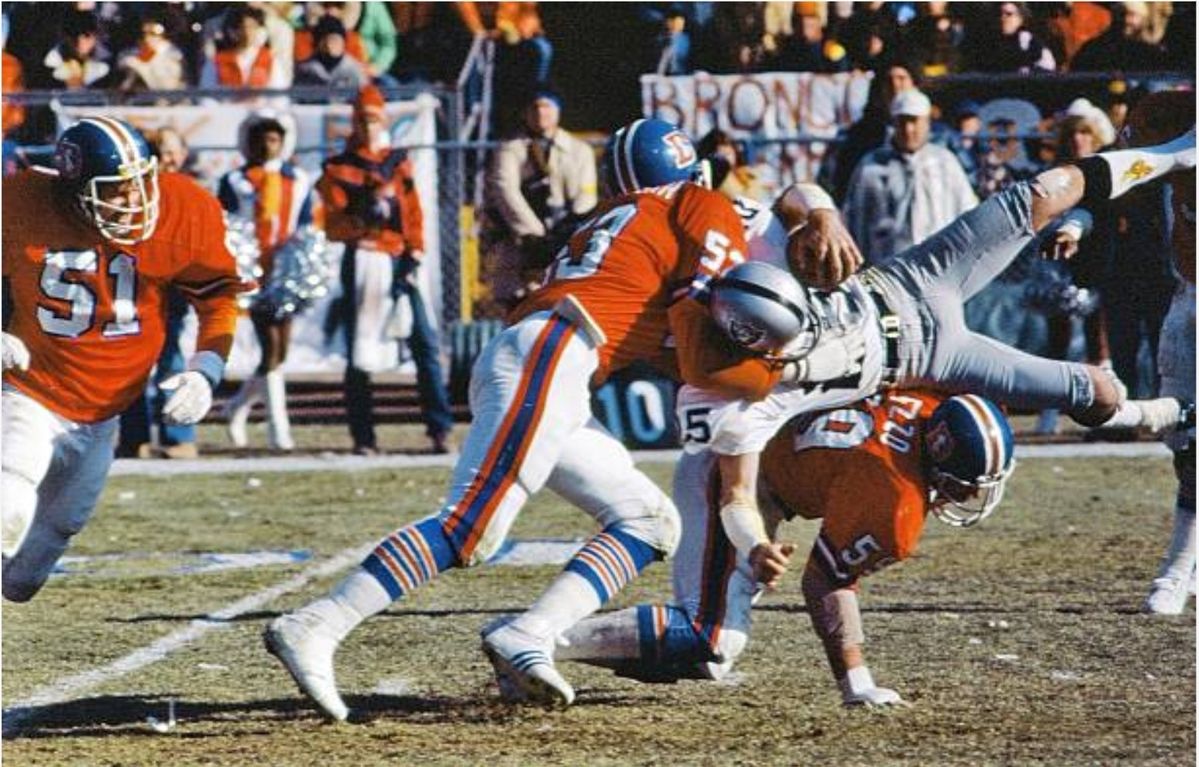 Led by Randy Gradishar, ESPN’s Tom Jackson, and the late Lyle Alzado this defense had an unheard of 4 All Pros concentrated on this defense and 5 Pro Bowlers. This not ready for primetime group came out of nowhere and swallowed the Steelers and Raiders in the playoffs before falling to Dallas in New Orleans in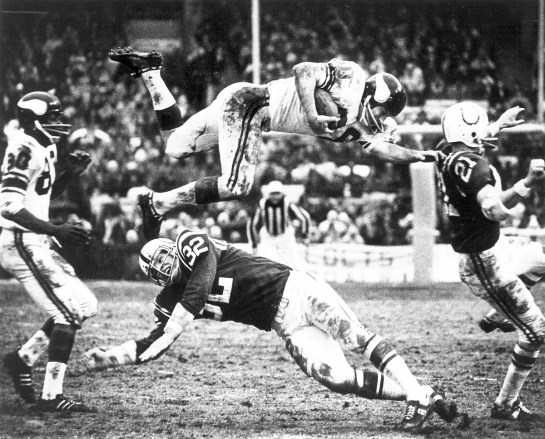
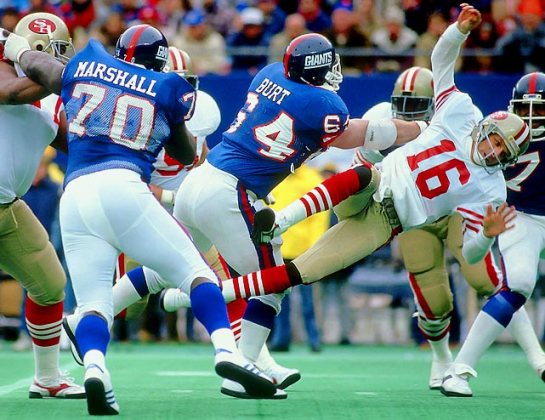


 Thanks for reading and please share the article.
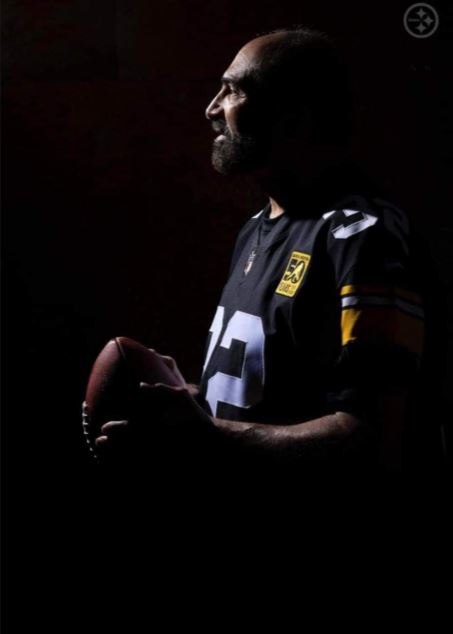

 Now all of us historians harken back to the great Steelers defense of the 1970’s and in particular focus on the ’74 draft where they selected 4 future Hall of Famers. Only Jack Lambert on the defense was drafted that year as FS Donnie Shell was an undrafted free agent. The Steel Curtain front four, Linebackers Ham and Russell had been assembled from 1963-74 when they broke through to win Super Bowl IX. Not one group that grew into menace from a single draft class.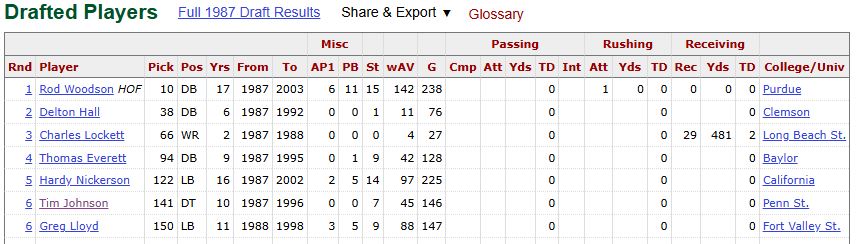
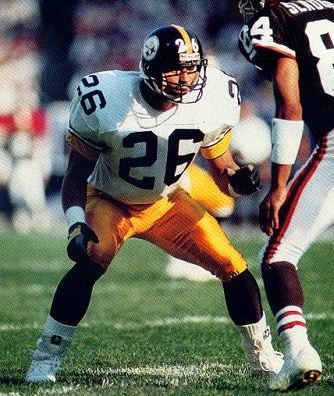 Rod went to the Pro Bowl 4 times at his new position and was All Pro twice for the Baltimore Ravens & Oakland Raiders. He was one of the leaders on one of the
 Now you’re thinking “wait, this isn’t greatest ever talent”… well…. going into the 1992 season the Cowboys Achilles’ heel was their secondary. Their draft tells you that picking up SS Darren Woodson, CB Kevin Smith, and CB Clayton Holmes in the first few rounds. In 1991, Dallas had lost to 4 run and shoot teams including a 38-6 drubbing to Detroit in the divisional round of the playoffs. The biggest blowout loss of any NFC team in the 1990’s. They had some coverage issues but Everett solidified the secondary, put players in good spots and made several plays that defined the Super Bowl XXVII rout of my Buffalo Bills. He helped turn the secondary into a team strength.
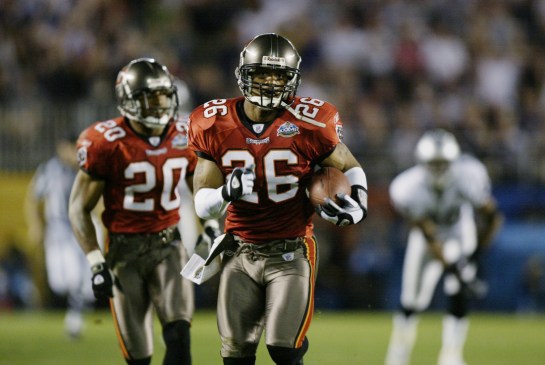
 Well… Nickerson became the centerpiece of Defensive Coordinator Floyd Peters’ 4-3 at Middle Linebacker and a terror was set loose. He became a sideline-to-sideline tracker and hit everything in sight. In ’93 he led the NFL in tackles with a leauge record 214 while making his 1st Pro Bowl and voted 1st team All Pro. It was only the 4th time a Tampa Bay defender was voted to the Pro Bowl in Hawai’i and the 2nd All Pro selection since the team’s inception in 1976.


You must be logged in to post a comment.