The AFL: A True American Success Story

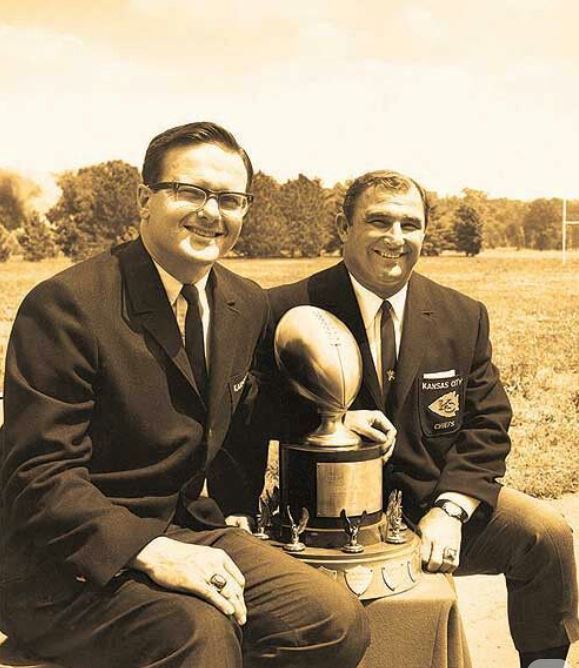
AFL Founder / Chiefs Owner Lamar Hunt with Hank Stram and the the 1966 AFL Trophy.

Article Reissue: 3, June 2011

As we just cleared the last hurdle on our way to Super Bowl LX in Santa Clara, its time to take a look back to the Super Bowl’s origins. The 1960’s when the upstart National Football League met its match with the American Fooball League horning into their territory. Keep in mind all of this started with a series of championship ring stories on social media a millenia ago. Without further adieu…

Unlike other leagues that popped up and died, the American Football League lives on in the American Football Conference of the modern NFL.  With a burgeoning economy after World War II, Americans turned their attention to a life of leisure during the 1950s. Sports became the outlet for most of America.

There was a clamor by many who felt slighted when it came to big league sports.  The furthest point west on the map where major professional sports was played, was Wisconsin & St Louis Missouri. Then something happened to change the landscape.  The AAFC football league folded and the San Francisco 49ers joined the NFL in 1950, along with the champion Cleveland Browns and Baltimore Colts.

This event helped propel the Cleveland Rams west to Los Angeles, where they joined San Francisco to be the first pro teams in California. Now other western cities wanted in on the action and all the other sports started to broaden their minds toward relocation.  Soon moves were made by an L.A. Councilwoman who massaged the beginnings of what came to be the Brooklyn Dodgers and New York Giants move to California in 1957.  Expansion was on soon with the Lakers in 1960 moving from Minneapolis.  Now Texans wanted an NFL team and had the money to gain an NFL franchise or so Lamar Hunt thought.
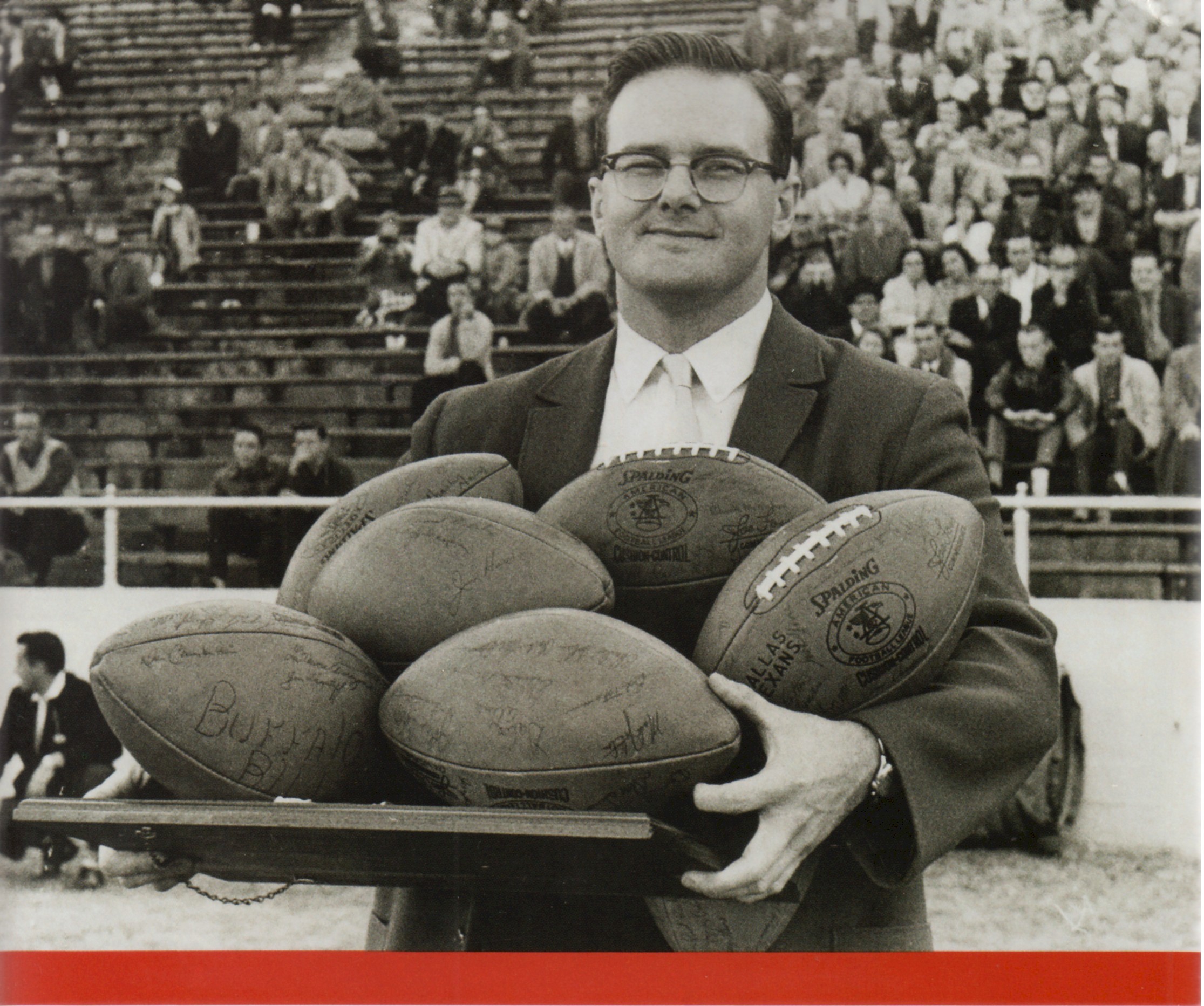
AFL and Kansas City Chief founder Lamar Hunt holding a platter of AFL footballs.

AFL and Kansas City Chief founder Lamar Hunt holding a platter of AFL footballs.

Then the NFL had the landmark 1958 NFL Championship overtime game between the New York Giants and Baltimore Colts that transformed the spark of interest into a flame. Hunt and principles moved quickly to form the American Football League since the NFL had thwarted their attempts to bring football to Texas. Now you have to understand who we’re talking about here for a second.  Lamar Hunt was son of H.L. Hunt of Hunt Brothers Oil! We’re talking seriously deep pockets here. The NFL in its arrogance thought they would outlast a fledgling league like the AAFC just a decade before….damn were they wrong.
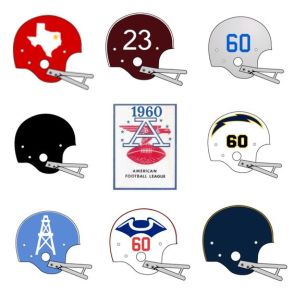
Once the idea of the AFL gained momentum, the NFL turned to espionage and tricky double dealing to sink the new league.  The eight cities that Hunt and the other AFL owners decided on were Dallas, Houston, Denver, Boston, New York, Los Angeles, Minneapolis, and Buffalo. However the NFL bent the ear of the Minnesota ownership group, and told them they would give them an NFL franchise if they would decieve their brethren, by defecting to the NFL at the last minute. It almost worked but the AFL scrambled to move the eighth team to its new home in Oakland. Meanwhile the NFL put a team in Dallas to compete with Hunt’s Dallas Texans, they were called the Cowboys.

The AFL had some seriously rich men that wanted to see it succeed in Bud Adams, Ralph Wilson, Lamar Hunt, and Barron Hilton yet there were other ownership groups that struggled to make ends meet as the league got off the ground in 1960. Many teams were losing money at record rates, some to the tune of a million dollars or more.

It was former Boston Patriot owner Billy Sullivan who coined the phrase “The Foolish Club” when listening to his colleagues joke about revenues lost.  However John Madden recalled a reporter asking Lamar’s father H.L. Hunt “What did he think of his son losing $1 million  a year??” Hunt’s answer was cryptic to the NFL and the sporting establishment’s ears when he replied “Well, he’ll be ok. At that rate he’ll only be able to go on for another 150 years.” Damn!!  On 1960’s dollars??  Yikes!!

Although the NFL had been around forever, for the first time they were up against wealthy men who gained their fortunes as titans of industry outside of football. NFL owners George Halas, Carroll Rosenbloom, Tim and Wellington Mara, George Preston Marshall, and Art Modell were primarily football men and knew their asses were in trouble.  If it came down to the AFL’s pockets they would be in for a battle they couldn’t win.

The first few years had the established sporting press scoffing at the league’s style of play, uniforms, retread players and coaches, you name it. This is an era where if you went against the establishment, you had more than an uphill battle just for acceptance….I mean the radical 60’s were not yet underway. Yet here they were continuing the plan on expanding professional football to more points within the United States.
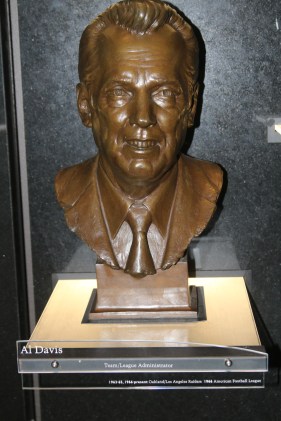
al-davis-bustOne of the first items the AFL did was secure a television contract to assist the teams that had financial problems like the Titans and Raiders.  The Raiders had also come to a point of folding when they contacted their fellow teams and said they couldn’t sustain operation financially.  Buffalo’s Ralph Wilson stepped in and lent the Raiders $450,000 to stay afloat because the league couldn’t operate with only 7 teams. As for the Titans and Harry Wismer, the Jets needed an ownership group that had the pockets and vision to rival that of the New York Giants. Enter Sonny Werblin.

Werblin spearheaded a group that purchased the bankrupt New York Titans, renamed them the Jets and helped negotiate the most lucrative television contract to date with NBC.  Over $1.8 million dollars went to each team in 1965 and with all of their teams solvent for future operation, new stadiums went up in San Diego (Los Angeles), Oakland, & Denver. Now the next move Werblin spearheaded was to draft Joe Namath and pay him a ridiculous $427,000 contract to be the star in New York. Uh oh…this single shot turned the draft into a who is going to pay the most for a players services between the two leagues.  Talk about impact.

An unwritten agreement existed between the two leagues to not sign each others current players.  Yet the NFL went underhanded, yet again, when the New York Giants signed kicker Pete Gogolak from the two time AFL Champion Buffalo Bills.  The AFL retaliated big time. It was recounted by Lamar Hunt, the founder of the Texans who had moved his team to Kansas City and renamed them the Chiefs, to meet Tex Schramm and discuss a possible merger. Hunt still lived in Dallas. They met at Love Field under the Texas Ranger statue and when the meeting was over, Hunt flew to Houston to elect Al Davis AFL Commissioner.  Joe Foss had been a good commissioner but now they needed a “war time President”.  Al Davis quickly helped teams realize they could bring the NFL to its knees if they created a bidding war by signing away their superstars.

The moves of signing away San Francisco quarterback John Brodie, Los Angeles’ Roman Gabriel, and Chicago’s Mike Ditka were the straw that broke the camel’s back.  The bidding for player’s talents had driven contracts up dramatically and the NFL grudgingly came to the table.  Al Davis was away about to sign another player when Hunt told him that they were going to meet the next day about a merger and they didn’t need the headlines. *Pay attention because this is the birthplace of the Chiefs / Raiders rivalry and the Al Davis against the world mentality takes place*  Davis signs the player which angers Hunt.

In the subsequent negotiations, the leagues agree to a merger with the two league’s champions playing in a new championship game, the Super Bowl, for the first four years and realignment into one all inclusive league in 1970.  Pete Rozelle remained commissioner over all of football, there was a common draft starting in 1966… and Al Davis….?? They left him out in the cold sort of…
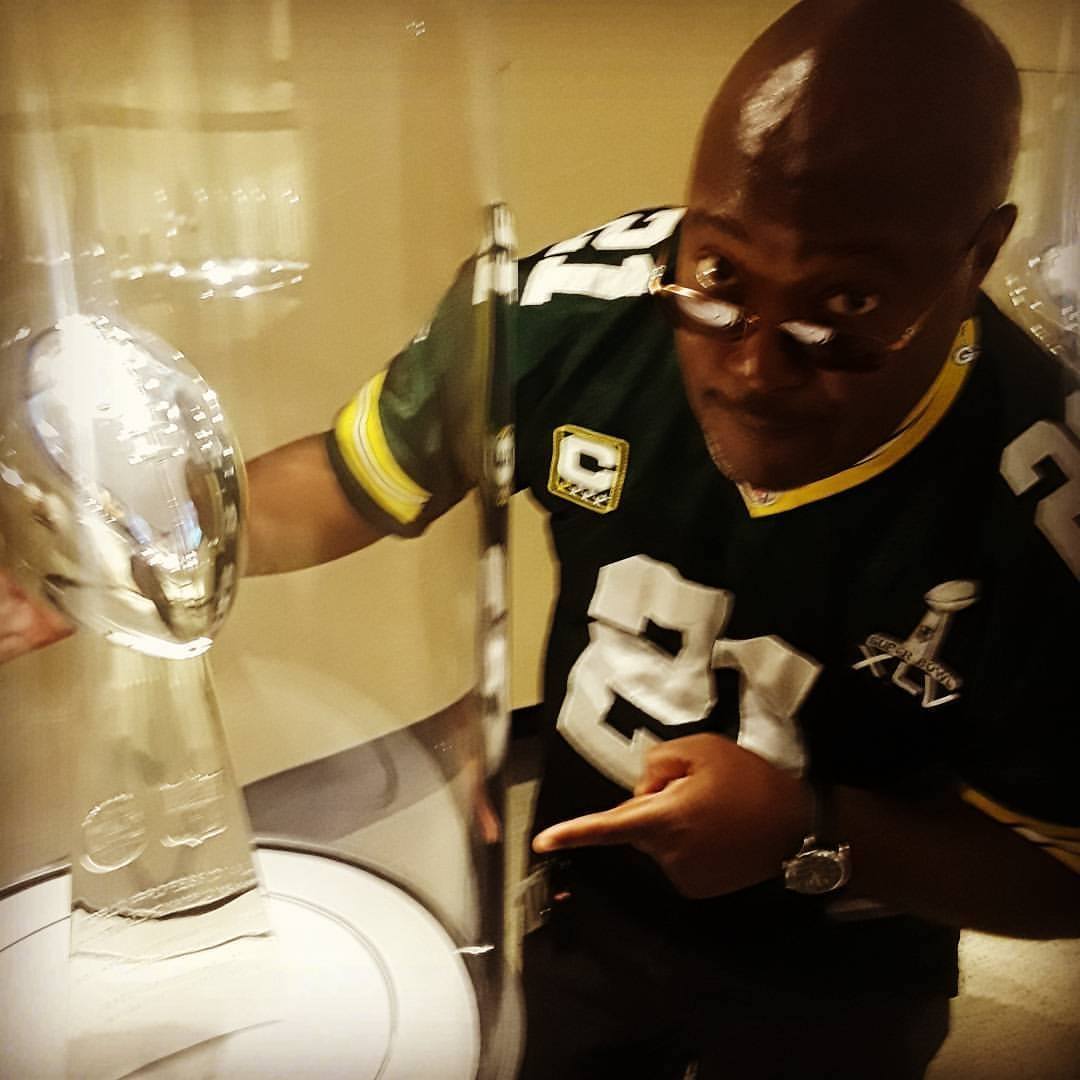
Super Bowl I Trophy sits in the Green Bay Packer Hall of Fame.

This is where he received his dubious ownership distinction and awkward title President of the Managing General Partner for the Raiders.  He had only been a coach before, yet one of the  items that seemed spineless is the NFL made the AFL’s teams pay $3 million in reparation damages each and had Al Davis been there would never have acquiesced to such a demand.  Not when they had the NFL crawling to the table.  It was this animosity toward Pete Rozelle, Bud Adams and especially the Kansas City Chiefs and Lamar Hunt that raged on for many years. *This is where the animosity between Davis and Rozelle fostered…remember the court battles of the 1980s between the Oakland Raiders v the NFL??*
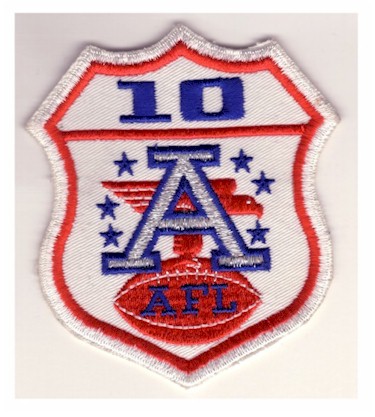
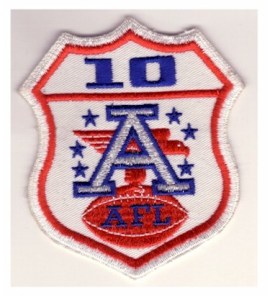
The patch worn by the Kansas City Chiefs on January 11, 1970 for Super Bowl IV. The final game of the AFL
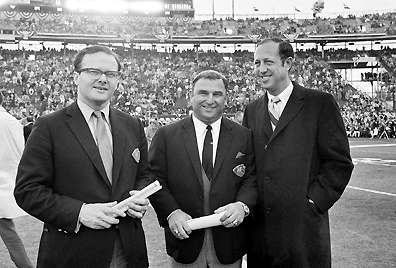
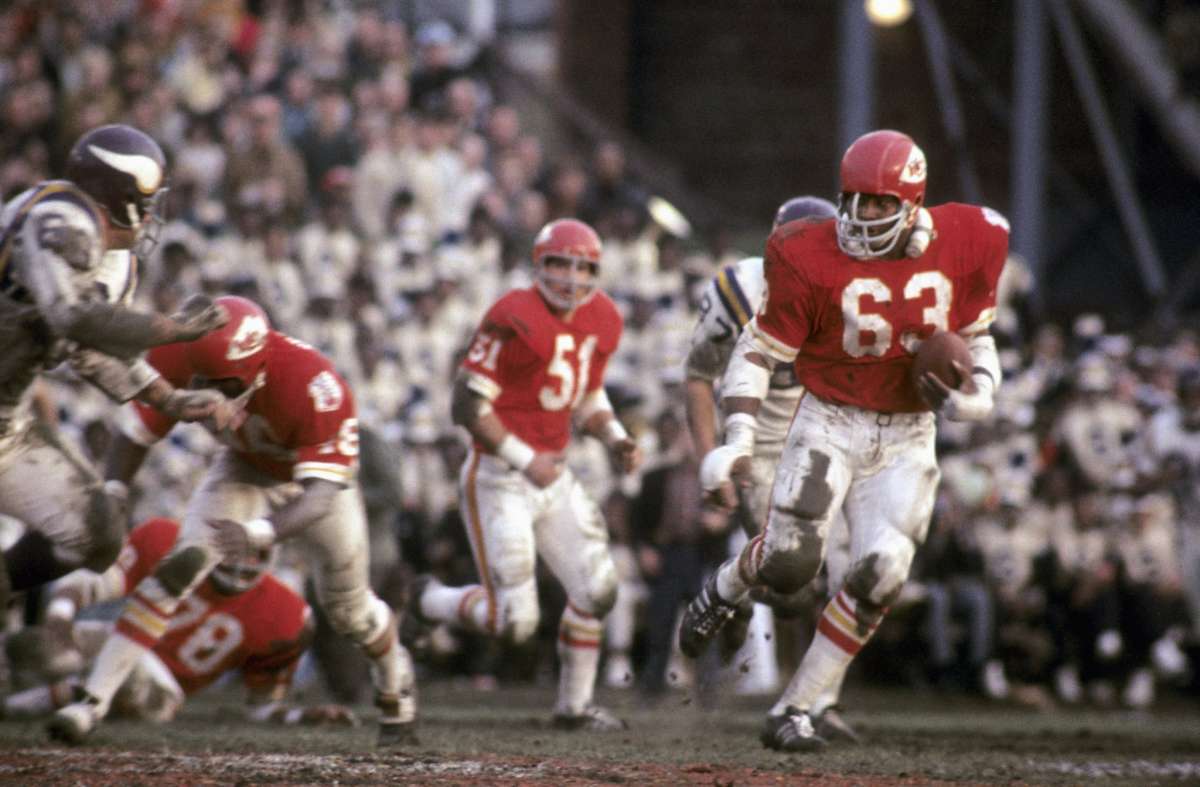
In the first two Super Bowls Green Bay bested Kansas City and Oakland respectively.  The landmark win came when the Jets upset Baltimore to show that the AFL was on a par in Super Bowl III.  Then with a twist of fate, the ownership group who traitorously tried to sink the AFL by defecting, came into Super Bowl IV against the Kansas City Chiefs and AFL founder Lamar Hunt.  In the last game ever for the AFL, Kansas City buried the Minnesota Vikings 23-7 to bring not only the Super Bowl record to 2-2 between the two leagues, but able to have the satisfaction of kicking Judas’ ass in the process.
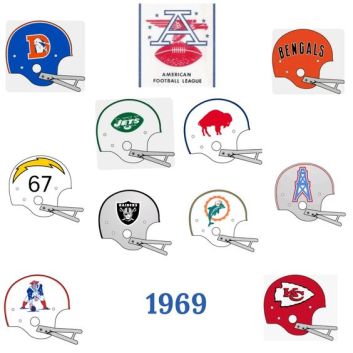
In conclusion: It was wrong to not include Davis and to me is the one of the few black eyes in this success story.  The AFL was swallowed into the monolith that is the NFL after expanding the AFL to 10 teams with Cincinnati, and Miami emerging.  These 10 teams were joined by the Pittsburgh Steelers, Cleveland Browns, and Baltimore Colts, yes the Baltimore Colts who gave the NFL a black eye with that first loss. They didn’t go empty handed, each club was paid $3 million to move to the new AFC.  Yet AFL loyalists such as Davis wished the two leagues stay separate, and he truly believed they would have eventually folded the NFL.
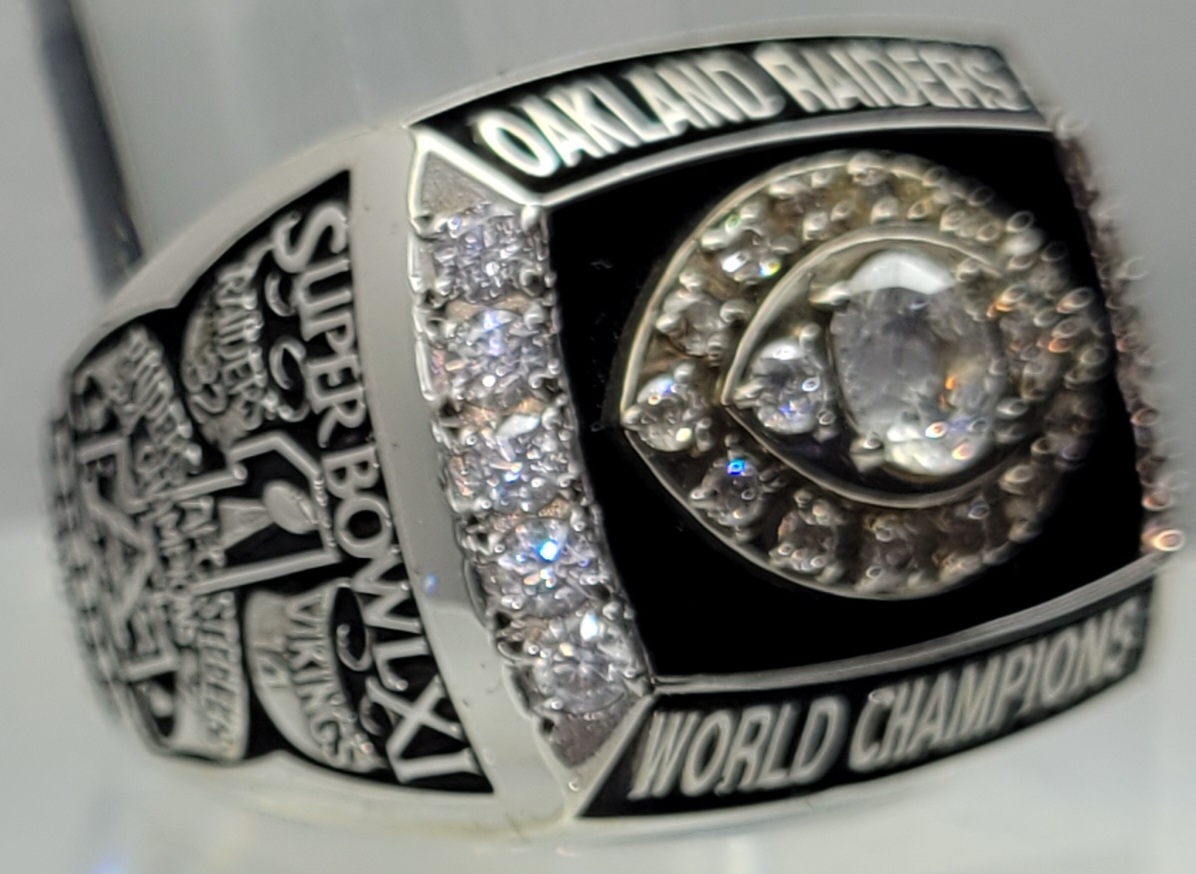
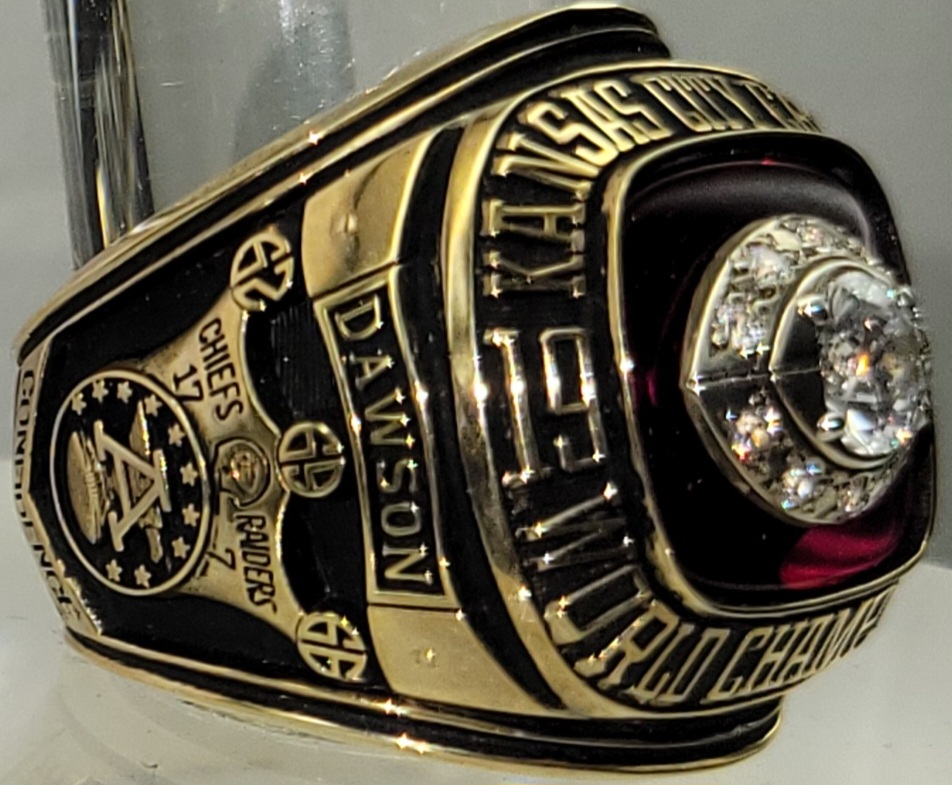
In fact in the 3 Super Bowls the Raiders won in the post merger NFL, Davis always used the AFL logo and not the bold modified block “A” of the AFC on their Super Bowl rings.  He didn’t relent until the 2002 AFC championship ring where he finally used the AFC “A”.
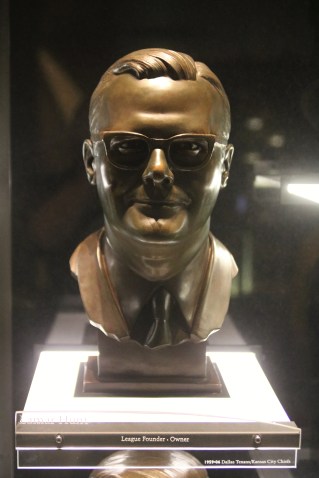
hof-lamar-huntThere you have it…how the AFL changed the sporting landscape after the first shot was fired by the folding of their predecessors, the AAFC.  San Francisco’s entering the NFL doesn’t get the impact that it should because so much focus was on champion Cleveland coming over.  The western expansion of American Football owes a debt of gratitude to the 49ers yet even more to those original owners.

Thanks for reading and please share the article.

On This Date 1971: The Longest Game Ever Played – Kansas City Chiefs v Miami Dolphins

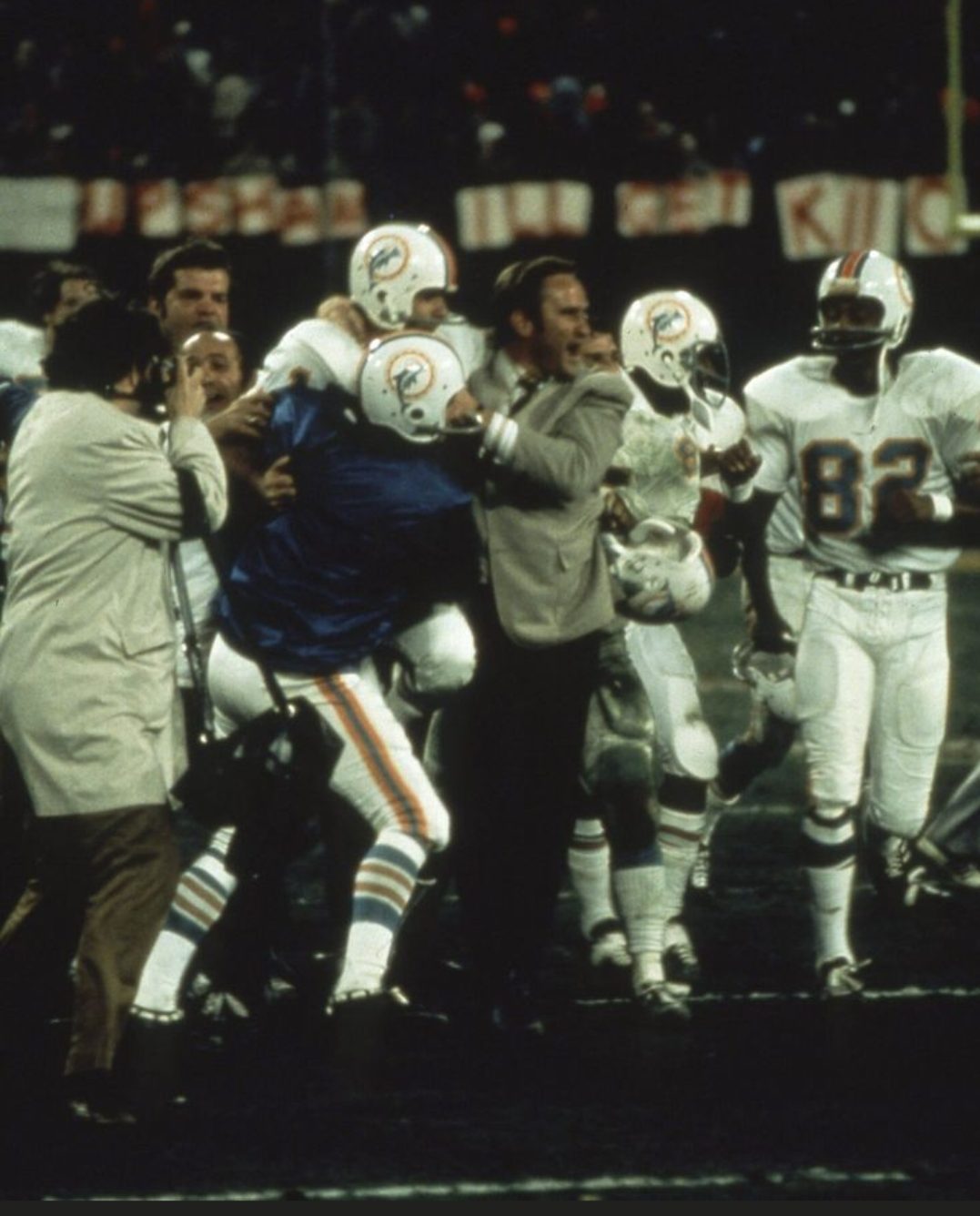
The Miami Dolphins outlasted the Kansas City Chiefs 27-24 in the longest game in NFL history. Christmas Day 1971 they played well into 6 quarters or more than 82 minutes of playing time.

Here at Taylor Blitz Times, we for one don’t like the fact the NFL buckled and gave in to juvenile thinking when it came to the NFL’s overtime rule. Everyone must touch the ball once?? What is this, second grade girl’s soccer??

Our CEO loved the thought of sudden death overtime. You had four full quarters to win a football game. The two point conversion was introduced in 1994 so that a team can win it in regulation yet NFL coaches are too soft and won’t roll the dice and win it in one play. If you don’t, you’re involved in a winner take all overtime where the game can be won on offense, defense, or special teams. Play was heightened with players realizing one mistake, a blown coverage, fumble, interception, or penalty could cost your team its season. It made for great theater.

One such game happened shortly after the AFL/NFL merger in 1970. The upstart Miami Dolphins were facing a perennial heavyweight in the Kansas City Chiefs in an AFC Divisional playoff.

Why do we mention the AFL??

For one, both teams were rooted in the rival league. Second, it was the Baltimore Colts with Head Coach Don Shula that lost Super Bowl III that legitimized the merger. In the aftermath of the Baltimore Colts’ embarrassment losing that game, Don Shula amid tense corporate pressure, decided to move on and take the head coaching job in Miami.  He quickly whipped the Dolphins into shape and they made the playoffs in each of his first two seasons there. In 1970 they were bested by a veteran Raider team in an AFC Divisional Playoff in Oakland and many felt the same way about them traveling to Kansas City for the ’71 playoff.

Another reason we mention the AFL was this was the last game ever to be played in Municipal Stadium. One of the AFL’s great stadiums through the 1960’s as the Kansas City Chiefs had been perennial winners there. It would be left behind as the Chiefs moved on to Arrowhead Stadium as the NFL moved on to future years of prosperity with new antiseptic ballparks.

The newer stadiums lacked individual culture as the 70’s dawned and it was as though teams were leaving a piece of their soul when they left old places behind. This was where Lamar Hunt had moved his team in 1963, to keep the fight along with league brothers against the NFL and won. Sure they were going to live on in the American Football Conference of the NFL, but it wasn’t going to be the same.

The Kansas City Chiefs were an older team and 1972 would be their last hurrah. They had finished as the AFL’s winningest team going 87-48-3, appearing in the first Super Bowl, then winning the fourth edition over Minnesota down in New Orleans. The team had just parted ways with All-time All AFL DE Jerry Mays and team leader C/LB E.J. Holub to retirement  in 1970. Even RB Mike Garrett was gone to the San Diego Chargers by this time, replaced by Ed Podolak.

These men along with holdovers QB Len Dawson, WR Otis Taylor, LBs Bobby Bell, and Willie Lanier had led the Chiefs for much of the 1960s as they worked to get owner and AFL Founder Lamar Hunt that elusive Super Bowl trophy. They were an older team lead by Dawson 36 yrs of age, Taylor turning 30 within a year, Bobby Bell was 31 and FS Johnny Robinson was 33. Various retirements were coming but they had finished 1971 with a 10-3-1 record and if they could get through this postseason, win it all, then they could go their separate ways. All they had to do was get through Miami and…

Fleming scores the tying TD that forced the game to overtime.

After this game the Dolphins went on to defeat the Baltimore Colts 21-0 in the AFC Championship Game which put them in Super Bowl VI. It was further satisfying for Shula for he defeated Carroll Rosenbloom and the Colts for whom he once coached. In the same stadium as Super Bowl III no less. Within a year, Rosenbloom was so disenchanted with owning the Colts who would have to rebuild, he swapped franchises with Robert Irsay who owned the Los Angeles Rams. Within 6 years he would marry Georgia, drown and that is how Georgia Rosenbloom-Frontiere became owner of the Rams. All aftermath of Super Bowl III.

Don Shula’s Dolphins would lose Super Bowl VI but would return and win VII & VIII becoming one of the great teams in NFL history. He went on to coach Miami through the 1995 season where he went on to win more games than any other coach with 347 wins. This was his first postseason win with the Dolphins that launched them as an NFL elite member for many years to come.

The AFL Logo of the Kansas City Chiefs

The AFL Logo of the Kansas City Chiefs

As for the Chiefs, the mystique of who they were as an AFL power was gone as they would not return to the playoffs for 15 years. Len Dawson, Bobby Bell, and Head Coach Hank Stram went on to the Pro Football Hall of Fame. However Johnny Robinson and Jerry Mays have been glaring omissions.

Each of which played most of their careers over in the “other league” and have been treated like such by the writers who make up the voting panel for the Hall of Fame. The late Jerry Mays should have had that honor bestowed upon him before his death in 1994. Although he didn’t play in this game, the legacy /era of the old AFL Kansas City Chiefs closed Christmas of 1971.

The Miami Dolphins outlasted the Kansas City Chiefs 27-24 in the longest game in NFL history. Christmas Day 1971 they played well into 6 quarters or more than 82 minutes of playing time.

Thanks for reading and please share the article.
The History of The AFL: Making Amends

As The Chancellor of Football, it’s imperative the history of the NFL and AFL is preserved and showcased for future generations. A best friend to Taylor Blitz Times has been Chris Burford. Not only was he the starting wideout for the Kansas City Chiefs in Super Bowl I, he was the first player signed in the history of the American Football League. He also suggested a great book to me last year. The Ten Gallon War which covered the days when the Chiefs / Dallas Texans battled the Cowboys for the heart of Dallas.

chris burfordAt the end of the highlight for Super Bowl I, he’s the one who puts on the Cowboy hat and heads out as John Facenda’s voice offers “In another year it will be the turn of the AFL. But this first spectacle of a sport belonged to Green Bay.”

These words echoed in my mind when Chris commented on an article which was the earlier incarnation of one I did on the ’66 Chiefs here.

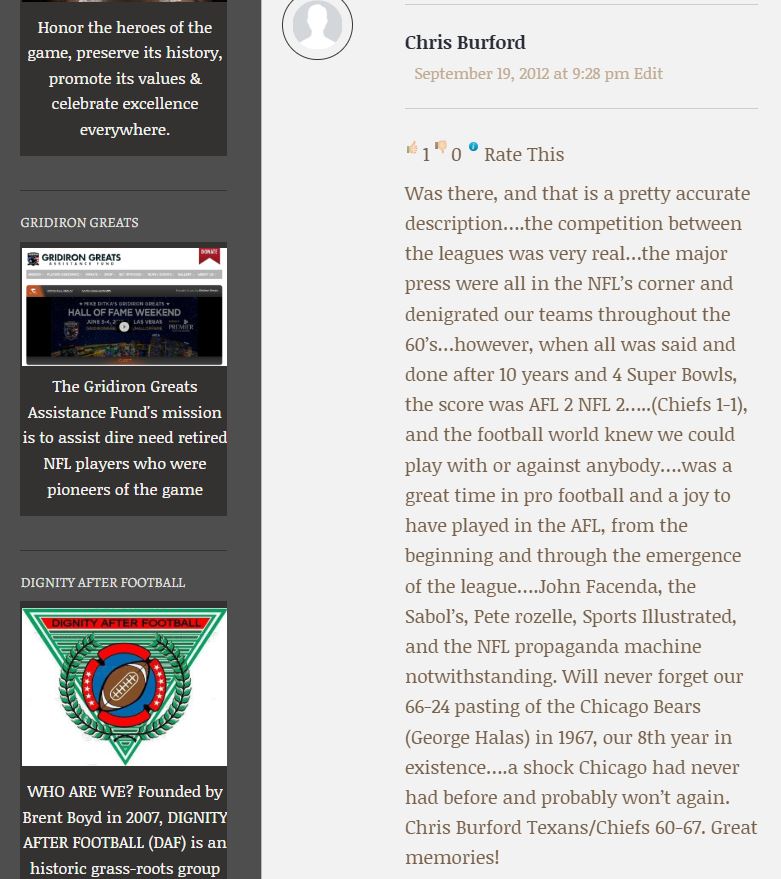
“The major press were all in the NFL’s corner and denigrated our teams throughout the 60′s…however, when all was said and done after 10 years and 4 Super Bowls, the score was AFL 2 NFL 2…..(Chiefs 1-1), and the football world knew we could play with or against anybody….was a great time in pro football and a joy to have played in the AFL, from the beginning and through the emergence of the league….John Facenda, the Sabol’s, Pete Rozelle, Sports Illustrated, and the NFL propaganda machine notwithstanding.”

Full comment and original article here.

I thought it would be fitting to share with Chris one of my older archives where the late Steve Sabol had the late John Facenda narrate The History of The AFL. It’s told in a very respectful vain. The importance of this is even in the highlight for Super Bowl III, NFL Films narrated it with an NFL slant. Steve Sabol some time around 2000, later apologized for it. Going over the top about “One more moment for the master”- John Unitas trying to bring the Colts from behind instead of focusing on Joe Namath, the AFL, and the Jets victory. Which further validates Chris’ point.

So without further adieu lets take you back to this gem recorded in 1987 yet was produced in 1982.

Unfortunately I started two a day practice and didn’t get the other two shows recorded. What most folks don’t understand is there is still a battle between the AFL and NFL. For those that were there, some like Al Davis, didn’t want a merger. Others went on yet have their memories intact of the 10 year war and are fighting to be remembered and recognized. How the late DE Jerry Mays and FS Johnny Robinson were on the All Time AFL team, yet not in the Pro Football Hall of Fame, are glaring omissions.

Websites like mine and Todd Tobias’ Tales From The American Football League  and esteemed AFL historian Ange Coniglio’s Remember The AFL do what we can to recognize these players.  I know this doesn’t totally make amends Chris but something I wanted to share this Memorial weekend.

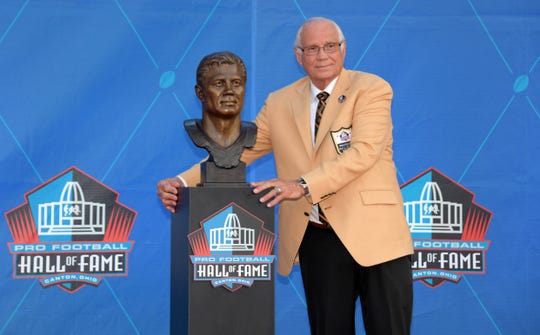
JohnnyRobinsonPFHoFbustPostscript: 3, December 2019:  Last August, the Pro Football Hall of Fame inducted Kansas City Chiefs great FS Johnny Robinson (finally) for his contributions to pro football back in the American Football League. An honor long overdue and ironically every time Chris would interact and talk about great players of the past, not one conversation would go by without mention that Robinson belonged in Canton. Not one.

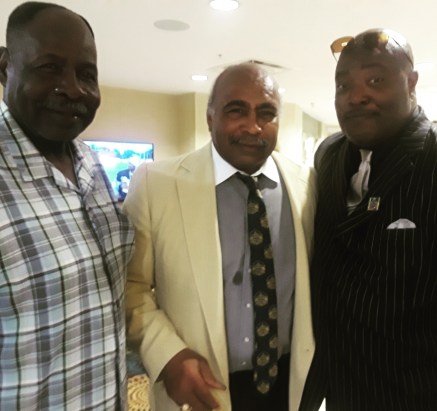
I was unable to attend the PFHoF ceremony in 2019 however I did run into Robinson’s teammates and fellow Hall of Famers Willie Lanier and Emmitt Thomas after the 2018 Gold Jacket Dinner in Canton.

chancellor.e.thomas.w.lanier

Hall of Fame CB Emmitt Thomas and MLB Willie Lanier of the 69 AFL Champion Chiefs.

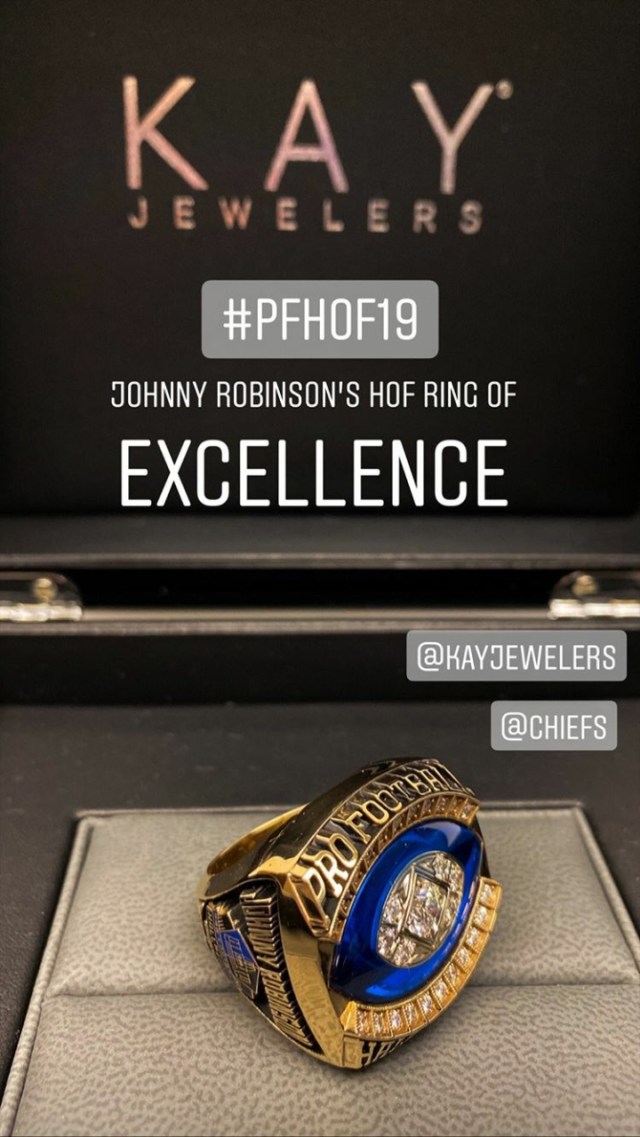
On the day Robinson was to receive his Hall of Fame ring during a half time ceremony earlier this year, here is what graced the PFHoF Instagram page:

JohnnyRobinsonPFHoFringCongratulations Johnny Robinson on your Hall of Fame Induction!! Taylor Blitz Times salutes you.

Again Chris it doesn’t totally make amends but know you pioneers haven’t been forgotten. Raising a glass to toast you all.

Thanks for reading and please share the article.

SUPER BOWL IV CHAMPION 1969 KANSAS CITY CHIEFS

Super Bowl IV in ancient Tulane Stadium, the scene for Kansas City’s 23-7 win over the Minnesota Vikings in the last ever AFL game. The merger followed this game and to have the score after 4 games: AFL 2 wins, NFL 2 wins, was poetic justice since the two leagues battled for a decade. So many ironies during this era it’s hard to choose where to begin…but we have to start somewhere right?


We’ll start with an epilogue I posted with the 1966 Chief’s AFL Championship ring on the origins of the Kansas City Chiefs and the Minnesota Vikings and the irony of those two teams facing each other in the last ever game of the AFL.

The AFL was originally going to have a franchise in Minnesota and in a move of espionage out of James Bond, cold war, double agent dealing, the NFL told the owners of that franchise to stay quiet and at the last minute award them an NFL franchise in 1960 to try to sink the new league. The AFL couldn’t’ operate with only 7 teams. Fittingly the last game in the history of the AFL, Super Bowl IV, Kansas City beat Minnesota 23-7 to offer some payback.

super-bowl-logo-1969


What happened to the team that would have been in Minnesota you ask? They went west and became the Oakland Raiders the Chiefs main rival. As irony would have it, they too bested Minnesota in a Super Bowl winning the 11th edition 32-14. So when you think of the Vikings of the 70’s and their 4 Super Bowl losses, karma caught up to them for what happened in 1960…folks I can’t make this stuff up.

sbiv2This game was significant because NFL loyalists still weren’t giving the AFL its due after the crushing loss in Super Bowl III. Thought it was just a fluke. One of the great things about the AFL was its close camaraderie between the players and teams, knowing they were only part of an overall league fighting for their respect. They each played their part and they represented their league.

Joe Namath recalled when the New York Jets returned to their hotel after beating Baltimore in Super Bowl III, he could remember being greeted by Emmitt Thomas, Buck Buchanan, and Willie Lanier (Chiefs) as told on HBO’s History of the AFL circa 1995. Len Dawson (Chiefs QB) was also in the stands for the Jets monumental win over Baltimore so to have this group carry the banner into the last Super Bowl and last game in the AFL’s history had personal weight, league-wide weight, and TOTAL legitimacy for the AFL’s legacy with another win.
sbiv3

Hall of Fame CB Emmitt Thomas and MLB Willie Lanier of the 69 AFL Champion Chiefs.

Another significant point to this team is that this was the first Super Bowl champion that African American’s comprised half their roster and had the first Mexican American QB to get a ring in Tom Flores. However the 1969 Minnesota Vikings sported the first Mexican American to quarterback his team to the Super Bowl in Joe Kapp (never understood why they don’t have larger Hispanic followings with these significant historic backdrops).

The Minnesota Vikings had departed with Fran Tarkenton and brought Joe Kapp (California Bears) from Canada to play quarterback. He threw ugly passes and played football from his gut and as a fearless leader who avenged a playoff loss the year before against Baltimore. In 1968 the Colts were regarded as the greatest team with the greatest defense ever. The Colts beat Minnesota 24-14 in a divisional playoff match where they sacked and hit Kapp repeatedly.

In 1969, game 2 he threw for a record 7TDs in a rematch with the Colts to wrest the NFL dominance mantle from them winning 52-14. The Vikings went on to finish the season on a 12 game winning streak and break the Colts 1968 defensive record of 144 points allowed with 133. The 12 game winning streak to finish the season was the longest the NFL had seen in 35 years. Yikes, they were steamrolling to the Super Bowl…all they have to do was win this last game.

Kansas City, like Green Bay before them resembled what future NFL teams would look like. That defense with Willie Lanier, Bobby Bell, and Jim Lynch at the linebacker spots. Two that are in the Hall of Fame (Bell and Lanier…in fact Bobby Bell was the first outside linebacker inducted into the Hall of Fame) and one that should be in Jim Lynch. Jim Marsalis, and Emmitt Thomas at the cornerback spots. To imagine Emmitt Thomas, think of a little lighter Mel Blount. Johnny Robinson and Patrick Kearney were interchangeable safeties.

Lanier’s 4th quarter interception sealed the Vikings fate in Super Bowl IV.

Then you have the front four: Aaron Brown, Jerry Mays (AFL all decade team member), Buck Buchanon, and Curley Culp were as physical as the Steelers of the 70’s with less notoriety because they played in the AFL. They made it to the big stage this day. All this before I get into Hall of Famer Len Dawson and WR Otis Taylor who should be…then versatile Mike Garrett, Warren McVea, and Robert Holmes running the ball as a group. This was a complete team and one of the most powerful Champions ever.

Thanks for reading and by the way if you wanted to see Super Bowl IV in its entirety, click the link “Super Bowl IV” at the start of this article.

Enjoy

The Soul Of The Game – Fred Williamson

The helmet Fred "The Hammer" Williamson wore with the Kansas City Chiefs.

The helmet Fred “The Hammer” Williamson wore with the Kansas City Chiefs.

When you think of the wild west scoring of the AFL, you think of long bombs, high scores, quarterbacks going for broke. Well, someone had to be deployed to stop those receivers and that’s where Fred Williamson comes in.  He was the “original” AFL shut down corner with the Oakland Raiders when he arrived in 1961.

There just isn’t a lot of footage on Fred Williamson’s early days. NFL Films didn’t acquire a lot of the old footage until after the merger agreement of 1966 so they exclusively used Kansas City Chiefs footage.

However he was an AFL All Star in 1961, ’62, and ’63 and was chosen 1st team All Pro in 1962 and 1963. Consider the fact he achieved All Star status with 5 int. with 58 yards in returns for a 2-12 Raider team. His best season was in 1962 which was his first as an All Pro, he intercepted 8 passes returning them for 151 yards and a touchdown. This he achieved on a 1-13 Raiders team that had two coaches and preceded Al Davis. In an 8 team league where the Raiders finished last on offense and second to last on defense, he was 1st team All Pro and the only player on the team to achieve any honors.

An autographed pic of Fred Williamson with Al Davis. He was the first guy to wear white shoes, not Joe Namath. Joe came into the AFL in 1965 when Williams stopped playing for the Raiders in 1964.

An autographed pic of Fred Williamson with Al Davis. He was the first guy to wear white shoes, not Joe Namath. Joe came into the AFL in 1965 when Williams stopped playing for the Raiders in 1964.

Those are high numbers for a cornerback who played for a team that was always behind and teams were running the clock out on them.

After intercepting 25 passes for the Raiders for 4 years, Williamson became a Chief and finally played for a winner. He teamed with all time AFL interception leader S Johnny Robinson to form arguably the best secondary in AFL history.

For all the talk of the “point a minute” reputation of the AFL, the 1966 Chiefs were dominant on defense. In a 14 game season teams threw away from “The Hammer’s” side of the field. So much so that both safeties Robinson and Bobby Hunt intercepted 10 passes each and the team grabbed 33 as a unit.

In the AFL Championship Game, the two time defending champion Buffalo Bills were eyeing a three-peat when Williamson nearly beheaded receiver Glenn Bass. It took the fight out of the Bills much like the Mike Stratton hit on Keith Lincoln in the 1964 championship, knocked the fight out of the Chargers giving Buffalo the momentum and emotional advantage.

Fred’s hit should have been remembered in the same light…

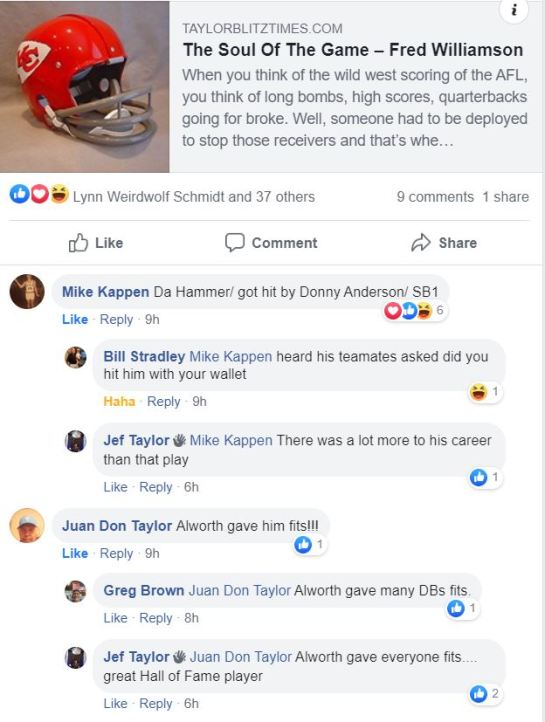
Fred “The Hammer” Williamson was the AFL’s version of the shutdown corner if there was one. Had the Kansas City Chiefs won Super Bowl I his legend would be greater and might have his inclusion in the Pro Football Hall of Fame.

Thanks for reading and please share the article.

fred1

Fred2

Taylor Blitz Times new logo!!

Taylor Blitz Times new logo!!

On This Date 1971: The Longest Game Ever Played – Kansas City Chiefs v Miami Dolphins

The Miami Dolphins outlasted the Kansas City Chiefs 27-24 in the longest game in NFL history. Christmas Day 1971 they played well into 6 quarters or more than 82 minutes of playing time.

Here at Taylor Blitz Times, we for one don’t like the fact the NFL buckled and gave in to juvenile thinking when it came to the NFL’s overtime rule. Everyone must touch the ball once?? What is this, second grade girl’s soccer??

Our CEO loved the thought of sudden death overtime. You had four full quarters to win a football game. The two point conversion was introduced in 1994 so that a team can win it in regulation yet NFL coaches are too soft and won’t roll the dice and win it in one play. If you don’t, you’re involved in a winner take all overtime where the game can be won on offense, defense, or special teams. Play was heightened with players realizing one mistake, a blown coverage, fumble, interception, or penalty could cost your team its season. It made for great theater.
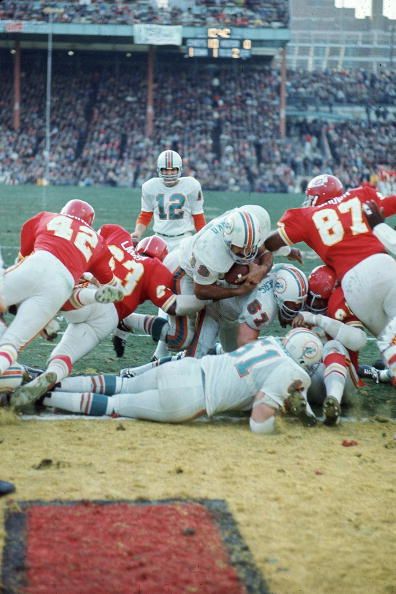
One such game happened shortly after the AFL/NFL merger in 1970. The upstart Miami Dolphins were facing a perennial heavyweight in the Kansas City Chiefs in an AFC Divisional playoff.

Why do we mention the AFL??

For one, both teams were rooted in the rival league. Second, it was the Baltimore Colts with Head Coach Don Shula that lost Super Bowl III that legitimized the merger. In the aftermath of the Baltimore Colts’ embarrassment losing that game, Don Shula amid tense corporate pressure, decided to move on and take the head coaching job in Miami.  He quickly whipped the Dolphins into shape and they made the playoffs in each of his first two seasons there. In 1970 they were bested by a veteran Raider team in an AFC Divisional Playoff in Oakland and many felt the same way about them traveling to Kansas City for the ’71 playoff.

Another reason we mention the AFL was this was the last game ever to be played in Municipal Stadium. One of the AFL’s great stadiums through the 1960’s as the Kansas City Chiefs had been perennial winners there. It would be left behind as the Chiefs moved on to Arrowhead Stadium as the NFL moved on to future years of prosperity with new antiseptic ballparks.
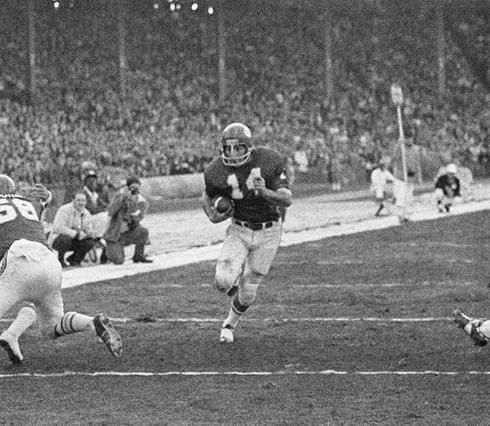
The newer stadiums lacked individual culture as the 70’s dawned and it was as though teams were leaving a piece of their soul when they left old places behind. This was where Lamar Hunt had moved his team in 1963, to keep the fight along with league brothers against the NFL and won. Sure they were going to live on in the American Football Conference of the NFL, but it wasn’t going to be the same.

The Kansas City Chiefs were an older team and 1972 would be their last hurrah. They had finished as the AFL’s winningest team going 87-48-3, appearing in the first Super Bowl, then winning the fourth edition over Minnesota down in New Orleans. The team had just parted ways with All-time All AFL DE Jerry Mays and team leader C/LB E.J. Holub to retirement  in 1970. Even RB Mike Garrett was gone to the San Diego Chargers by this time, replaced by Ed Podolak.
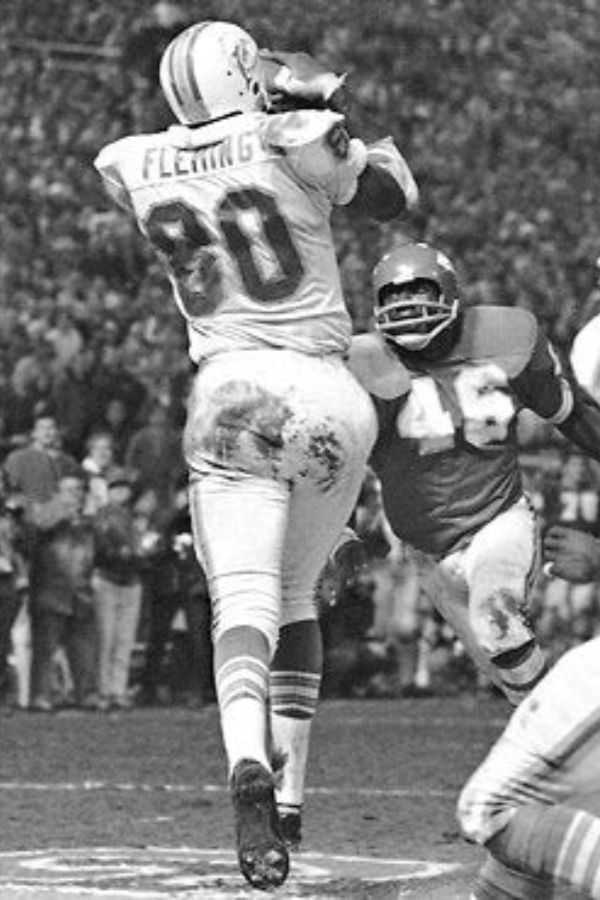
These men along with holdovers QB Len Dawson, WR Otis Taylor, LBs Bobby Bell, and Willie Lanier had led the Chiefs for much of the 1960s as they worked to get owner and AFL Founder Lamar Hunt that elusive Super Bowl trophy. They were an older team lead by Dawson 36 yrs of age, Taylor turning 30 within a year, Bobby Bell was 31 and FS Johnny Robinson was 33. Various retirements were coming but they had finished 1971 with a 10-3-1 record and if they could get through this postseason, win it all, then they could go their separate ways. All they had to do was get through Miami and…

Fleming scores the tying TD that forced the game to overtime.

After this game the Dolphins went on to defeat the Baltimore Colts 21-0 in the AFC Championship Game which put them in Super Bowl VI. It was further satisfying for Shula for he defeated Carroll Rosenbloom and the Colts for whom he once coached. In the same stadium as Super Bowl III no less. Within a year, Rosenbloom was so disenchanted with owning the Colts who would have to rebuild, he swapped franchises with Robert Irsay who owned the Los Angeles Rams. Within 6 years he would marry Georgia, drown and that is how Georgia Rosenbloom-Frontiere became owner of the Rams. All aftermath of Super Bowl III.

Don Shula’s Dolphins would lose Super Bowl VI but would return and win VII & VIII becoming one of the great teams in NFL history. He went on to coach Miami through the 1995 season where he went on to win more games than any other coach with 347 wins. This was his first postseason win with the Dolphins that launched them as an NFL elite member for many years to come.

The AFL Logo of the Kansas City Chiefs

The AFL Logo of the Kansas City Chiefs

As for the Chiefs, the mystique of who they were as an AFL power was gone as they would not return to the playoffs for 15 years. Len Dawson, Bobby Bell, and Head Coach Hank Stram went on to the Pro Football Hall of Fame. However Johnny Robinson and Jerry Mays have been glaring omissions.

Each of which played most of their careers over in the “other league” and have been treated like such by the writers who make up the voting panel for the Hall of Fame. The late Jerry Mays should have had that honor bestowed upon him before his death in 1994. Although he didn’t play in this game, the legacy /era of the old AFL Kansas City Chiefs closed Christmas of 1971.

The Miami Dolphins outlasted the Kansas City Chiefs 27-24 in the longest game in NFL history. Christmas Day 1971 they played well into 6 quarters or more than 82 minutes of playing time.

Thanks for reading and please share the article.