SUPER BOWL XIII CHAMPION 1978 PITTSBURGH STEELERS

In the “Battle of Champions”, Super Bowl XIII on January 21, 1979 the defending champion Cowboys took on the Steelers in deciding who was to be the team of the decade. The first Super Bowl with a kickoff pushed back so that it would conclude in front of a primetime audience.

xiiipsThis was arguably one of the best Super Bowls of the first 25 that were played. Even though the Steelers had bested Dallas in Super Bowl X, this could make things even.  The discrepancy of 10 Steelers in the Hall of Fame vs. 3 for Dallas is beyond ridiculous considering Pittsburgh barely won 35-31.  Of course Cowboy fans point to a bogus “incidental contact” pass interference call between Benny Barnes and Lynn Swann, then you have the Jackie Smith dropped pass…nevertheless referee Fred Sweringen blew that interference call…it’s important because John Stallworth was out for the second half and the Steelers couldn’t move the ball.

Let’s take a trip back in time. Aside from Oakland and Miami, the Steelers and Cowboys were viewed as the best teams of the 1970’s.  The Steelers had won it all in 1974 and returned to the Super Bowl as a powerful defending champion. Pittsburgh repeated as champions and established themselves as a dynasty.  They dropped off the championship mantle for ’76 and ’77 yet were poised to return in 1978.

xiiips2In their absence the Dallas Cowboys had retooled themselves and ascended to the Super Bowl XII championship with Heisman Trophy winner Tony Dorsett added to the mix. The young players that joined the Cowboys in 1975 like Thomas “Hollywood” Henderson, and Randy White were now starters and superstars.  Now they were set to do what Pittsburgh had done and repeat as Super Bowl champions.  So for the second time they’d meet in a Super Bowl with one team coming in as a defending champion.

In 1978, the NFL saw rule changes that allowed receivers to only be chucked within 5 yards of the line of scrimmage. This “Mel Blount rule” along with a rule allowing pass blockers to extend their arms liberalized the passing game. Terry Bradshaw and the Steelers became a new team as he led the league with 28 TDs thrown. The Steel Curtain wasn’t as stout as it had been in the mid 70’s yet they allowed the fewest points in the first 16 game season with 195 allowed. Franco Harris was still a 1,000 yard rusher at this time.
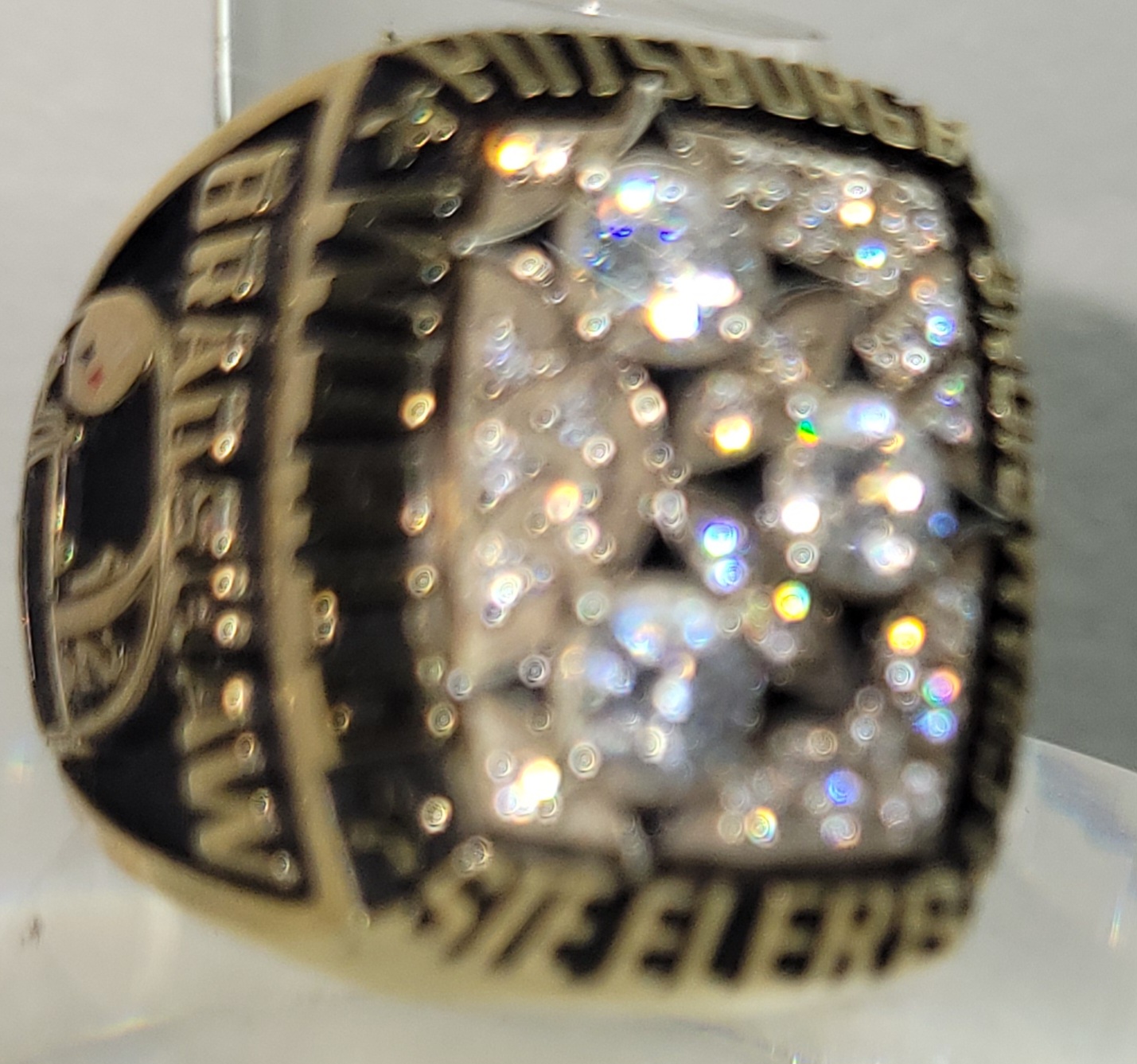
So this powerful 14-2 challenger went down to Miami’s Orange Bowl to take on the defending champion Cowboys who finished 12-4. For only the second time in the 13 year history of the Super Bowl, we would have two teams facing that each previously had won the game before. The first was the Steelers meeting the Cowboys in X, so everyone anticipated a great game for XIII. Two prime champions faced off and an epic battle ensued.

The Steelers opened up the scoring 7-0 with a Bradshaw to John Stallworth pass from 28 yards out.

After the Cowboys came back and tied the game with a Staubach to Tony Hill pass, Dallas “Doomsday Defense” struck. “Hollywood” Henderson and Mike Hegman sacked Bradshaw with Hegman stealing the ball and scoring with it. The Steelers were down 14-7 when a few plays later…

Each team’s defense forced multiple turnovers during the first half. The majority of the 2nd quarter had the teams deadlocked at 14 when the Steelers sustained a drive just before halftime. With seconds to go, Bradshaw connected on his 3rd TD of the half with this pass to Rocky Bleier.

Terry finished the first half with 253 yards with his 3 touchdowns and would become the first QB to throw for over 300 in a Super Bowl. Keep in mind this was the same quarterback that had nearly played his way out of a job in 1974. All the footage of his mistake prone ways as a young player were being extinguished in the mind as he put on this bravura performance in the 1st half.

Up 21-14, the Steel Curtain started to crack as Staubach started to move the ball in the 3rd quarter. Right when they were going to tie the game at 21, Jackie Smith dropped a sure touchdown on a 3rd down forcing them to settle for a field goal and a 21-17 deficit. Dallas, demoralized by the turn of events lost momentum for most of the second half.

After the most questionable pass interference in NFL history put the Steelers on the Cowboys 22, Franco scored on this trap to make it 28-17. We were getting late in the 4th quarter also.

Following an accidental squib kick, DT Randy White mishandled the football and fumbled as he was hit by Tony Dungy. Now the Steelers were poised for the kill at the Dallas 18 yard line.

It was not all over… Although the Steelers led 35-17 with a little more than  6 minutes left in the game, Staubach’s championship mettle shone through. The crack in the Steel Curtain became s fissure as the Cowboys scored twice from 90 and 48 yards out respectively. Yet Pittsburgh held on to win 35-31 and unseated the Cowboys as champions.

super-bowl-logo-1978Super Bowl XIII was a celebration with the two best teams facing off in the big game.  Rarely does that happen. Great games like that to climax the season leave you wanting more but you have to wait until next season to get that fix. To think the NFL’s #2 (Cowboys) and #3 (Steelers) ranked defenses were shredded by 35 and 31 points respectively. No one saw that coming.
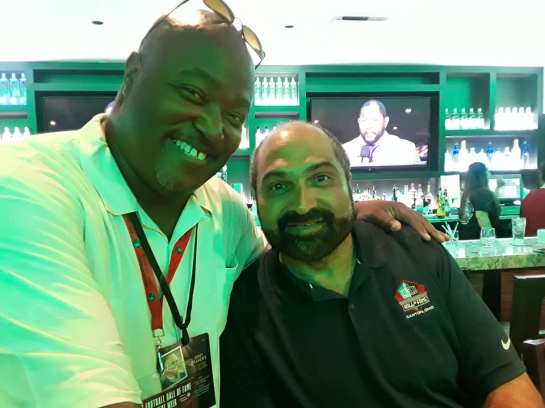
chancellor.franco

Bradshaw was the runaway MVP as he passed for a Super Bowl records for yardage (318) and touchdown passes (4). Much like Ben Roethlisberger today, it was the defense and the running game that carried the QB to his first Super Bowl win. Terry had a good game in his second, Super Bowl X, but it was this one that validated his career and sent him to the Hall of Fame.

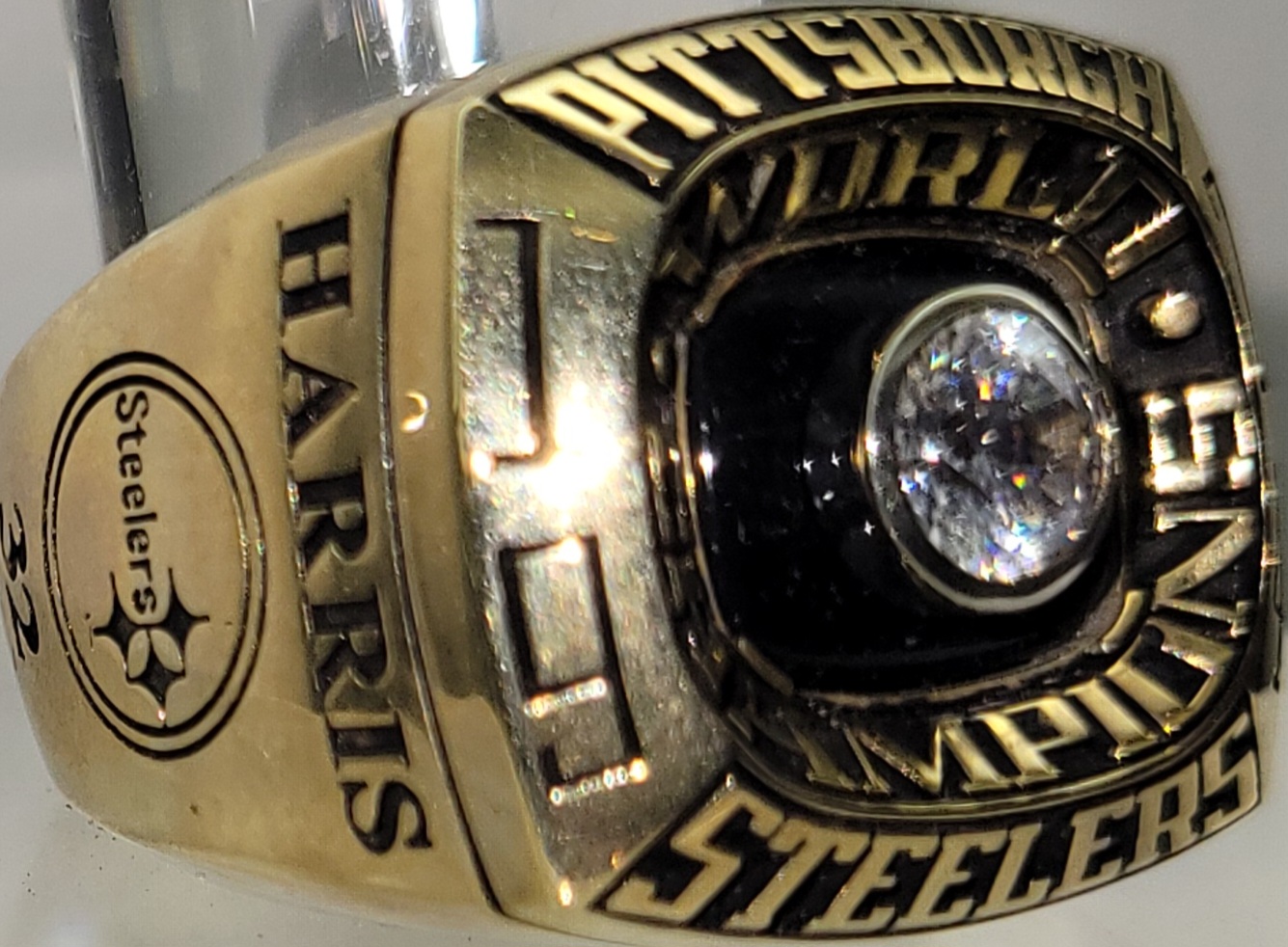
It’s impossible to see this championship ring and not think of the Super Bowl game first.

Thanks for reading and please share the article.
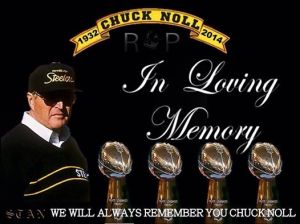
RIP Coach Noll

RIP Coach Noll

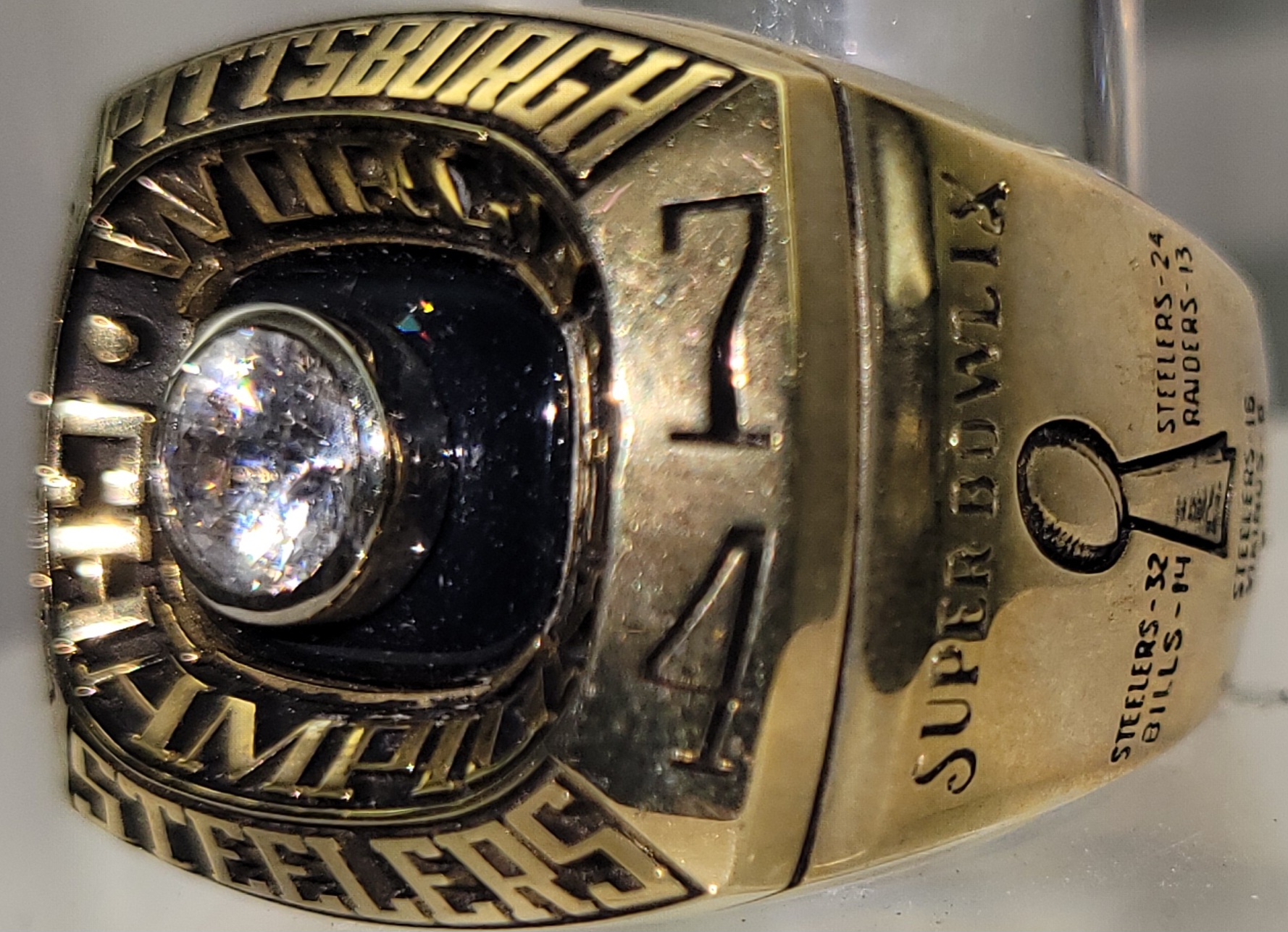
SUPER BOWL IX CHAMPION 1974 PITTSBURGH STEELERS

The first NFL championship in 42 years where the game ball was given to Steeler patriarch, the late Art Rooney. It had been a long time coming for all the decades of despair this team had been through. From the war time merging with the Philadelphia Eagles to form the “Steagles”. To the failed ability to recognize quarterback talent by cutting future Hall of Famers Len Dawson and Johnny Unitas. Nothing good had happened for this organization for decades.
Enter Chuck Noll.

Noll was hired to be the Head Coach after serving under Don Shula’s Baltimore Colts regime in 1969. His last game with the organization was the loss to the New York Jets in Super Bowl III. By then Noll was defensive coordinator after serving for years as a defensive line coach, most notably with the early 60’s San Diego Chargers in the AFL.

They say the player is the father to the coach a man becomes and Noll had been a lineman in his playing days. So instead of building his team first with a quarterback or featured runner, he drafted defensive tackle Joe Greene. He would build his defensive masterpiece from the ground up. A point often forgotten is the selection of LC Greenwood in the 10th round that same year.

In 1970, quarterback Terry Bradshaw was selected as the #1 overall pick. They finally had their quarterback of the future but the chief building block was Noll’s defense and in particular his defensive line. Five years later they were the best in pro football and came to be known as “The Steel Curtain”
Of course the Steelers had the great class of 1974 to put the finishing touch on what would become a football dynasty. However a look back and you can truly see how Pittsburgh’s first NFL championship had AFL roots.

If the AFL hadn’t been around to offer Chuck Noll his first coaching job at the professional level in 1960, would he have been in place to take the Steelers job in 1969?? Also look at the make up of the Steeler team from a draft and racial standpoint. Mining talent from historically black colleges and smaller schools was an AFL trait, not an NFL one. What Noll did in Pittsburgh was recreate the San Diego defensive line of the early 1960s he wasn’t allowed to in Baltimore.Steel_Curtain_Time_Magazine

  • Joe Greene – North Texas St.
  • LC Greenwood – Arkansas AM & N
  • Ernie Holmes – Texas Southern
  • Dwight White – East Texas State

So think of Joe Greene as a latter day Earl Faison or Ernie Ladd who had come from Grambling. By the time we include the late quarterback “Jefferson Street” Joe Gilliam from Tennessee State, Mel Blount from Southern, and John Stallworth from Alabama A&M, this team resembles the 1965 San Diego Chargers or 1969 Kansas City Chiefs of the AFL more than it did the 1968 Baltimore Colts.

The Chancellor with Franco Harris, MVP of Super Bowl IX.

super-bowl-logo-1974Many former players have talked about the racial quota that existed in the NFL back when. Well along with Vince Lombardi and Hank Stram, Chuck Noll broke that system for good and let talent flourish. First the Steelers took $1 million to move in with the AFL teams to form the AFC in 1970 with the league merger. Than Chuck Noll built the best AFL team he could through the draft.

In doing so he brought Pittsburgh a championship it so desperately sought. It would not be the last.

RIP Coach Noll

RIP Coach Noll

Thanks for reading and please share the article.

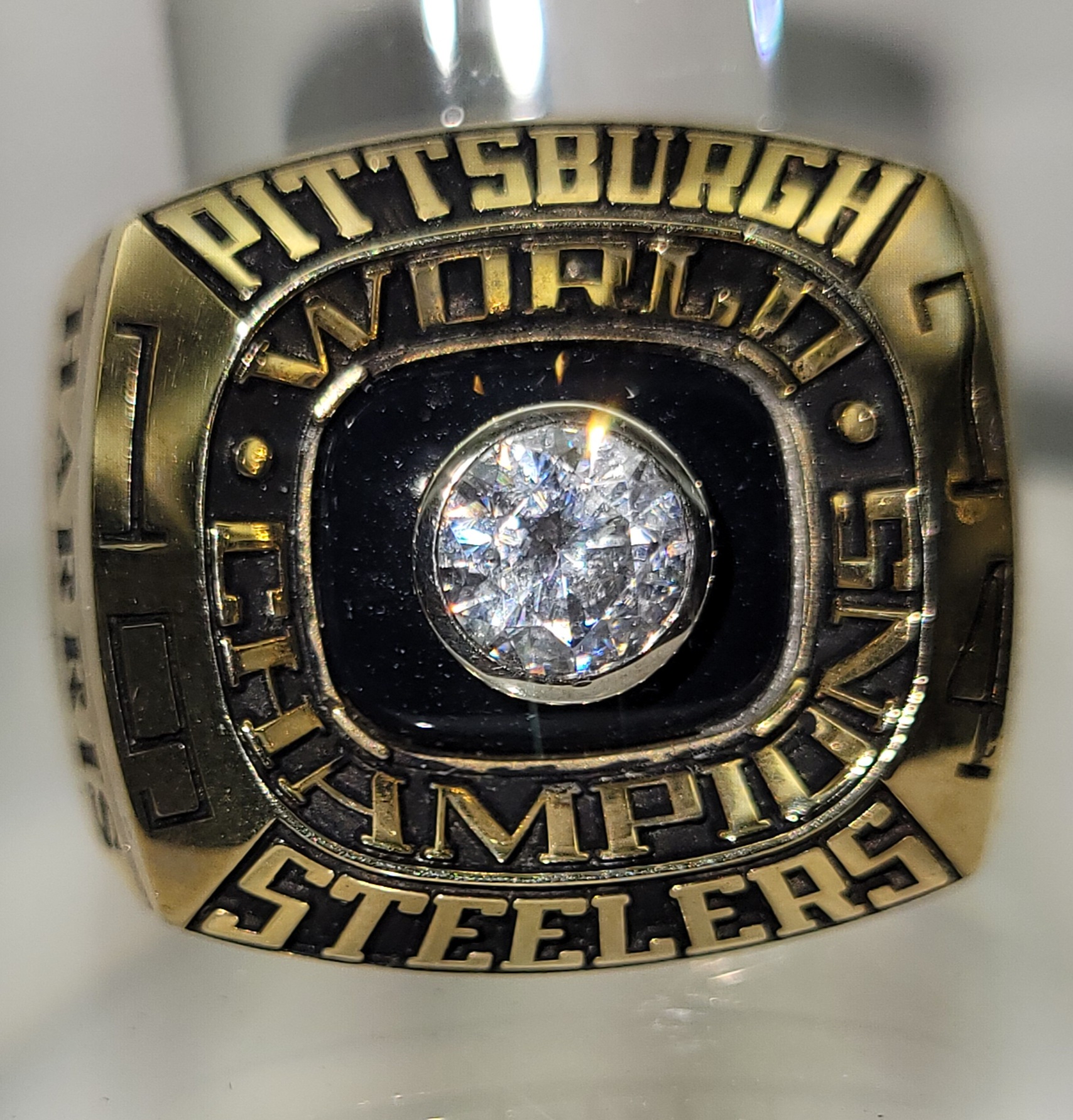
This bauble was what each player and coach received after their 16-6 win vs the Minnesota Vikings in Super Bowl IX.

The Soul of The Game: Ernie Stautner

Last night during the retirement of Joe Greene’s #75, it was revealed his was only the second number retired in Steelers history. When they announced the other number belonged to Ernie Stautner, only the real old timers remembered him as a player.  Some knowledgeable Steeler fans would remember him from his days as a defensive line coach for the Dallas Cowboys during the Super Bowl years of the 1970’s.

Stautner was a 9 time Pro Bowl DT who eventually made it to the Hall of Fame.

Stautner was a 9 time Pro Bowl DT who eventually made it to the Hall of Fame.

However an earlier incarnation of Stautner was the greatest Steeler during those 42 years of losing before Super Bowl IX. During his 15 year career with the Steelers he was the lone standout as he made the Pro Bowl nine times. Stautner was voted to the All Decade Team of the 1950’s.

He was revered as the strongest defensive tackle at the point of attack. In the video you’re about to watch, you’ll see he alternated between defensive end and tackle. He only weighed 235 lbs for most of his career. The same weight as Hall of Fame running back Jim Brown. Yet through his intensity and technique he was the greatest defensive player of the Pittsburgh Steelers first 42 years of existence.

Speaking of technique, he went on to be the defensive line coach of the Dallas Cowboys for over 20 years. He taught them all from Hall of Famer Bob Lilly, Jethro Pugh, George Andrie, and on through Harvey Martin, Ed “Too Tall” Jones, and Hall of Famer Randy White. He spanned both Doomsday I and II and only departed once Jimmy Johnson brought his own coaching staff to Dallas in 1989.

The late Stautner giving some gameday tips to the late Harvey Martin in 1978.

The late Stautner giving some gameday tips to the late Harvey Martin in 1978.

Yet it’s his first NFL incarnation of one of the greatest defensive linemen of his era. He was voted to the Pro Football Hall of Fame in 1969 which ironically was the year the Steelers drafted Joe Greene.

Dedicated to the memory of  Ernie Stautner (Apr 20, 1925- Feb 16, 2006)

Thanks for reading and please share the article.

Top Ten Single Season Defenses in NFL History : #4 1976 Pittsburgh Steelers

Now how could we have a category on the best defenses and defenders in NFL history and not include the Pittsburgh Steelers?? As we moved into the 1970′s following the merger, we saw the hashmarks narrowed in 1974 and the goal posts moved to the end line to provide offenses more room to operate. Scoring had been down for much of the first half of the decade and it was thought this additional field to cover would hamper defenses. Especially those with burly MLB types that had limited range tracking sideline to sideline, or defending the pass.

No one could run on the '76 Steelers

No one could run on the ’76 Steelers

Enter Jack Lambert. A converted outside linebacker who stood 6’4 and stayed at a playing weight of 220 lbs. the majority of his career. What he brought to the table was the speed to get further back than the Willie Lanier’s and the Dick Butkus’, a prior generation’s middle linebackers who were mainly there to stuff the run. His ability to get past twenty yards in pass defense was the impetus for the Steelers to run what is NOW misnamed the “Tampa 2″.

It started in Pittsburgh because against the run and rushing the passer, Ernie Holmes, Joe Greene, Dwight White, and LC Greenwood were the finest front four of their era….possibly football history. Lambert, along with outside linebackers Andy Russell, and Jack Ham, only needed to clean up against the run and were already a step back ready to clog the middle and flat areas against the slower tight ends of that era. The result??

A defense put together from astute drafting grew into one of menace that powered the Steelers to victories in both Super Bowls IX and X. In Super Bowl IX the Steelers held the Vikings to just 17 yards rushing for the game. A record that stood until Super Bowl XX. They stood tall and defended against a frantic last second effort in Super Bowl X. So strong was the Steeler defense, Coach Chuck Noll ran the ball on 4th and 9 and let the Cowboys have the ball at their own 40 yard line leaving it up to the defense to win the game. While winning a second straight world title they set the Super Bowl record for sacks with 7.

A young team with an unprecedented chance to win a third straight Super Bowl went into the 1976 season with their front four in their prime.With Terry Bradshaw growing up as a quarterback and growing receivers John Stallworth and Lynn Swann with one of history’s finest defense….What would they do for an encore?? Could they threepeat??


However there were a couple issues as this defemse was 2-2 against Pro Bowl QBs. They lost to Fran Tarkenton and Minnesota 17-6, and Ken Stabler’s Raiders 31-28 in a wild come back out by the East Bay. Another notch against the Steelers was their performance against 1976’s Top Ten offenses where they went 1-3 in the regular season.  They allowed the 2nd ranked Raiders 31 in a loss. The Vikings were 6th in offense and lost 17-6 and New England’s 8th ranked offense dropped 30 in a loss at Three Rivers no less.

The only win was against the Kansas City Chiefs who had the league’s 7th best offense. The one thing they did do was blow out the #1 offense Baltimore Colts 40-14 but they didn’t hold any Top Ten offense to 10 points or less. Another best ever defense hallmark. 

These blemishes against top ten offenses dropped this unit out of the Top 3. This is for statistical dominance over a season not just a particular streak that happened during a one. How did you fare against Pro Bowl QBs and Top Ten offenses is a staple to this study to eliminate biases. 

This team was primarily responsible for the upcoming rule changes of 1978 and this was their best season. For the year they were #1 overall (237.4 y/pg) gave up just 138 points and held 7 of 8 straight opponents to 10 points or less. Five of those came by shutout and the first modern team to record 3 in a row. In fact they only allowed 2 touchdowns in the last 10 games and those came in the same game. A 32-16 win over the Oilers.

They had a string of 22 quarters where they didn’t allow a touchdown. They were so good they had to be legislated out of business.

Starting in 1978 they instituted the “Mel Blount Rule” where receivers could only be jammed / hit within the first five yards of the scrimmage line. Blount was bludgeoning receives all down the field until the pass was thrown. Pass protectors were allowed to extend their arms to better protect against the Steel Curtain. The head slap was another tactic taken away from Pittsburgh’s charging front four in 1978. All of these rule changes can be traced back to this group.

RIP Coach Noll

RIP Coach Noll

One of the best in history and number 4 on The Chancellor of Football’s list.

Dedicated to the memories of Art Rooney, Chuck Noll, Ernie Holmes, LC Greenwood, & Dwight White.

The Immaculate Reception Encore: 1972 AFC Championship Game

The No Name Defense stopping Franco Harris in the '72 AFC Championship Game.

The No Name Defense stopping Franco Harris in the ’72 AFC Championship Game.

One of the unique themes in NFL history is whenever a team has a famous miracle playoff win, those teams rarely win the Super Bowl. Well even the NFL championship for that matter when you think back to Detroit’s 31-27 win over San Francisco in the 1957 playoffs. In that game the 49ers were up 24-7 in the 3rd quarter only to lose to a series of backups for the Lions. It was the only instance where a miracle playoff win would culminate with a league championship. Fast forward to The Immaculate Reception and the Pittsburgh Steelers in the 1972 playoffs.

After winning their first ever playoff game over the Oakland Raiders, most people forget they ran smack into the undefeated Miami Dolphins. As far as the AFC Championship Game, the Steelers were playing with house money. They were one game away from the Super Bowl and were able to host the championship game since it was rotated by division back then.

Pete Rozelle didn’t institute home field advantage until 1978. He did it as a means to reward not only the team with the best record. He wanted to insure teams would play all the way through their schedule and not take the final weeks off. Yet in ’72, the 14-0 Miami Dolphins traveled to the 11-3 steel city to take on Franco’s Italian Army for the right to go to Super Bowl VII.

It was the first of only three times Don Shula and Miami would meet Chuck Noll’s Steelers in the playoffs during their coaching careers. Noll had served on Shula’s staff in Baltimore and had ties dating back to the Cleveland Browns of the 1950’s where they were both players.

Ironically the case remains. Why is it when a team should be riding an emotional lift like a miracle finish in the playoffs, they don’t win it all?? It’s easy to say they let down but would it be more that they’re an incomplete team that gets exposed as competition gets better?? The ’72 Steelers (Immaculate Reception) the ’72 Cowboys (Roger’s 1st comeback) the ’75 Cowboys (Hail Mary) ’80 Cowboys (Duel In Dixie) ’86 Denver Broncos (The Drive) ’99 Tennessee Titans (Homerun Throwback) all fell short of winning it all….. The lone exception would be the 1981 San Francisco 49ers with The Catch. 

RIP Coach Noll

RIP Coach Noll

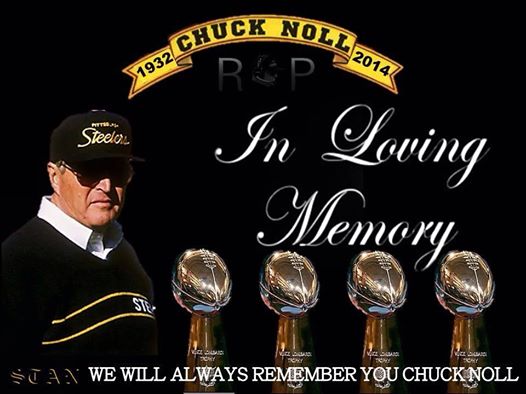
Chuck Noll would obviously make his mark, embarking on one of the greatest runs in history. Over the next 7 seasons, his team made the playoffs every year with their winning a Super Bowl in 4 of those seasons. We lost another legend with Noll’s passing Friday night. This article is dedicated to the Hall of Fame coach…

Rashard Mendenhall Retires

Now when most heard the news of Rashard Mendenhall’s retirement earlier today, many compared him to Ricky Williams for stepping away at only 26. Yet the player that came to The Chancellor’s mind was former RB Robert Smith who retired from the Minnesota Vikings after 2000 at the age of 28.

Retired at 26.

Retired at 26.

Talk radio exploded with “How could he walk away from millions of dollars?” Yet these same pundits would have barbecued him had he been one of those that hung on past his prime just for a check. Good morning my nation of cynics.

His reasons for retirement only need to satisfy him. It reminds me of Robert Smith’s retirement because he wanted to pursue other interests when he could stay a few more years. Citing his wish to walk away from the game for the sake of his future health is noble. After all hasn’t concussion and post career health been the major topic the last few NFL off-seasons??

The cynical fan whines and pines for players of a woe be gone era where they played for the love of the game. Yet can’t understand the player who is leaving the game because has waned. Don’t worry Mendenhall your decision is respected here and we wish you well with future writing endeavors and whatever you decide to do in life. There is a lot of life left after 26. Enjoy it.

Thanks for reading and please share the article.