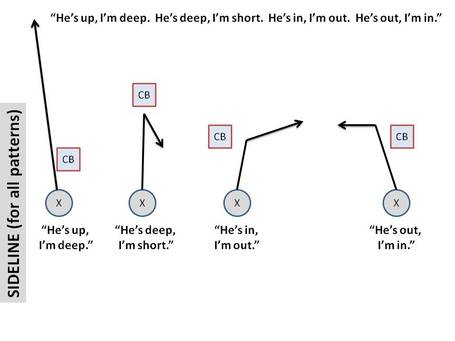
Single outside receiver site adjustments from the Run and Shoot
Whatever happened to the Run & Shoot as a pro offense?? You remember in the early 90s, when several downtrodden franchises looked to this offense to gain a tactical advantage on the competition. Atlanta, Detroit, Houston, and Seattle deployed 4 receivers who ran their routes according to how defenses were playing them. Borrowing on a concept from Bill Walsh’s offense, it was up to both the receiver and quarterback to read the defense, then adjust the route accordingly.
The truth of the matter is for each team with 4 receivers; the 3rd and 4th receivers were better than the opposing 3rd and 4th defensive backs that were normally platooned to cover them. These teams started racking up yards by the bushel and along with Buffalo’s “K Gun offense”, the zenith of the Run & Shoot was 1991 when each team, except Seattle. who abandoned the offense in 1990, made the playoffs. The Bills set offensive records for TDs scored and 33TD passes in a season by Jim Kelly. In fact Thurman Thomas was NFL MVP with over 2,100 combined yards from scrimmage.
Everyone thought of the Bills “No Huddle” offense as an offshoot of the Run & Shoot because of option routes run by Andre Reed in the slot and Thurman Thomas out of the backfield. Teams had a hard time adjusting and no matter how your corner played any of these receivers, the receiver would change his route and use the corner’s position against him.
For instance if the corner played outside position in a cover 3 zone, the adjustment would be a seam route by the slot receiver, or a skinny post for the outside receiver. That same corner came up in press one on one, the receiver would try for an outside release and run a fly pattern. In a cover 2 where the corner was off, he would adjust and run a hook with the underneath receiver running a down and out underneath his pattern, as the outside receiver occupied the corner. What could a defense do to combat an offense that used your very choices against you?
Enter the NFC East. This was the division that each team fielded twin 200 lbs. safeties receivers were funneled to. Whether it was Myron Guyton / Greg Williams with the New York Giants, Danny Copeland / Brad Edwards of the Washington Redskins, or the more punishing Andre Waters / Wes Hopkins duo that was on patrol in Philadelphia’s Veteran Stadium.
Where most teams were employing mainly dime defenses that were off the receiver, these teams started fielding nickel and dime defenses with cover two over the top and bludgeoned smaller run and shoot receivers. Many pundits look back to the Giants 1990 Super Bowl XXV defeat of the Buffalo Bills and their use of a 2 man line nickle and dime variations to slow down Buffalo’s no huddle / run and shoot tactics.
However thats misleading…the Giants conceded the run to the Bills (see Thurman Thomas’ 135 yards rushing) to set the tone punishing receivers with hits from the linebackers and safeties. It was more of a victory based on the strong time of possession difference from the methodical Giants offense more than defensive tactics. A 40:31 to 19:29 possession time difference as a matter of fact. Although Super Bowl XXV, at the end of the 1990 season, did set the blueprint for playing physical defense against this speed type offense. So when and where was the run and shoot conquered as an offense??
The signature game that signaled the death of the Run & Shoot as an offense, came in week 14 of the 1991 season. A Monday night matchup where the Houston Oilers hosted the Philadelphia Eagles. The Eagles as a defense had come to full fruition as a unit originally put together by Buddy Ryan and now run by defensive coordinator Bud Carson. They had high hopes that 1991 would be their year: they returned ’90 NFL MVP Randall Cunningham and an improving defense, yet torn ligaments to Cunningham’s knee courtesy of Bryce Paup in the season opener, sent the Eagles season spiraling. Not quite…
A defense that ranked near the bottom in ’88, Buddy Ryan helped their esprit de corp when he drafted only four players in 1989 citing he liked his guys. The team grew defensively into a giant by 1991 although Ryan was no longer with them. The defense kept them in games week after week and they came into this matchup 7-5. Could they best the #1 passing offense in the league? Could they do it on the road?
The Houston Oilers were the vanguard of the run n shoot teams and with Warren Moon had put up the most prolific numbers. In 1990 Moon passed the Oilers to the playoffs with 4,689 yards and 33 TDs. The most since Dan Marino’s record setting 1984 and he missed 1 full game and time in 2 others. Along the way he passed for 514 yards against the playoff bound Chief’s #6 ranked defense. Coming within 41 yards of Norm Van Brocklin’s 50 year old record of 554. Alas Moon suffered a broken thumb and missed the Oiler’s playoff loss to Cincinnati.
Going into 1991, Moon was on a near record setting pace again and some thought this, and not Buffalo was the strongest AFC team. The Redskins were 8-0 and the Oilers 7-1 when they met in a week 8 slugfest with the eventual world champion Redskins. The game was won by Washington 20-17 in RFK, yet they showed they indeed were ready to stand toe to toe with the best the NFC offered. Going into the Monday Night tilt against the beat up Philadelphia Eagles at home, many thought the Oilers juggernaut offense would roll in this game too.
What took place over the next three hours was one defensive masterpiece that many defensive affecionados remember reverently to this day. The Eagles employed a 4-2-5 nickel variation with OLB Seth Joyner and MLB Byron Evans, who was lanky for a middle backer yet had great range, for most of the night.
Occasionally they’d bring in the dime defense (6 defensive backs) yet what they did differently was press the receivers and blitz off short corners. The hitting was vicious with Wes Hopkins and Andre Waters leading the way. They knocked out both Ernest Givins and Drew Hill out of the game twice each. The first vicious shot was a dirty elbow from Wes Hopkins that broke Givins nose, yet set the tone for the night.
Joyner played his way to the Pro Bowl and almost the Hall of Fame that night with 2 sacks, a forced fumble and a fumble recovery to keep the game close. Reggie White, Jerome Brown (The U), Mike Golic, and Clyde Simmons swallowed Allen Pinkett’s attempts to run holding the Oilers to a paltry 21 yards rushing for the game. They also provided a serious rush that they supplemented with the occasional blitz that beat Houston into total submission before a stunned audience of millions. When dime back Otis Smith’s thunderous hit on Drew Hill, on an outside swirl route, forced Houston’s fifth fumble of the night. The rest of the league were on their second tablet from taking notes. The Eagles won 13-6 in front of a shocked audience.

Early 90s pic of Eagles L-R: Clyde Simmons, Eric Allen, Jerome Brown, Seth Joyner, and Reggie White
The beating was so decisive it ruined the Oilers season and this game was the complete blueprint on how to stop the run and shoot. Going into the game the Oilers were averaging 307 yards passing, just off pace needed to break Marino’s passing record, yet staggered away from this game only averaging 232 the rest of the season. The 226 they gained through the air against the Eagles was their season low.
The average was also down for the Falcons and Lions over the last 4 weeks of the season as well. The Oilers went down in the divisional round of the ’91 playoffs 26-24 to Denver, and the lone run n shoot playoff winner was Detroit who went on to whip Dallas 38-6. In fact the Cowboys had lost 4 games to run n shoot teams in 1991. The next year the Cowboys drafted a rangy MLB Robert Jones, in a Byron Evans mold, and brought in CB Kevin Smith, SS and former rangy college linebacker Darren Woodson, to stop those offenses the next year. The first of their 3 Super Bowl wins in the 90s and it started with that 1992 draft to mimick what the Eagles fielded in 1991.
As for the run n shoot, its effectiveness was diminished and the race for the record book was over. In 1991 Houston passed for 4,621 yards where in 1992 that number dropped to 4,029. In ’92 neither the Lions or the Falcons came within 3 games of the playoffs and the Lions and Bills started to alter their offensive approach. The Oilers along with the Falcons ran the offense until 1993, yet the Falcons never returned to the playoffs…and the Oilers?? Well they went into the 1992 wildcard and took a 28-3 halftime lead on Buffalo who was playing with 6 & 7 DBs on the field. Warren Moon at the half was 19 of 22 for almost 300 yards and 4 TDs and ballooned the lead to 35-3.
In the 3rd quarter, the Bills decided to play it the same way the Eagles had in ’91 inserting rangy MLB Carlton Bailey #54 and Darryl Talley #56 and they shut Houston down in the second half enroute to the greatest comeback in NFL history winning 41-38 in OT. Couple these landmark events with the system’s inability to score in the red zone and the run n shoot’s fate was sealed. Even now the run n shoot receiving principles of WR route running based on options lives on in playbooks, just not in a 4 receiver set, nor as an entire offensive approach.
As for the Philadelphia Eagles defense that was the architect of the run n shoot’s demise? They went on to become the last great defense to finish #1 against the run, #1 against the pass, and #1 overall. A distinction the ’85 Bears, ’86 Giants, ’76 Steelers, ’78 Steelers, ’08 Steelers, nor ’00 Ravens could match. They finished the season winning 7 of 8 games and finished 10-6 and narrowly missed the playoffs.
The combined quarterback rating for their final 6 QBs was less than 40.0, and their principle line rushers R. White, Jerome Brown(The U), and Clyde Simmons combined for 37 sacks (which if they played last year would rank 11th in the NFL by themselves), and all 3 were Pro Bowlers and 1st team All Pro. Seth Joyner and Eric Allen earned Pro Bowl distinctions in 1991 as well. They don’t receive the recognition of those other great defenses because they didn’t win the Super Bowl. Who would have operating with 5 different starting quarterbacks? They were one of the best defenses in NFL History. Had Randall Cunningham not been injured…
Prologue: The impact of the players of this era in Eagle history were felt throughout the decade…
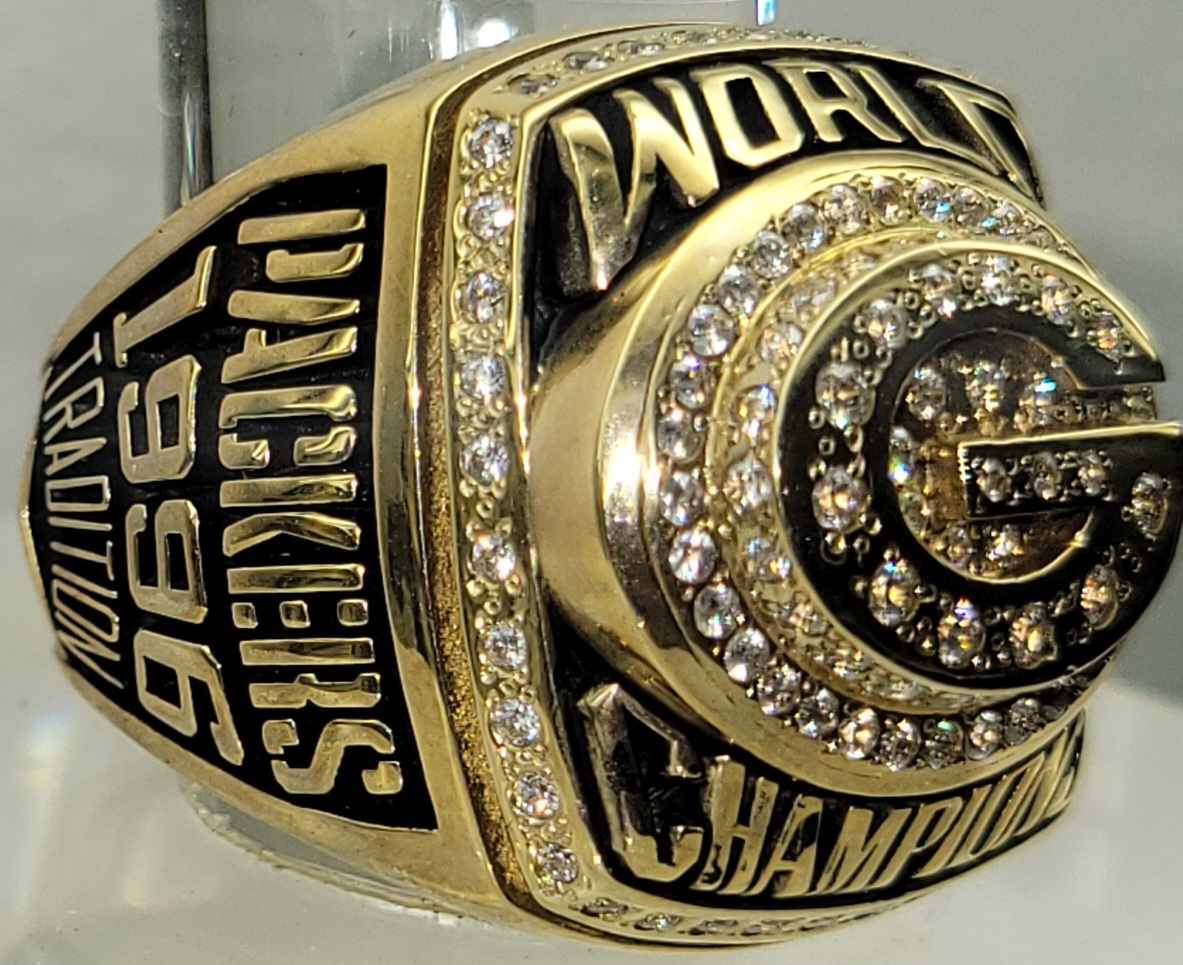 Reggie White-Became the main prize in 1993’s free agent derby, signed with Green Bay and went on to become the NFL’s all time sack leader. Recorded 3 sacks in Super Bowl XXXI when he became a champion with Green Bay along with former Eagle TE Keith Jackson. They bested the New England Patriots who had former Eagle RB Keith Byars and CB Otis Smith on the team. White passed on the week of Christmas 2004 which cast a pall over the playoffs that year. He was inducted into the Hall of Fame posthumosly in 2006. RIP Reggie White.
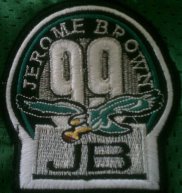
Commemorative patch worn by the 1992 Philadelphia Eagles in Jerome Brown’s memory.
Jerome Brown– An all pro talent who passed away the following June. He’s still one of the most beloved Miami Hurricanes and missed by Hurricane fans everywhere. The 1992 Eagles dedicated their season to his memory and wore this commemorative patch on their jerseys the entire season. They also kept an equipped locker for him throughout the season and set it up on road trips also. His locker was with the ’92 Eagles in the Superdome as they won their first playoff game in 15 years.
Brown was the predecessor to fellow Hurricanes DTs Cortez Kennedy Russell Maryland, and Warren Sapp. Kennedy, who changed his number to 99 in honor of Jerome and went on to win NFL Defensive Player of the Year in his honor in 1992 while playing for the Seahawks. Every Hurricane playing in the NFL during 1992 wore a black #98 on their helmet that year including several that played for the Dallas Cowboys. The next time you watch Super Bowl XXVII where Dallas beats Buffalo you’ll see the black #98 on the back of many helmets. Jerome was alos the inspiration and reason former Hurricane Warren Sapp wore #99 during his entire NFL career. R.I.P Jerome Brown
 Seth Joyner & Clyde Simmons– Were twin free agent prizes that signed with Buddy Ryan and the Cardinals in 1994. I wrote the Buffalo Bills organization and suggested we grab Simmons and Joyner to join Bruce Smith and Cornelius Bennett to fortify our defense to get to our fifth Super Bowl…yet I digress Joyner went on to join White with the Packers (1997) in their bid to repeat as champions yet they lost to Denver in Super Bowl XXXII.
Well if you can’t beat ’em, join ’em, and when Denver (1998) went on to become back to back champions a year later. Seth Joyner was a Bronco and guess what number he wore?? Number 99. He is a motivational speaker in Arizona now http://sethjoyner.com/ runs youth football clinics and is a coach himself. Just launched his show and podcast “The Seth Joyner Show” where you can hear his commentary along with a host of former Eagles.
Eric Allen– Played on through the 2001 season finishing with the Raiders. A popular notion is he should have been 1993’s NFL Defensive Player of the Year for his 64 tackles 6 interception performance in which returned 4 of them for touchdowns. The most famous being a 91 yard interception against the Jets. After weaving his way into the endzone, he handed the ball to teammate Randall Cunningham who was on crutches having been injured earlier in the game. His last game as a player was the famous “Tuck Game” in New England in the 2001 playoffs. Former teammate Otis Smith was a Patriot CB. He’s currently an ESPN analyst.
Byron Evans-Played 8 years with the Eagles through the ’94 season and was an underrated talent. Has an internet radio show he does with former teammate CB Mark McMillan on the Voice of America Network. http://www.voiceamerica.com/show/1475/hard-hittin-radio
Andre Waters– The hard hitting safety went on to join Simmons and Joyner in Arizona for the ’94 and ’95 seasons. He had gone into coaching yet passed away in 2006 R.I.P. Andre Waters
 Otis Smith-Was an Eagle dimeback in ’91. He went on to be the wily CB for a veteran laden Patriot team that lost Super Bowl XXXI to Green Bay. Yet was a Patriot 5 years later man handling Tory Holt and Isaac Bruce to stop the Greatest Show on Turf as he became a champion in Super Bowl XXXVI.
Mike Golic– finished his career with Miami and is half of the popular duo Mike and Mike on ESPN television and radio in the morning.

Taylor Blitz Times new logo!!
0.000000
0.000000

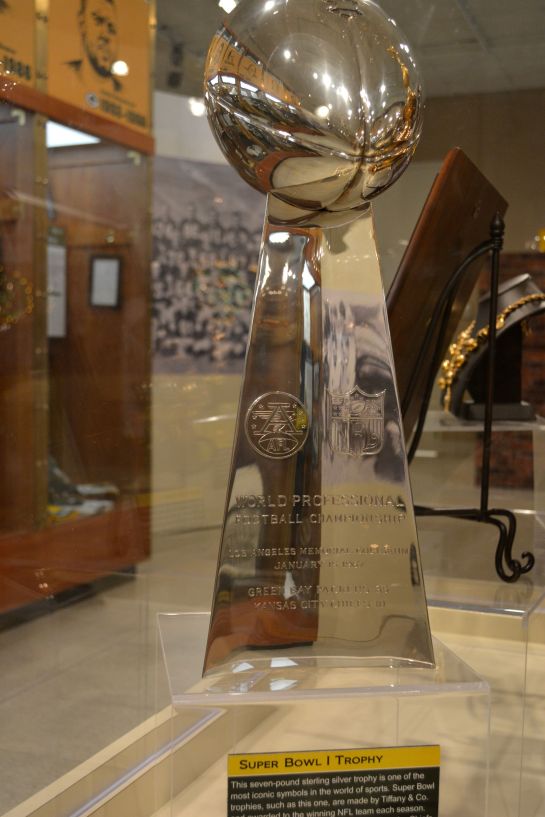
 Did you know that the NFL had a rotating trophy in the years before the Super Bowl? How do we know this? Well in 1995 when it was determined that Cleveland was to keep the Browns team colors, records, etc., there was no championship trophy for 1964. In fact, in more ways than one, they left it in Green Bay following a loss in the 1965 NFL Championship Game. Following the 1965 season we started the Super Bowl series where teams kept a trophy to commemorate the accomplishment…but there were rings.
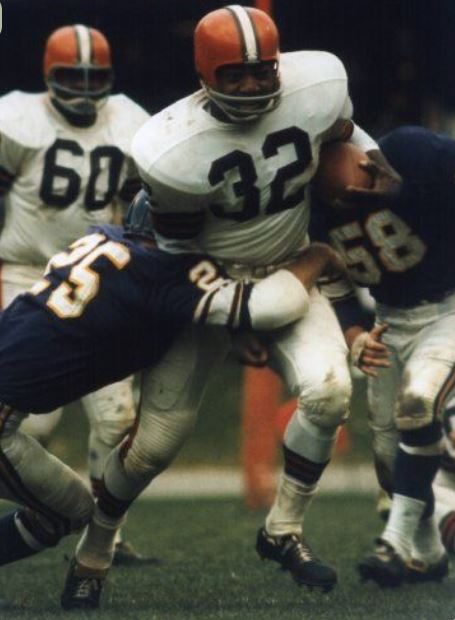 Ironically, the team that bears the name of Paul Brown, won this championship without him. In a power struggle he was removed by new majority owner Art Modell. They were coached by Blanton Collier. More irony can be found in the fact that in Cleveland 4 years later, the Colts got revenge shutting out the Browns 34-0 in the NFL Championship Game on their way to Super Bowl III. Then the obvious irony of losing not only their last NFL Championship appearance to Baltimore, but then lost their original incarnation of the Browns to Baltimore when Art Modell moved them there following the 1995 season.


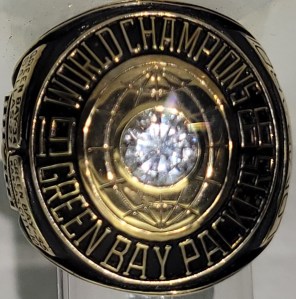 Then you have the ring for winning the
 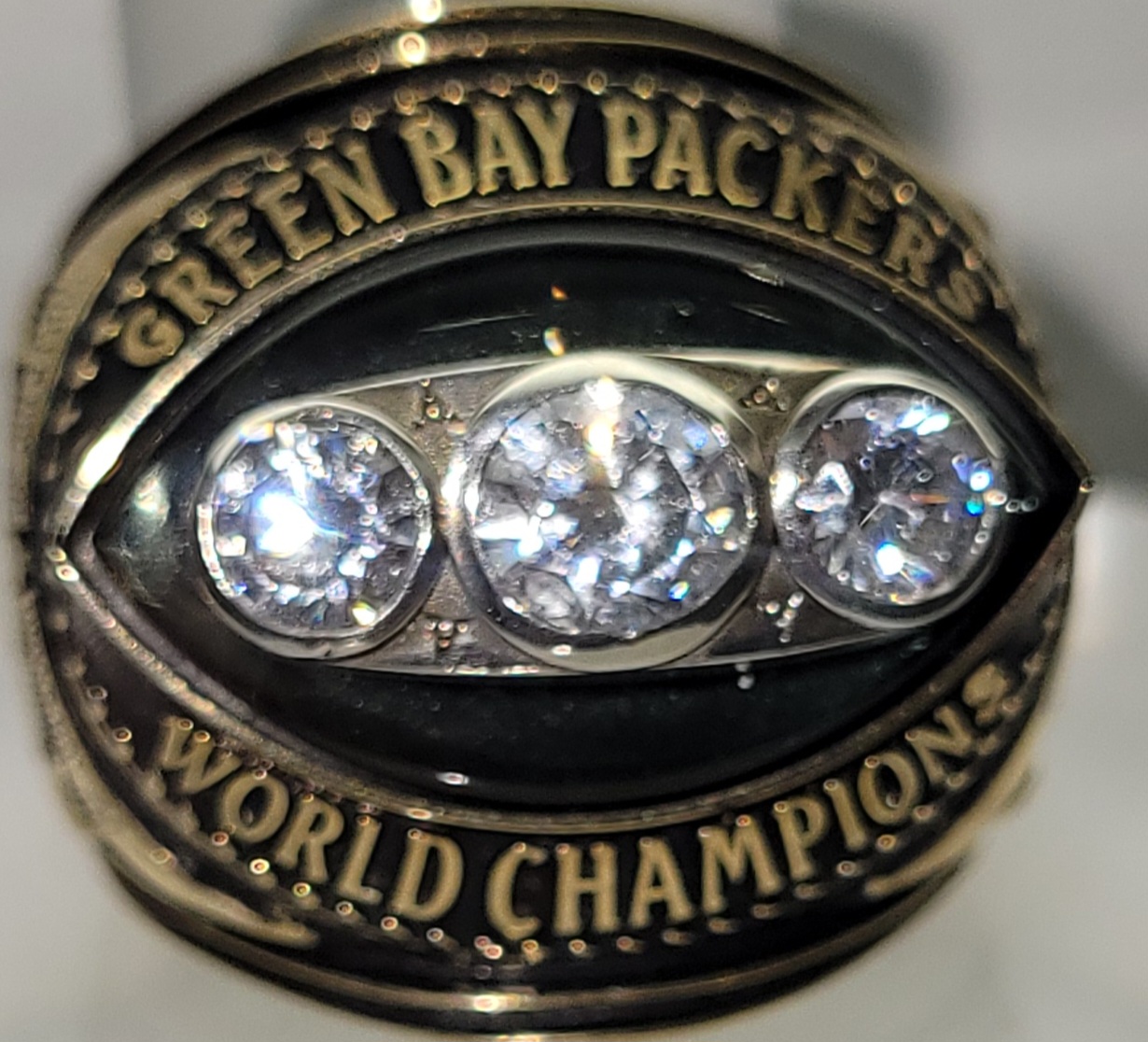 Then came the game that has been etched into the minds of football fans everywhere. The Ice Bowl. Played in -15 degree weather and a windchill at -60, the Packers beat the Cowboys 21-17 on Bart Starr’s last second touchdown plunge to give the Packers their third straight championship. This was the last time this has been accomplished. The only other time was the Packers from 1929-1931.


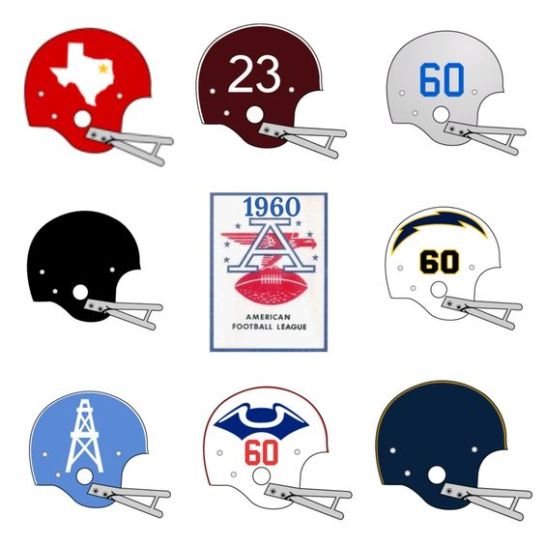 Unlike other leagues that popped up and died, the American Football League lives on in the American Football Conference of the modern NFL. With a burgeoning economy after World War II, Americans turned their attention to a life of leisure during the 1950s. Sports became the outlet for most of America.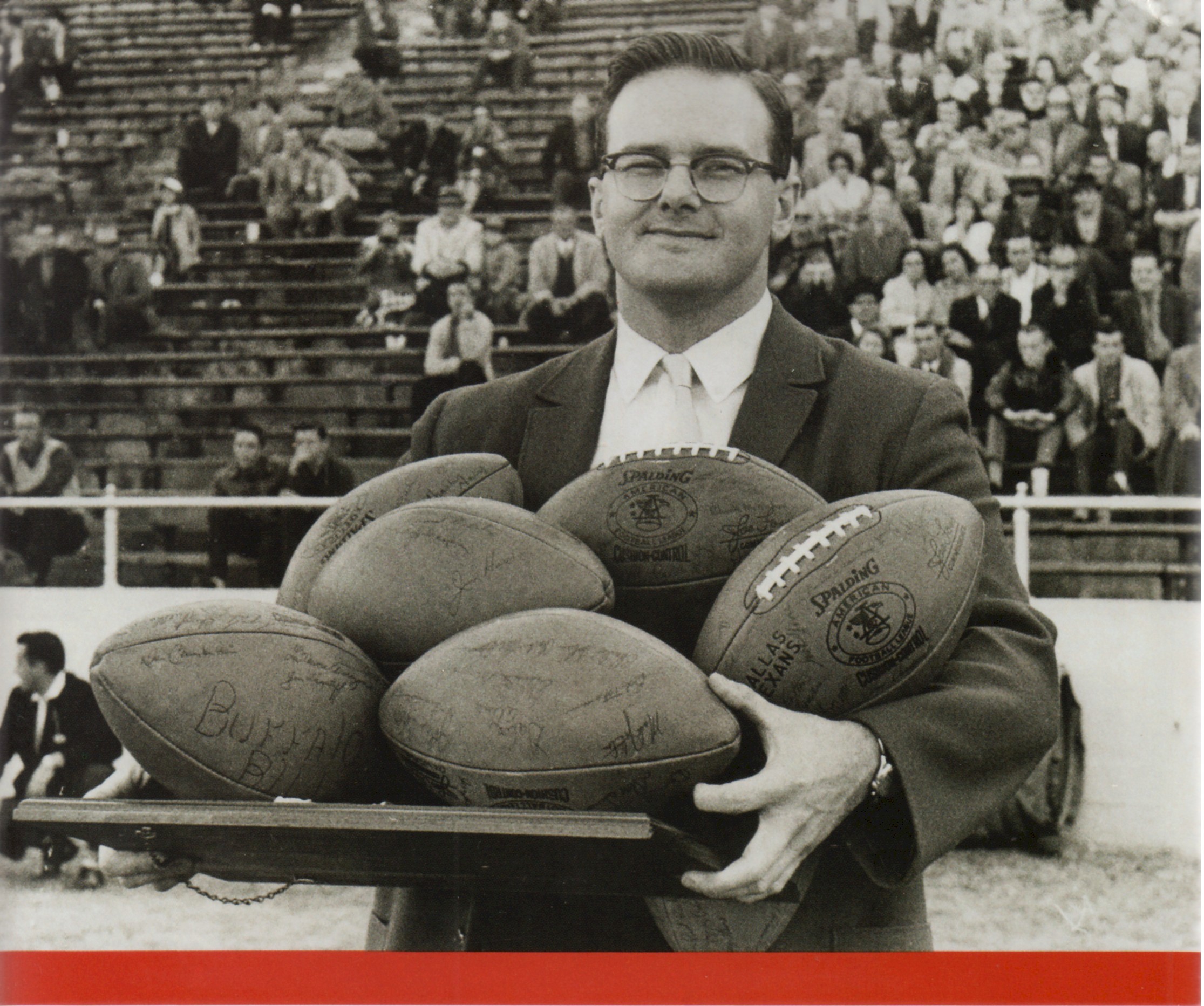
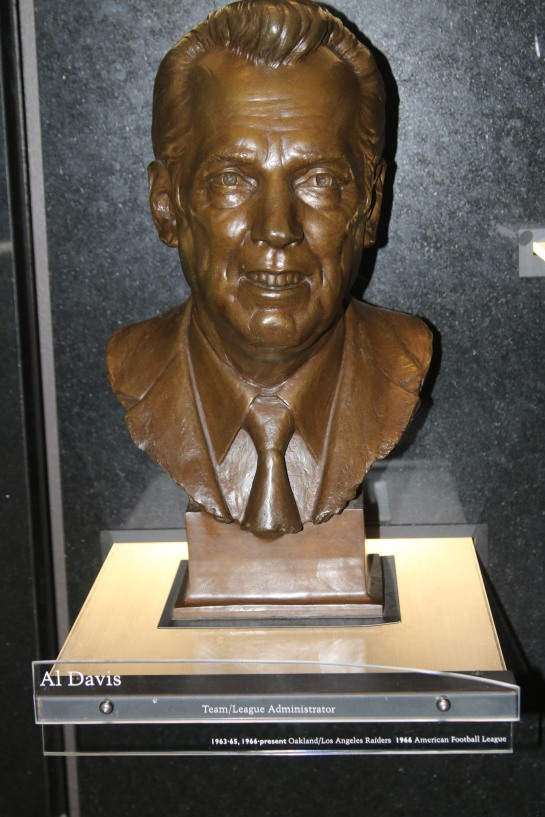 This is where he received his dubious ownership distinction and awkward title President of the Managing General Partner for the Raiders. He had only been a coach before, yet one of the items that seemed spineless is the NFL made the AFL’s teams pay $3 million in reparation damages each and had Al Davis been there would never have acquiesced to such a demand. Not when they had the NFL crawling to the table. It was this animosity toward Pete Rozelle, Bud Adams and especially the Kansas City Chiefs and Lamar Hunt that raged on for many years. *This is where the animosity between Davis and Rozelle fostered…remember the court battles of the 1980s between the Oakland Raiders v the NFL??*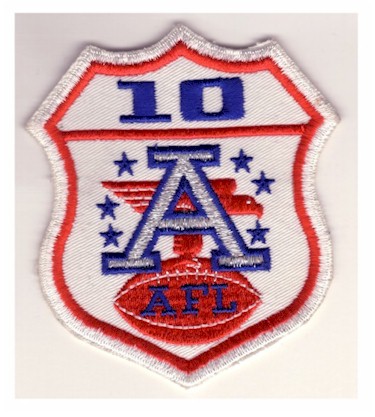
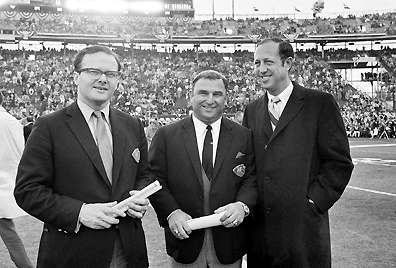 In the first two Super Bowls
 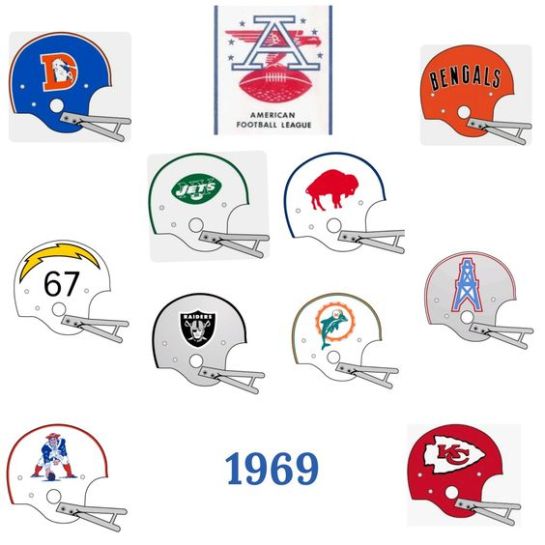 In conclusion: It was wrong to not include Davis and to me is the one of the few black eyes in this success story. The AFL was swallowed into the monolith that is the NFL after expanding the AFL to 10 teams with Cincinnati, and Miami emerging. These 10 teams were joined by the Pittsburgh Steelers, Cleveland Browns, and Baltimore Colts, yes the Baltimore Colts who gave the NFL a black eye with that first loss. They didn’t go empty handed, each club was paid $3 million to move to the new AFC. Yet AFL loyalists such as Davis wished the two leagues stay separate, and he truly believed they would have eventually folded the NFL.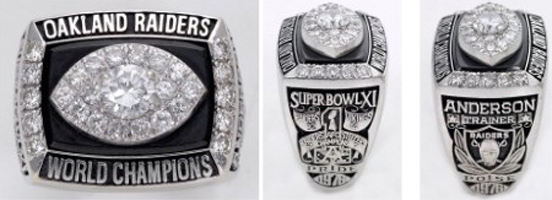
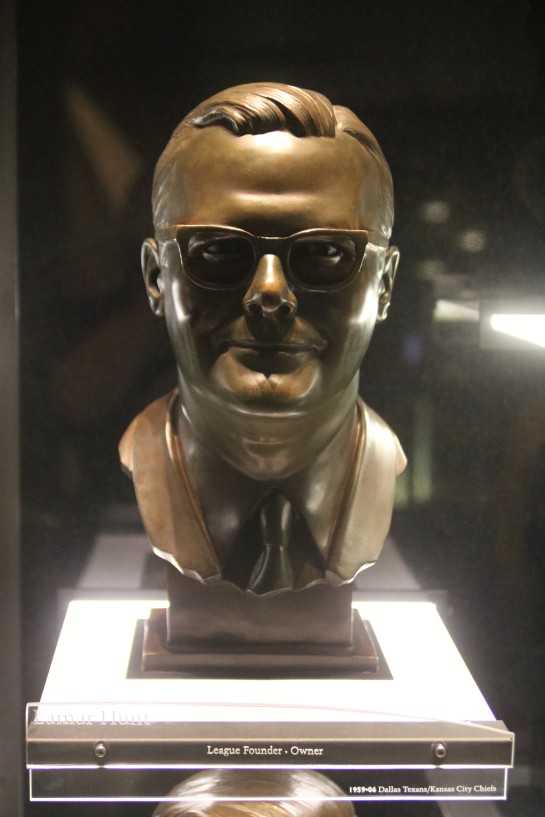 There you have it…how the AFL changed the sporting landscape after the first shot was fired by the folding of their predecessors, the AAFC. San Francisco’s entering the NFL doesn’t get the impact that it should because so much focus was on champion Cleveland coming over. The western expansion of American Football owes a debt of gratitude to the 49ers yet even more to those original owners.

You must be logged in to post a comment.