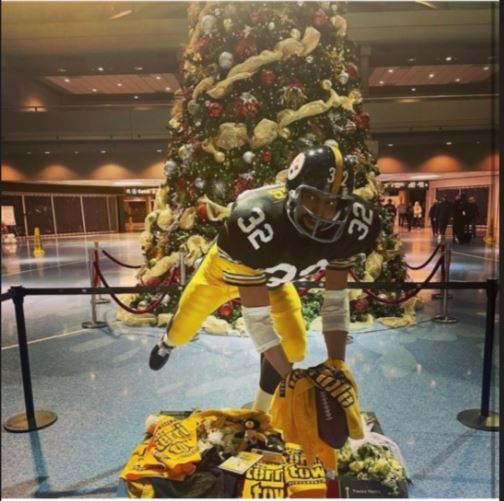
The Immaculate Reception: Before There Were Hail Marys

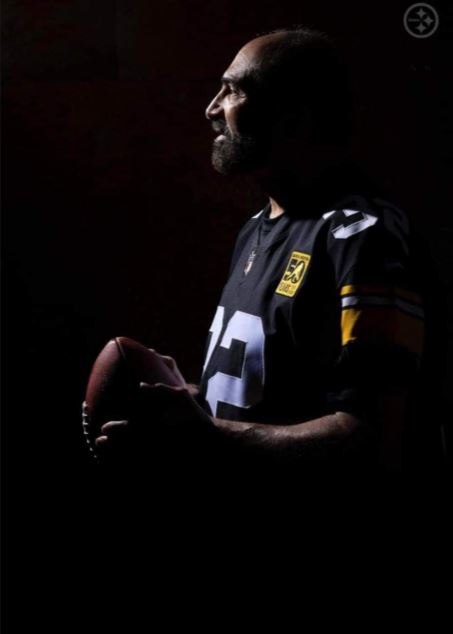
NFL Films had a video of the 100 greatest touchdowns in NFL history that came out in the 1990s which labeled Franco Harris’ Immaculate Reception in the 1972 playoffs, as the greatest ever. It was a completely fair assessment.

It launched a Hall of Fame career for Franco,  launched the greatest NFL playoff rivalry of the Super Bowl era, and was the birth of one of the greatest dynasties sports has ever seen. Although the Raiders did get revenge in the 1973 playoffs, Al Davis and the Oakland faithful vehemently disagree with the referee’s ruling that day.

Coach John Madden has said on numerous occasions how he disagreed with the officials not signaling touchdown when the play was over. the refs had a conference first before ruling the touchdown stood that gave Pittsburgh a 13-6 lead with 5 seconds left. So what led to the animosity and fame of this touchdown??

Before the rule changes of 1978, a deflected forward pass could only be caught by an offensive player unless it was touched first by a defensive player. It couldn’t bounce from one offensive player to another like we have now with a Hail Mary. By the way, The Hail Mary is also a nickname for a famous last second touchdown in the 1975 playoff win by Dallas over Minnesota and not the creation of Tom Landry…yet I digress.  The Immaculate Reception had everything: drama, controversy, and extreme importance.  What started the controversy is the lingering question: Did the ball hit Oakland Raider Jack Tatum or Pittsburgh’s John “Frenchy” Fuqua before deflecting to Franco Harris?

Franco Harris going in for a touchdown with the Immaculate Reception

Alright lets set it up for you: The Pittsburgh Steelers were experiencing their first real winning season in 39 years in 1972. They were powered on offense by a rookie running back from Penn St., Franco Harris. He had powered for 1,055 yards and 10 TDs to give the Steelers their first breakaway runner. He seemed to be the centerpiece for a team Chuck Noll had been building through the draft over the last 4 years. Pittsburgh had made the playoffs for the first time ever and on December 23, 1972 would host the Oakland Raiders in a AFC Divisional Playoff Game.

Meanwhile the Raiders had been mainstays in the postseason over the 6 previous seasons. They had made it to Super Bowl II before the 1970 AFL/NFL merger, and the 1968 and 1969 AFL Championship Games. After losing the first ever AFC Championship Game in 1970 to the Baltimore Colts, they were a team in transition and missed the playoffs in 1971. However with an infusion of new Raiders to put the team in the winner’s circle again, they won the AFC West and were back in ’72 and after that elusive first Super Bowl championship. First they had to go to Pittsburgh….

On a cold, dark and dreary day these two teams met and slugged it out in one of the most physical games of the era. We had two smothering defenses pounding the offenses into the ground and late in the 4th quarter the Steelers had a 6-0 lead. Desperate for some offense, John Madden inserted a young, mobile Kenny Stabler in for an anemic Darryle Lamonica which produced immediate results. On a last second desperation drive, the Raiders came scrambling downfield with their young QB in his first significant action in an NFL playoff game.

At the Steelers 30 with less than 1:30 to go, Stabler avoided the Steel Curtain, took off and scored on a 30 yard TD run to give the Raiders their first lead of the game 7-6.  “The Snake” had done it!! A hero was born!! There was bedlam on the Oakland sideline and with 1:13 to go began to make reservations for they would host the AFC Championship Game against the undefeated Miami Dolphins.

A confident Raider defense took the field expecting to thwart the Steelers final offensive attempt. After three failed passing attempts the Steelers were faced with a 4th and 10 from their own 40 yard line with :22 left in the game. The Raider defense had played a defensive masterpiece on the road. One more play and it was on to face the Dolphins. They hadn’t given up a touchdown all day…what could possibly happen?? Terry Bradshaw dropped back, this was the Steelers last chance, he scrambled to the right to avoid the rush and as two Raiders converged…Bradshaw stood his ground and heaved one down the middle to an open “Frenchy” Fuqua. However the late Jack Tatum was closing on the spot where Frenchy reached up to make the catch and….

A bloody playoff rivalry was born and from 1972-1976 these teams met every year in the playoffs. The Raiders gained some revenge in 1973 with a 33-14 thrashing. Then Pittsburgh turned the tables winning the 1974 and ’75 AFC Championships over Oakland before winning Super Bowls IX and X. Then when the Steelers were going for a three-peat, ran into a 13-1 Oakland team that defeated them 24-7, on their way to their first Super Bowl win in the 11th edition over the Vikings. It all started with the ’72 playoffs and The Immaculate Reception.
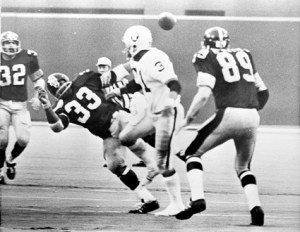
Tatum hitting the ball and Fuqua.

Tatum hitting the ball and Fuqua.

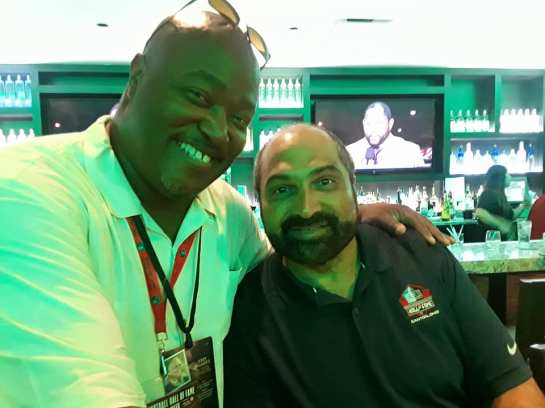
In Columbus Ohio in Winter 1991, I had the good fortune of running into Franco Harris and James Lofton who were there for the Archie Griffin Tennis Classic I believe. Anyway, sitting at the bar and prying him with beer I could not get Franco to admit the ball had bounced off Frenchy Fuqua and therefore should have been incomplete. “Come on, its just us sitting in a bar. Who would know?” I kept prodding him. Lofton was just laughing his ass off because Franco would just grin and shake his head every time I asked him.
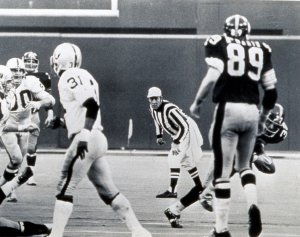
Franco grabbing the ball just inches from the turf a second later.

Franco grabbing the ball just inches from the turf a second later.

It was cool talking football with him and for the record… I believe the ball bounced off of the back of Fuqua’s helmet.  Follow the replay and you’ll see Fuqua flash in front of Tatum who the ball was headed for. If Tatum was in front of Fuqua, he would have put out his hands to knock the ball down, not brace for impact.  When was the last time you saw a football hit someone on the shoulder pads and bounce 15 yards (45 feet) away??  Lets have it ….What say you?? Did the ball bounce off of Frenchy Fuqua or Jack Tatum??

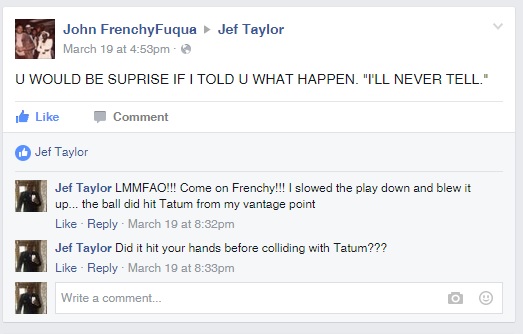
Epilogue: My initial thought of the ball bouncing off Fuqua, maintained for decades, I have changed my mind. After blowing it up and slowing the footage down, you can see the ball move past Fuqua and hit somewhere on Jack Tatum’s right shoulder / chest. I magnified the footage and slowed it frame by frame. It’s still the greatest play in the history of the NFL and I know the debate will rage on.
frenchyThanks for reading and please share the article.
me.franco.jpg

Epilogue:  Now that we’re 3 years removed from Franco’s passing just days before his jersey was to be retired, its time to share how the Steelers should have had this moment many years before. I had been looking forward to it posting on social media as early as September expressing how great this moment would be with the once hated Raiders in town. Secretly I had worried about how late this was happening being it was a 50 year anniversary ofThe Immaculate Reception, with many of his contemporaries having passed.  When I received the word of Franco’s passing from my wife who had gone to work before me I was devastated hence I’m jotting this down many years after the fact.

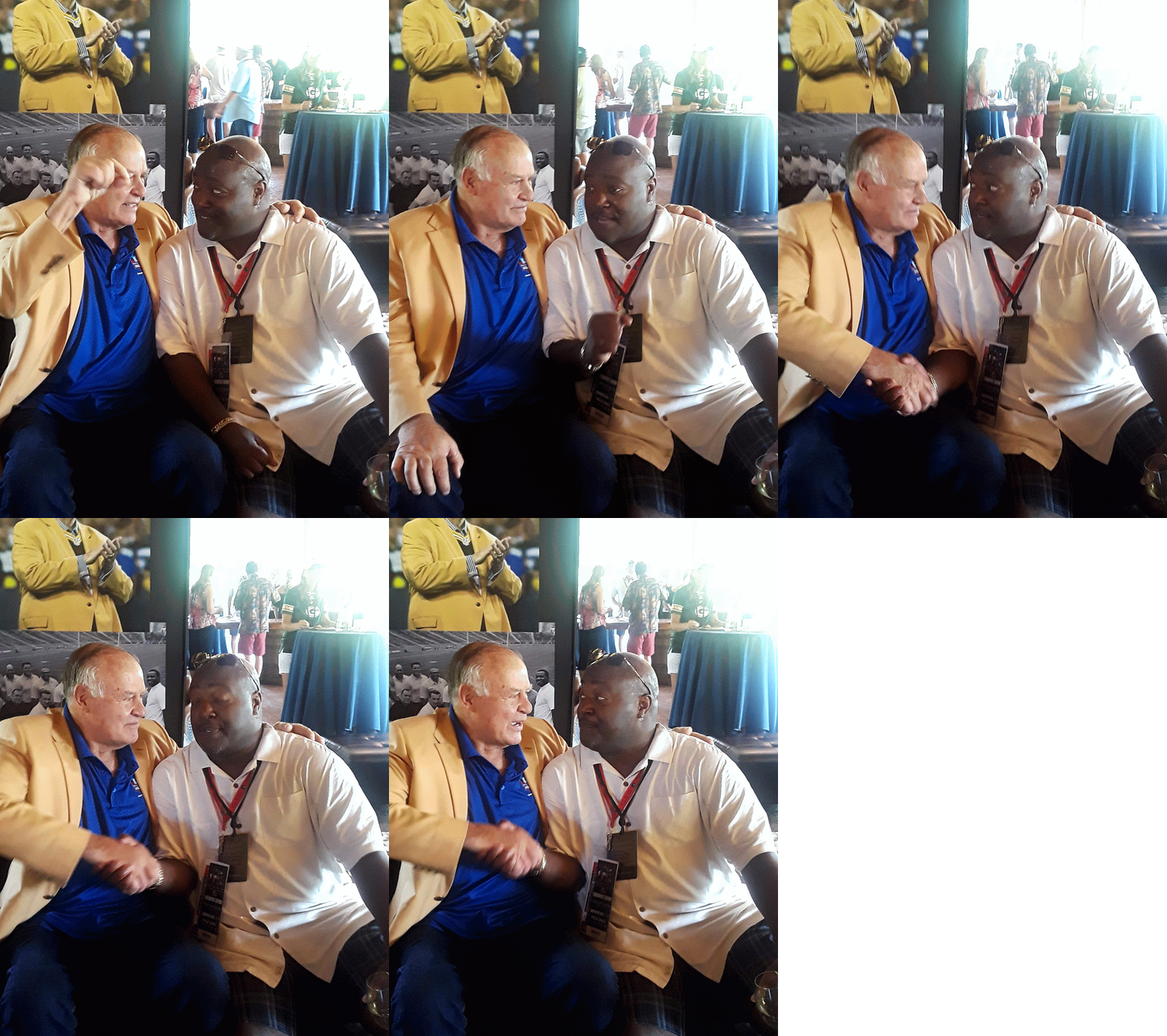
Contrary to popular belief I struggle when it comes to remembering our friends lost and there are so many times I learn of player’s passing when I wake up and see a historical article read more often than usual. With Franco it just seemed to hurt more as he was a great player from my youth as my love for football grew. Than meeting him a few times over the years his inviting personality made it feel like I had known him over the decades. In 2018 at the Pro Football  Hall of Fame he not only gave me crap about prying him with beer to  get him to talk about this famous play, he sat and drank with me and friends into the wee hours of the morning talking about great games cone by as though he knew Vance, Ryan and I for years.
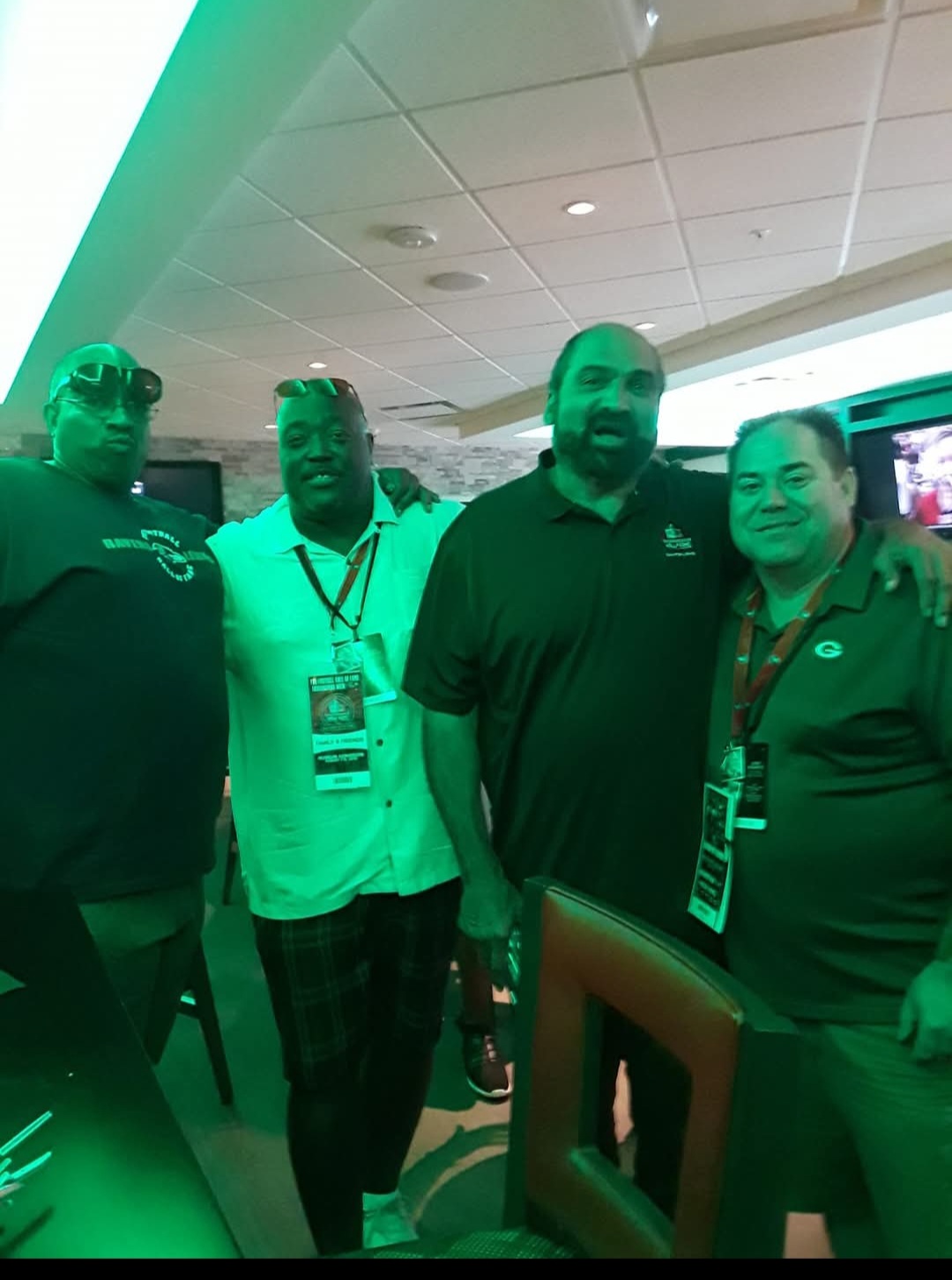
This article nor my words will ever do him justice but the football world lost a tremendous man and his moment should have been much sooner.

RIP Franco Harris Pro Football Hall of Famer…Thanks for the memories
 

Everson Walls Belongs In the Hall of Fame

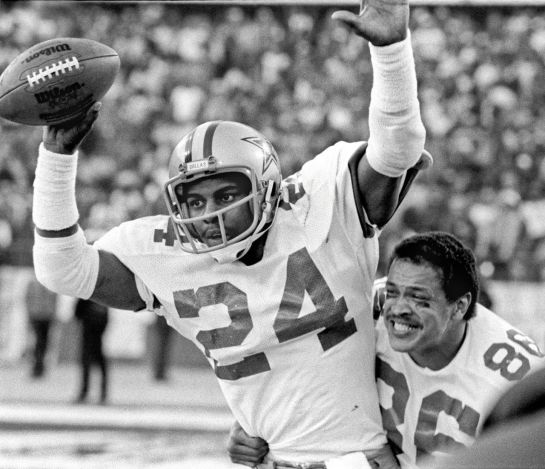
Butch Johnson and Everson celebrate Walls 4th quarter redzone interception in the ’81 NFC Championship Game. Yes, same quarter as The Catch

In the history of football, one of the hardest positions to judge or gauge performance is cornerback. Many times they’re overlooked when we speak of their careers as a whole because they rarely have a lot of tackles or hard hits.  So we tend to think of defenisve linemen or linebackers first. However after the NFL instituted rule changes that favored the passing game in 1978.  A more fluid athlete was needed to turn and run with receivers who could no longer be hit beyond 5 yards of the scrimmage line. The day of the super physical Mel Blount type cornerback was over and a new type of player would emerge.

The Dallas Cowboys of 1980 saw a secondary in flux with many of their great ’70s players aging, and teams piled points on ’em  after years of abuse. They gave up 311 points or nearly 20 a game. Mel Renfro had retired a few years back and Cliff Harris’ left after the 1979 season and the secondary was having epic breakdowns.

Even in Roger Staubach’s famous come from behind victory over the Redskins in the 1979 finale, the defense had given up 34 points at home in that game. So losing an All Decade performer in Cliff Harris and injuries to Randy Hughes magnified Cowboys problems.  By the time the 1980 playoffs began, the Cowboys couldn’t cover a child with a blanket. Cornerback Aaron Mitchell got lit up by Alfred Jenkins ( 4 rec. 155 yds, 1 TD) of the Atlanta Falcons in a playoff game known for being Danny White’s first great comeback. They prevailed 30-27 but a defensive back upgrade was top priority in the 1981 NFL Draft.

Enter Everson Walls, a lanky fast cornerback the Dallas Cowboys drafted out of Grambling in 1981.  He was a clearly brought in to be a cover man first and run supporter second.  He burst onto the scene in his rookie year when he led the NFL in interceptions with 11 while making the Pro Bowl as a rookie. Coming a year after Lester Hayes breakout 1980 campaign when he totaled 13 interceptions, Walls season was somewhat overlooked. While pundits duked it out over which cornerback was the best of the new breed, Walls interception totals didn’t drop over the ensuing years as Hayes did once stickum was outlawed.

After the strike shortened year of 1982 in which the NFL only played 9 regular season games, Walls led the NFL again in interceptions with 7.  Teams were avoiding throwing in his area and he gambled his way to a better season than his first.  Projected over a 16 game season, he would have equaled the 13 that Lester Hayes had in his near record breaking campaign in 1980.  After having 11 the year before?? Now that is an encore.

Everson Walls battling a rookie Jerry Rice in 1985

One of the reasons that Walls gets overlooked is he played for the Dallas Cowboys after their Super Bowl appearances of the late 70s.  This was the era in which the Dallas Cowboys lost three consecutive NFC Championship games, so the stars of this time weren’t lionized by NFL pundits like their 70’s counterparts. Much of this can be attributed to the 1981 NFC Championship Game in which Dwight Clark soared high to make “The Catch” and Walls was falsely treated as a goat for allowing it.

Yet many of those same pundits forget that earlier in the game Walls had made several key plays which included 2 interceptions to halt 49er drives. One of which occurred at the goal line.  He had played an exceptional game even in that defeat.

The Cowboys were a playoff team in 1983 yet teams threw away from Everson Walls at all costs.  However in 1985 he re-emerged to lead the NFL again with 9 interceptions. By doing so he became the only player in league history to lead 3 times in interceptions. It was at this point there had to be a reason for this gambler from Grambling picking off so many passes.

In John Madden’s second book “One Knee Equals Two Feet”, John cited the reason for Walls high totals a byproduct for teams having to throw over 6 foot 9, Ed “Too Tall” Jones. Jones was the defensive end on Walls side but that isn’t true. If you look at the 1977 and 1978 seasons, the Doomsday Defense II and “Too Tall” were at their zenith. In ’77 the Cowboys were the last team to win the Super Bowl with a team that was #1 on offense and defense yet the highest interception total was 5 by Benny Barnes. In the ’78 season in which they returned to the Super Bowl the highest cornerback total was 3. Walls with 11, 7 (projected 13), and 9 interception totals dwarf those with an aging Jones in front of him.

What are we saying?  Its time to give credit where credit is due. When you think of impact at cornerback you think of interceptions and the ability to battle the league’s best. Walls faced Roy Green, Hall of Famer Art Monk, and Mike Quick who were the NFC’s best and came out on top in many battles. Walls would go on to finish with 57 interceptions over his 12 year career.  He was a 4 time Pro Bowler yet was a first team All Pro just once. How does that happen when he led the league in interceptions 3 times?? Sportswriters are at fault for the All Pro snub and none pushed for him since he wasn’t a high round draft pick the beat writers would advocate for.

The Cowboys were penalized after losing the Battle of Champions to the Pittsburgh Steelers in Super Bowl XIII, and the fallout includes the early 80s Cowboys when it comes to Hall of Fame consideration. While most short sighted columnists would remind you that his Dallas Cowboys never won a Super Bowl as reason for the snub.

Yet one of the most important roles in his career was when he teamed with Mark Collins, and Perry Williams to give the New York Giants 3 excellent corners to shut down the Buffalo Bills 3 receivers in Super Bowl XXV. Early in that game it was Walls who caught James Lofton after a deflected pass gained Buffalo 61 yards and into Giant territory.  Three plays later on a crucial 3rd down it was Walls who broke up a pass for Thurman Thomas that forced the Bills to settle for a field goal. Had he not caught Lofton or stopped the Bills from gaining a first and goal, how could that have affected a game in which the Giants won just 20-19??   So he was a Super Bowl champion, so scratch that off the list of why he doesn’t belong.

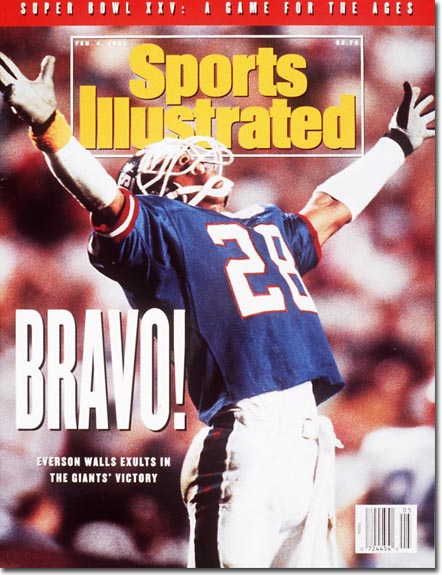
He was forever immortalized on the cover of Sports Illustrated after that game.

Super Bowl XXV Cover Pic of Everson Walls

Two weeks ago, Everson Walls was inducted into the Grambling Hall of Fame.  In recent years this consummate teammate made headlines by donating a kidney to former Cowboy Ron Springs in a gesture that says more about the man than his playing ability. He is an excellent ambassador to the game of football, signing autographs and constantly meets and communicates with fans through social media and Cowboys engagements. However it was his exploits as one of “Thurman’s Thieves” that made it all possible.

Please lend your thoughts as well by writing in to the Pro Football Hall of Fame at the address below. Please be respectful and positively lend your voice:

Please write & nominate #24 Everson Walls
Send letters to:
Pro Football Hall of Fame
Attention Senior Selection Committee
2121 George Halas Dr NW, Canton, 
OH 44708

For induction into the Pro Football Hall of Fame, I present to you Everson Walls

Coaches and players from the past advocated for on Taylor Blitz Times in order:

Robert Brazile 2011 (inducted 2018)

Ran into Robert Brazile after the Gold Jacket Dinner. Great time.


Kevin Greene 2011 (inducted 2016)

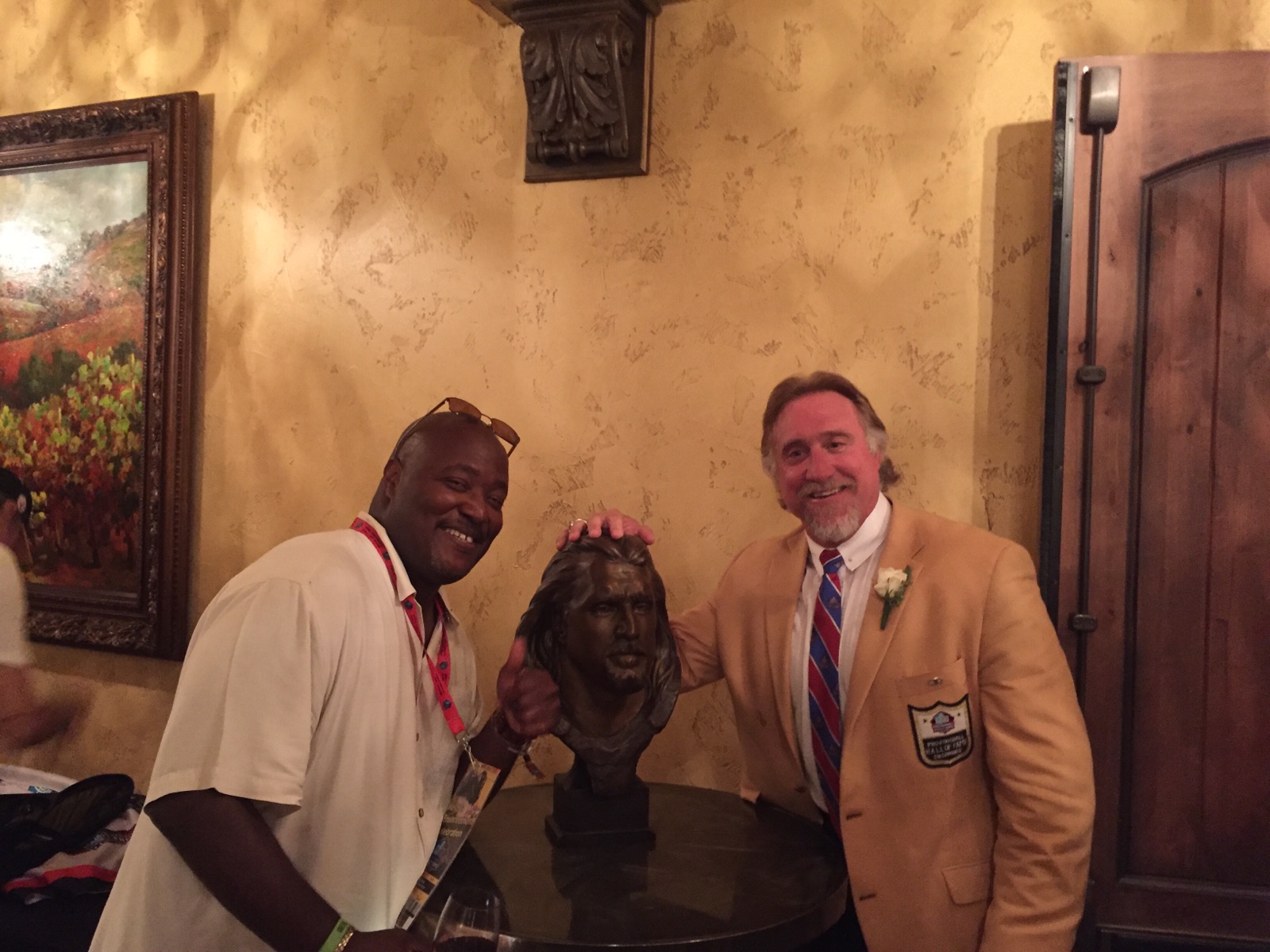
With Kevin Greene after the Induction ceremony.


Sterling Sharpe 2011 (induction Aug. 2025

Terrell Davis 2011 (inducted 2017)

Jerry Kramer 2011 (inducted 2018)

“Hey big guy!” The laughs at the Hall of Fame party were priceless.


Everson Walls 2011

Randy Moss 2011 (inducted 2018)

Cris Carter 2011 (inducted 2013)

Tom Flores 2012 (inducted 2021)

Lester Hayes 2012

Chuck Foreman 2012

Edgerrin James 2013 (inducted 2020)

Andre Reed 2013 (inducted 2014) 

Roger Craig 2013

Corey Dillon 2014

Ken Riley 2015 (inducted 2023)

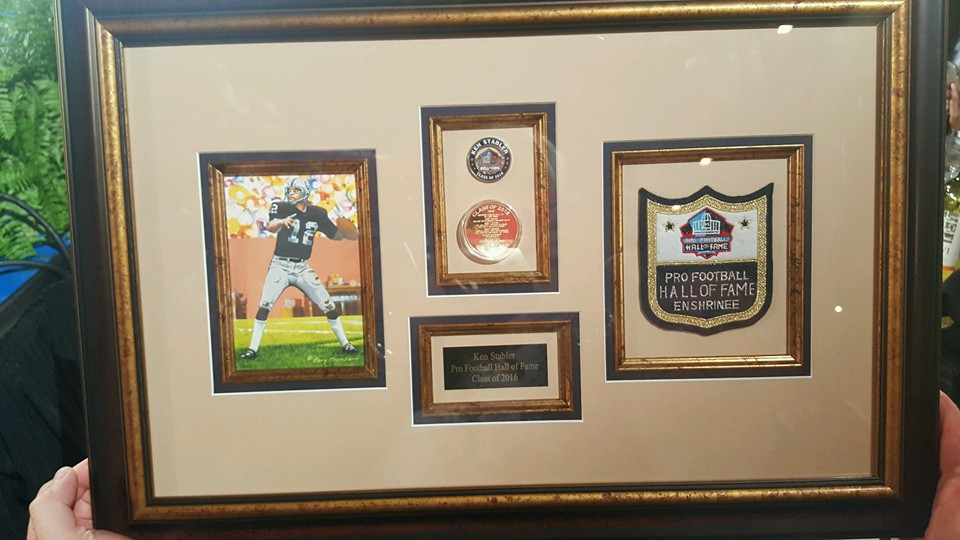
Ken Stabler 2015 (inducted 2016)

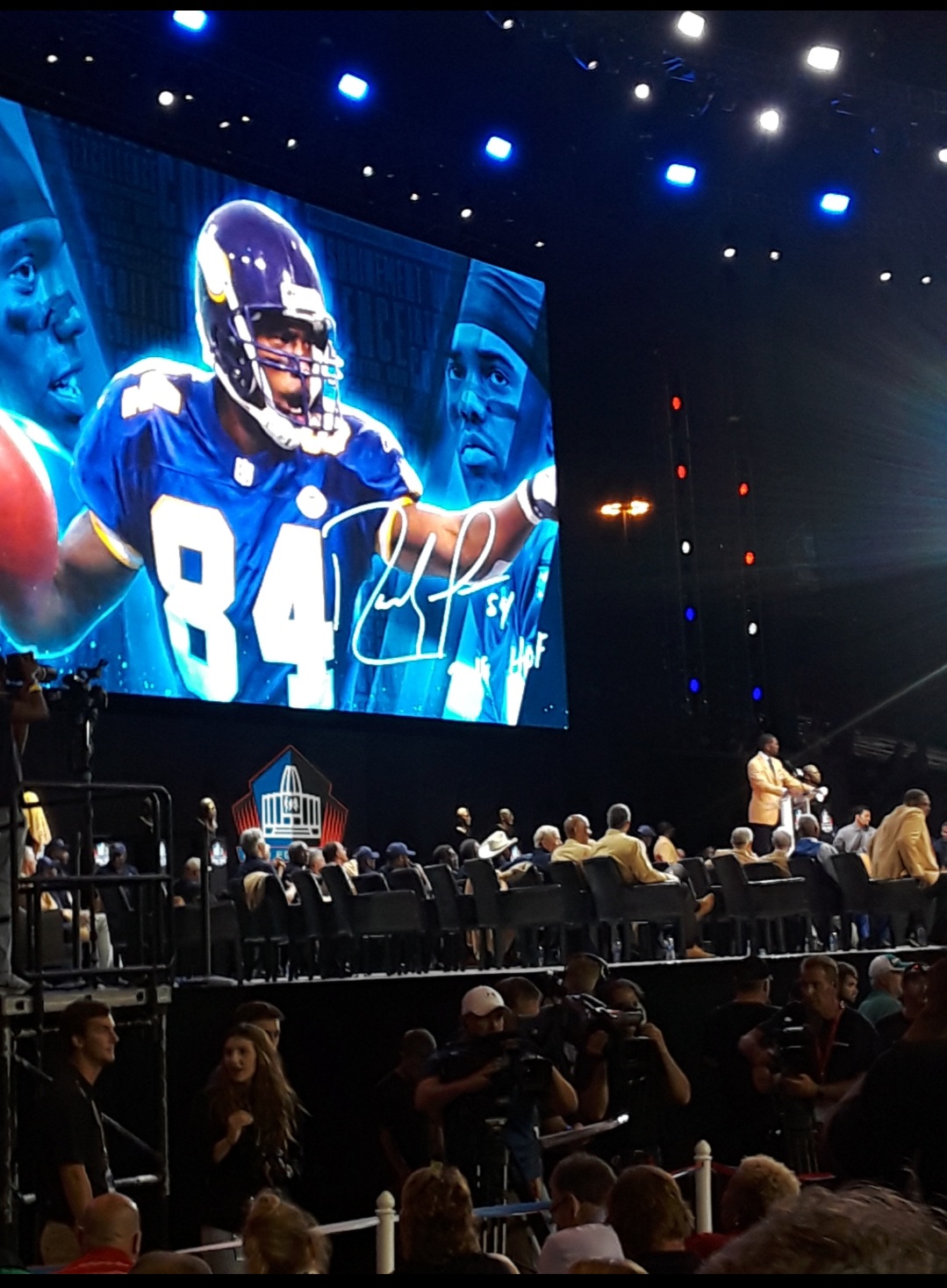
Drew Pearson 2016 (inducted 2021) 

Cliff Branch 2016 (inducted 2022)

Todd Christensen 2017

Hardy Nickerson 2020

Wilber Marshall 2024

Terrell Davis Belongs In The Hall of Fame


Terrell Davis in Super Bowl XXXII

When you think back to the Denver Broncos of the late 90s, Terrell Davis is usually the first player you think of.  He brought an NFC toughness to the AFC in terms of running the football.

You have to remember that the NFC was in the midst of a 13 game winning streak before the Broncos broke through with their win in Super Bowl XXXII.  The AFC had been filled with primarily scat backs and finesse runners when Davis was drafted in the 6th round of the 1995 draft.  He ran with power between the tackles and had the speed to pull away once he made his upfield cut.

For four years he was one of the best runners in football. An all time great until a knee injury in ’99 derailed a promising career.  Just like Gale Sayers he was a whirlwind of production before that injury so why should he be denied Hall of Fame consideration??

In 1995, Davis became the lowest draft pick ever to rush for 1,000 yards when he bolted for 1,117 on a Denver team that was retooling itself. Coach Shanahan had just come over from the World Champion 49ers and combined a single back set and merged it with a version of the “west coast” offense. Davis was an affective runner in that system but it was once the team moved to an offset I formation with the addition of FB Howard Griffith in ’96 did Davis’ production reach the stratosphere.

It was the ’96 season that Davis wrested the mantle of best power back from a fading Emmitt Smith with a 1,538 yard, 13TD rushing performance. If we add in his receiving totals he had 1848 all purpose yards and 15 total touchdowns. Yet despite the 13-3 record, his ’96 Broncos were upset in the divisional round of the playoffs by Jacksonville 30-27.

Davis in the ’97 AFC Divisional Playoff win over KC 13-10

Davis’ numbers would have been higher for the ’96 season yet Shanahan rested he and most of the starters after jumping out to an 11-1 start.  The team rusted before the playoffs and Davis lost 3 second halves where he could have piled up more yards and should have been an 1,800 yard rusher.

The ’97 season saw the Broncos move to a 12-4 record yet were cast in the roll of wildcard by virtue of Kansas City’s 13-3 record. Again Davis was the driving force running for 1,750 yards and 15TDs leading the AFC in rushing and the NFL in touchdowns. He then ran for over 100 yards against the Jaguars, Chiefs, and Steelers enroute to Super Bowl XXXII. Now their physical running game would be put to the test against the defending Super Bowl champion Green Bay Packers and their mammoth defensive line.

In one of the best performances in Super Bowl history, Davis ran for 157 yards and a Super Bowl record 3 touchdowns propelling the Broncos to a 31-24  upset win.  Davis had a superb performance and may have broken Tim Smith’s record of 204 yards had he not missed the 2nd quarter with a migraine headache. In the game he punished the Green Bay defense with physical, tackle breaking runs that broke the former world champions down. He was MVP of the NFL’s signature game in his own hometown what more could be on the horizon??

One year after the sporting press celebrated Barry Sanders rushing for 2,053 yards in ’97, there was speculation that Terrell Davis could repeat that feat in 1998. Terrell Davis and his Broncos ran out to a 13-0 record and threatened the ’72 Dolphins unbeaten streak but an upset by the Giants then the Dolphins relegated the AFC West champions to a 14-2 record.  Davis ran for over 170 yards in the final game of the season to finish with 2,008 yards, 23 TDs and he was voted NFL Most Valuable Player in the process.

His total was even more impressive than Eric Dickerson’s, Barry Sanders or O.J. Simpson’s total for one reason: his 2,000 yard season came with his sitting out over 8 quarters in blowout wins. With his average per game divided out over a 14 game season his numbers project out to 2,294 yards and 26 TDs. Had that happened he would have broken Emmitt Smith’s record of 25 TDs and Marshall Faulk never would have had the record in 2000. Keep in mind he attained all this while playing for a defending Super Bowl champion with a bullseye on their back for the entire season. Something the other 2,000 yard rushers didn’t have to contend with.

After leading the Broncos to another Super Bowl triumph in the XXXIIIrd edition, a 34-19 win over the Falcons. Davis was on pace for a record setting career yet in the 3rd game of the ’99 season he tore ligaments in his knee making a tackle against the Jets and was never the same player after a year and a half off to recover. He retired after the 2001 season with 7,607 yards rushing and 60TDs in 7 seasons.

Now it’s at this point where you have to realize the greatness of Davis. At the current rate he was running the ball at the time of his injury, he was on pace to gain 12,824 yards in only EIGHT years! Only comparison to that  is Jim Brown who ran for 12,312 in 9 years. This was a north south runner who didn’t rely on moves to gain his yards so its very likely that he could have maintained his pace. His 56 touchdown total swells out past 110 given he would have made it injury free for those same 8 years. Thats production..

Here is another talent who didn’t play for a long career but as a comet burned bright as any ever seen in the football heavens. He was the power and impetus for a two time league champion, a celebrated 2,000 yard rusher, a Super Bowl MVP, and NFL MVP. What more could he have done? Those 3 years (96-98) he was an All Pro and Pro Bowl performer.

Just like Gale Sayers his career was cut short and he was never the same yet Davis deserves the same Hall of Fame distinction. He wasn’t as flashy as Sayers but he was more productive with a bullseye on his back and powered a league champion. That has to be worth something more than distinction. He was a great player and ambassador of the game. Never an off field issue uttered with his name and came off as an affable likeable player and person. He has to be considered the top Bronco running back of all time and that includes Hall of Famer Floyd Little who came three decades earlier.

Yet thats another debate for a different day…For induction into the Pro Football Hall of Fame I present to you: Terrell Davis

New York Giants Powerful 1990 Champion Stronger Than 1986

New York Giants Super Bowl XXV Ring

In NFL History, there are some stories of some of football’s champions yet some are overshadowed by more romanticized teams. Yet if it’s true that the measure of a team is in who they beat to obtain a championship, where does that put the 1990 New York Giants??

They stopped the San Francisco 49ers bid for a three-peat. Then stopped the best of the Buffalo Bills 4 straight AFC Championship teams. They weren’t given their due by the sporting press in our estimation and their Super Bowl victory hinged on Scott Norwood missing a 47 yard field goal as time expired.  We say “So what?”

Its like this: Super Bowl XXIV had the widest margin of victory in Jan. 1990, when San Francisco defeated the Denver Broncos 55-10. The following year, these New York Giants won by the closest margin defeating the Buffalo Bills in the aforementioned Silver Anniversary 25th edition 20-19. What was the difference?? Nothing.  The Giants received the same amount of money and ring expense as the 49ers the year before.

However when the 80’s Giants are remembered this team is always thought of as the weaker of their 2 championship teams during that era. There is an air of romanticism around the ’86 team becoming Super Bowl Champions, but we at Taylor Blitz Times, believe the teams defeated give a legitimate case for the ’90 version being the stronger team.

In 1986 the Chicago Bears set the record for fewest points in a season with 187. They were the #1 defense in all of pro football and the Giants were #2. In the ’85 playoffs, the Giants were shut out 21-0 by the Bears and by luck (Charles Martin slamming Jim McMahon) didn’t play them in ’86. Then for the first time ever Pete Rozelle came up with the first Monday Night series where the Bears (’85 Champions) took on the Giants (’86 Champions).

The Bears blew them out 34-19 and the Giants only scored once on offense in that game. So it’s a legitimate debate that had they played the Bears in the ’86  playoffs they would have lost. Yet the ’90 version had to march through TWO champions to get their ring. Take a look

SUPER BOWL XXV CHAMPION 1990 NEW YORK GIANTS borrowed from upcoming book: Ring of Champions

The Ghost of Vince Lombardi

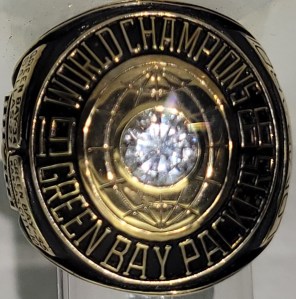
Super Bowl II Ring

The rich football history of the Green Bay Packers has been well chronicled. Yet there is an untold story that has been kept from the masses of NFL fans. Unlike the NBA, winning 3 NFL championships in a row has proven to be nearly impossible.  Is it the sheer breadth of winning in a sport where injuries are super prevalent, or is there something else more mystical?? Would you believe there is an ornery angel overseeing that no one equals Green Bay’s feat of winning 3 straight??  Its nearly happened on 5 different occasions yet this ghost isn’t above practical jokes or assisting with funny bounces of the ball to give another team angst when the goal is in sight. Here is a story the NFL, NFL Films, ESPN, nor NFL Network will tell you.  *DISCLAIMER*  Some of what you see may not be suitable for non Packer’s fans. Take a look

SUPER BOWL II CHAMPION 1967 GREEN BAY PACKERS  <———————-CLICK LINK

Green Bay Receives Super Bowl XLV Championship Ring

Super Bowl XLV Packer’s Championship Ring

Well the day finally arrived and the Green Bay Packers had their Super Bowl Ring ceremony.  Each player, coach, staff assistant and player personnel members all received their rings.  Its a beautiful ring and for the 4th time Jostens was the jeweler selected to commemorate the championship with a ring design.  Its a beautiful ring and I love the 4 footballs on top signifying the 4 Super Bowl titles.  One side has the block Packers logo and a Super Bowl trophy where the other side has a nice carved out Lambeau Field and the player /coaches name under two rows of diamonds.  This design is easy on the eye and very modern and wearable.

This way the achievement itself seems to be focused on.  It was customary to have the score of the game and that of the conference championship on most rings of the past. Lets take a look at a few of the other Packers’ rings of the past.  So now Coach McCarthy,  Aaron Rodgers, Charles Woodson, Clay Matthews III, , company have championship hardware to go along with Holmgren, Favre, Reggie White, LeRoy Butler, Antonio Freeman of the new guard.  The old guard? Yes they get to have their names up there with Lombardi, Starr, Kramer, Hornung, Davis, Adderley, and Nitschke.  It would have been nice to see the total of NFL Championships on the ring to offset when short sighted fans talk of Sixburgh, or the 5 won by Dallas and San Francisco. That they are all holding less than half of what the Packers have won. Congrats Green Bay.

1965 NFL Championship Ring

Lets take a look at some of the other Packers rings…How about the 1965 NFL Championship Ring.  The Packers beat the defending champion Browns in Jim Brown’s last football game and set sail on the monumental effort of winning 3 championships in a row. The field was muddy and Jim Taylor played with a heavily taped thigh for a pulled hamstring. Lambeau was a quagmire as the Packer slipped past the Browns 23-12.

In the 2 seasons before this one, the Packers had lost star halfback Paul Hornung and watched their hated rival Chicago Bears win in 1963 and the Cleveland Browns in 1964. Hornung was suspended in ’63 and was rounding into shape in ’64.  Then Lombardi started to rebuild some pieces of his defense during these years and in 1965 sicc’d them on the unsuspecting NFL.

Then you have the ring for winning the first Super Bowl. War of the Worlds. First they beat the upstart Dallas Cowboys 34-27 in one of the ’60s greatest games.  Bart Starr threw for 4 touchdown passes and the game came down to the 2 yard line in the old Cotton Bowl.  A goal line stand held the Cowboys and on third down Don Meredith rolled right. A missed block let a blitzing Dave Robinson free to hit Meredith just as he threw.  The pass was picked off by S Tom Brown in the endzone preserving the win.
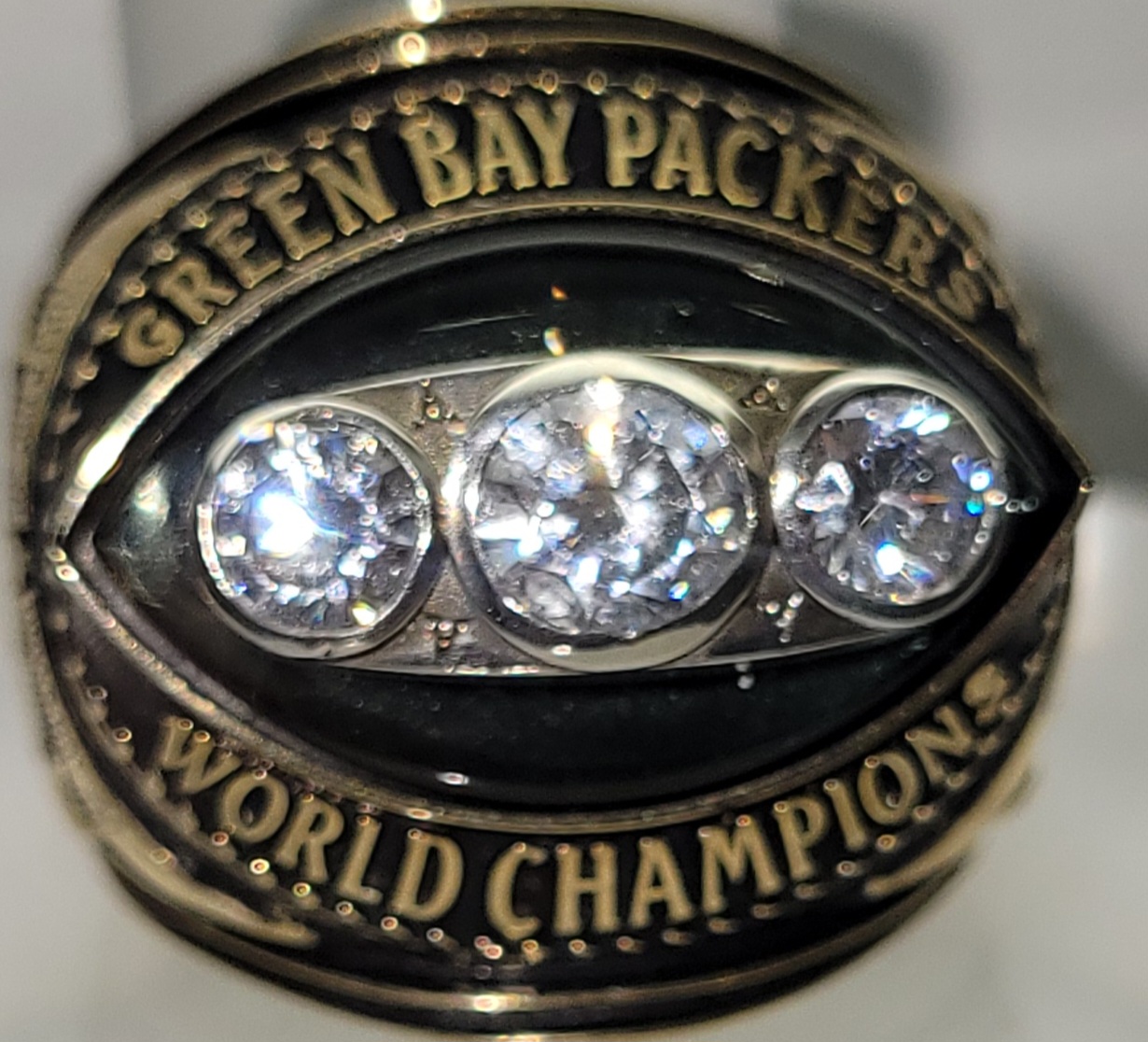
Off to Los Angeles and the first Super Bowl where the Packers beat the AFL’s Kansas City Chiefs 35-10.  A tougher game than many anticipated until Willie Wood intercepted a Len Dawson pass and took it back 50 yards.  Packers score a few plays later to go up 21-10 and it was accademic from there. The singular diamond signfies the Packers status as number one in ALL of professional football.

Then came the game that has been etched into the minds of football fans everywhere. The Ice Bowl.  Played in -15 degree weather and a windchill at -60, the Packers beat the Cowboys 21-17 on Bart Starr’s last second touchdown plunge to give the Packers their third straight championship. This was the last time this has been accomplished.  The only other time was the Packers from 1929-1931.
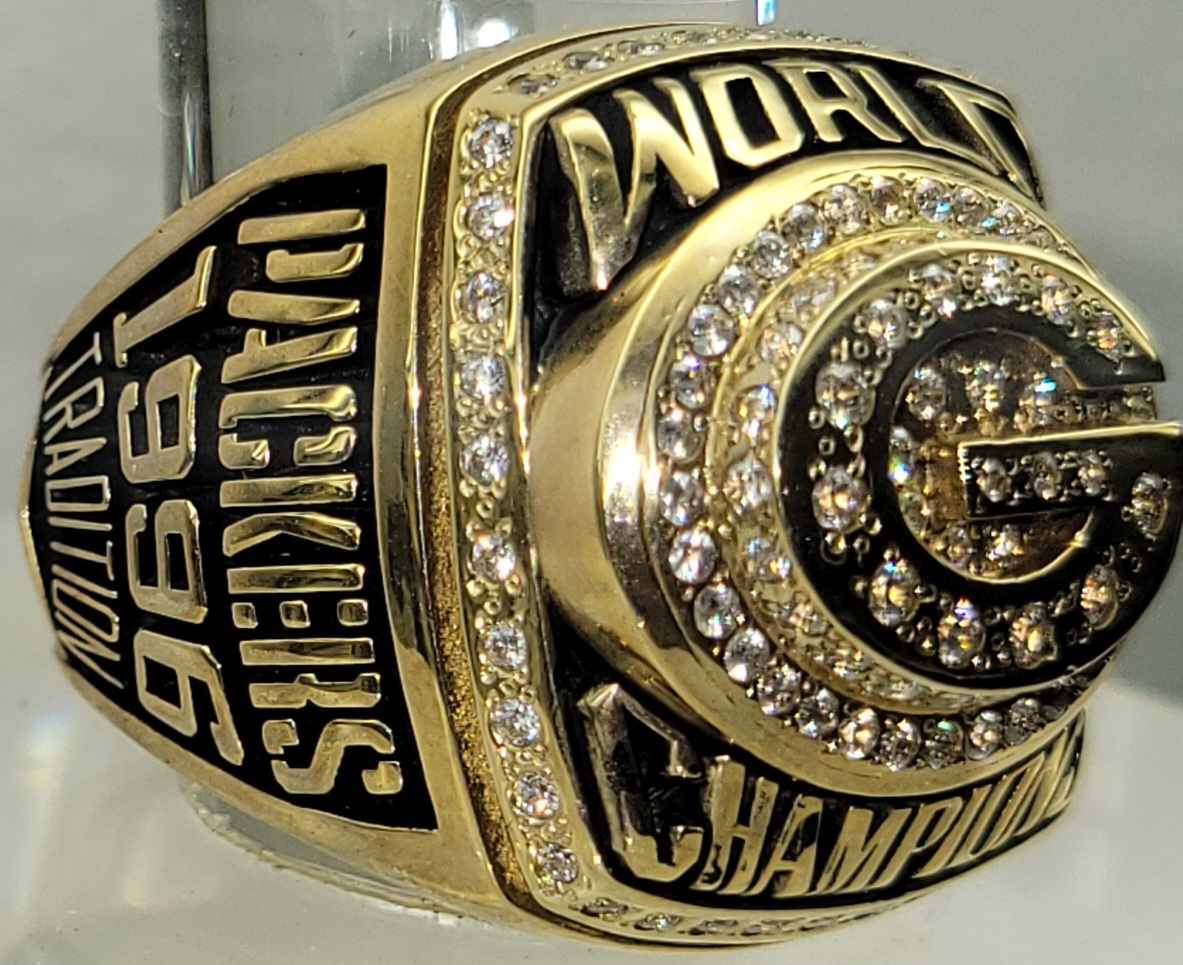
The best record in football belonged to the 13-1 Oakland Raiders of the AFL but they weren’t championship ready for the  9-4-1 Packers.  Lombardi’s final champion was devoid of Paul Hornung & Jim Taylor. Chuck Mercein, Donny Anderson, and Ben Wilson were the runners during the playoff run.  The Packers carried off Lombardi after a 33-14 triumph.  This ring showcases 3 very large diamonds to commemorate their achievement winning 3 in a row. No other team has won 3 straight championships since. Its chronicled in my “Ghost of Lombardi” story the quirky, bizarre circumstances that halted 5 others trying to attempt it.

Then there was Super Bowl XXXI. Can’t you still picture Reggie White taking off with the Super Bowl trophy? One of the lasting images was the clock clicking down and that blizzard of confetti for the first time at the Super Bowl. Packer coaches and players hugging each other and you could hardly see them.  Packers 35-21 over the New England Patriots.

A close game that was threatening to be closer until Desmond Howard took the kickoff back 99 yards to demoralize the Patriots.  After that, the Minister of Defense recorded 3 sacks against a despearate Patriot’s team forced to pass. White delivered in his quest to bring Green Bay a championship after signing as a free agent in 1993. In the years prior, it was discussed that black players wouldnt want to go to Green Bay. His signing was not only a coup, don’t forget Keith Jackson, Eugene Robinson, Ron Cox, Andre Rison and Desmond Howard all came in the latter two years to dispell that notion.  Then they went on to bring home the Lombardi after a 29 year hiatus.

1962 NFL Championship Ring

For good measure lets throw in a ring from the 1962 NFL Champions and the middle of a first chance at Lombardi winning a third in a row. Alas, Hornung was suspended for gambling in 1963 and the team would have to rebuild before they put themselves in position to go for it later in the decade.

Yet this is just a tip of the iceberg for the team with the richest heritage in the NFL. THIRTEEN NFL CHAMPIONSHIPS! Most teams if you add their championships to their rivals wouldn’t come close to that staggering number.  Then the 2011 edition in most pundits expert opinion are favored to return to the Super Bowl.  Not like most defending champions being afforded lip service, I mean this team won the Super Bowl with a second string football team.  How could this team not be picked to win it all returning those 16 players on injured reserve and then a good draft?? Well we’ll have time to get into all of that. This is a celebration of their championship heritage and the latest bauble to commemorate it.